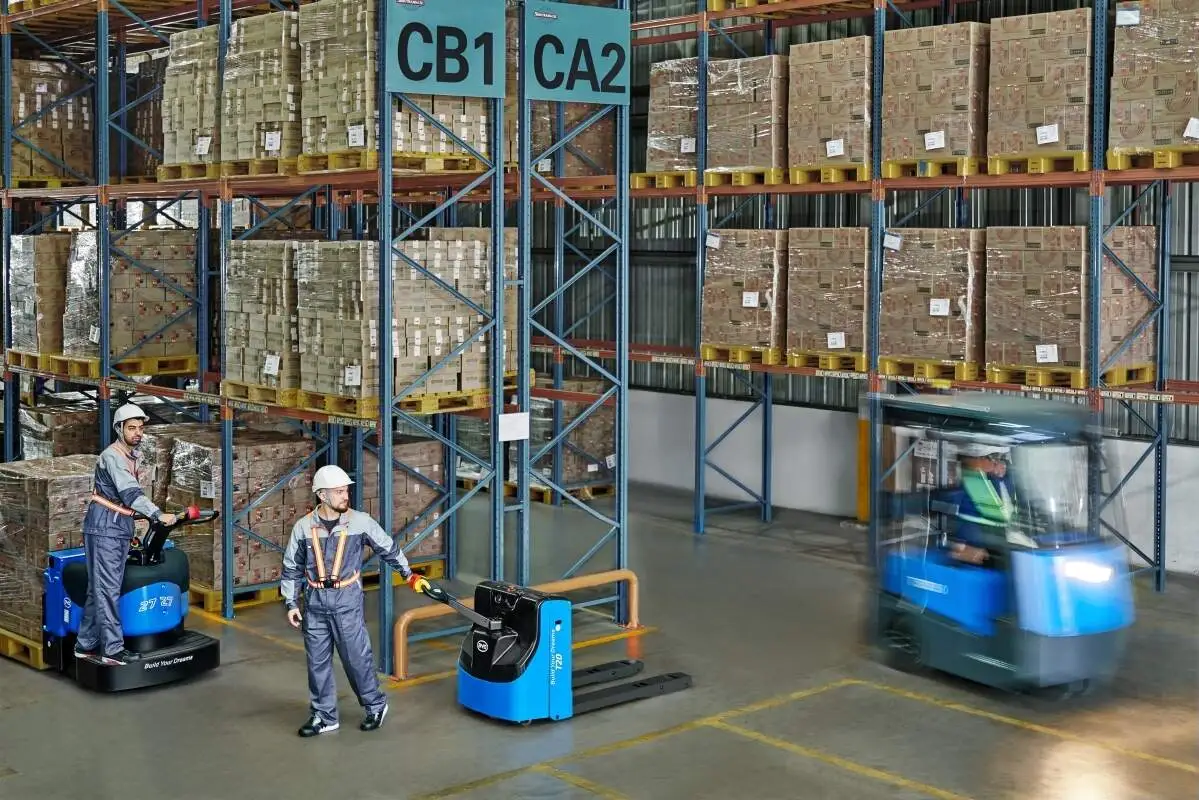
In warehouses, distribution centers, and industrial facilities, forklifts are essential tools for moving heavy and bulky cargo efficiently. However, when handling oversized items—such as large wooden crates, long metal pipes, or stacked palletized goods that exceed standard dimensions—standard forklift load backrests may not provide sufficient support. This is where forklift load backrest extensions come into play, offering a practical solution to adapt to oversized cargo needs while maintaining safety and operational efficiency.
A forklift load backrest extension is an attachment designed to extend the height and width of a forklift’s existing load backrest. Its primary function is to create a larger barrier that prevents cargo from tipping backward off the forks during lifting, transporting, or maneuvering. Unlike standard backrests, which are sized for typical pallet loads, these extensions can be adjusted or customized to accommodate taller, wider, or longer items that would otherwise be unstable on a standard forklift setup.
Oversized cargo poses unique challenges in material handling. Without proper support, tall loads can shift or topple, leading to damaged goods, equipment damage, or even workplace injuries. Load backrest extensions address these risks by providing additional vertical and horizontal support. For example, when transporting long pipes that extend beyond the fork length, an extension can help keep the cargo aligned and prevent it from swinging or sliding backward. Similarly, for stacked boxes that rise above the standard backrest height, the extension acts as a physical barrier to maintain load integrity.
When using a forklift load backrest extension, proper installation and setup are critical. First, operators must ensure the extension is compatible with their forklift model, as attachments are designed to fit specific lift truck specifications. The extension should be securely mounted to the existing backrest using appropriate hardware, with all bolts and fasteners tightened to recommended torque levels. It’s also important to adjust the extension’s height and width to match the dimensions of the cargo being handled—too short or narrow an extension won’t provide adequate support, while an overly large one may impede operator visibility or maneuverability.
Safety should always be the top priority when operating a forklift with a load backrest extension. Operators must receive proper training on how to use the attachment, including how to secure cargo in conjunction with the extension. Before each use, a pre-operation inspection should be conducted to check for any signs of wear or damage to the extension, such as bent frames or loose components. During operation, operators should maintain slower speeds when carrying oversized loads, avoid sharp turns that could cause cargo shift, and ensure the load is evenly distributed on the forks to maximize stability.
In addition to safety benefits, forklift load backrest extensions can also improve operational efficiency. By enabling safe handling of oversized cargo without the need for specialized equipment or multiple trips, facilities can streamline their material handling processes. This reduces downtime, lowers labor costs, and ensures that large items can be moved through the warehouse or shipping area as smoothly as standard-sized cargo.
Overall, forklift load backrest extensions are a versatile and essential attachment for any facility that regularly handles oversized cargo. By providing the necessary support to keep large loads stable during transport, they help mitigate risks, protect assets, and enhance overall workplace safety. When used correctly and maintained properly, these extensions are a simple yet effective solution to adapt forklifts to the demands of modern material handling operations.