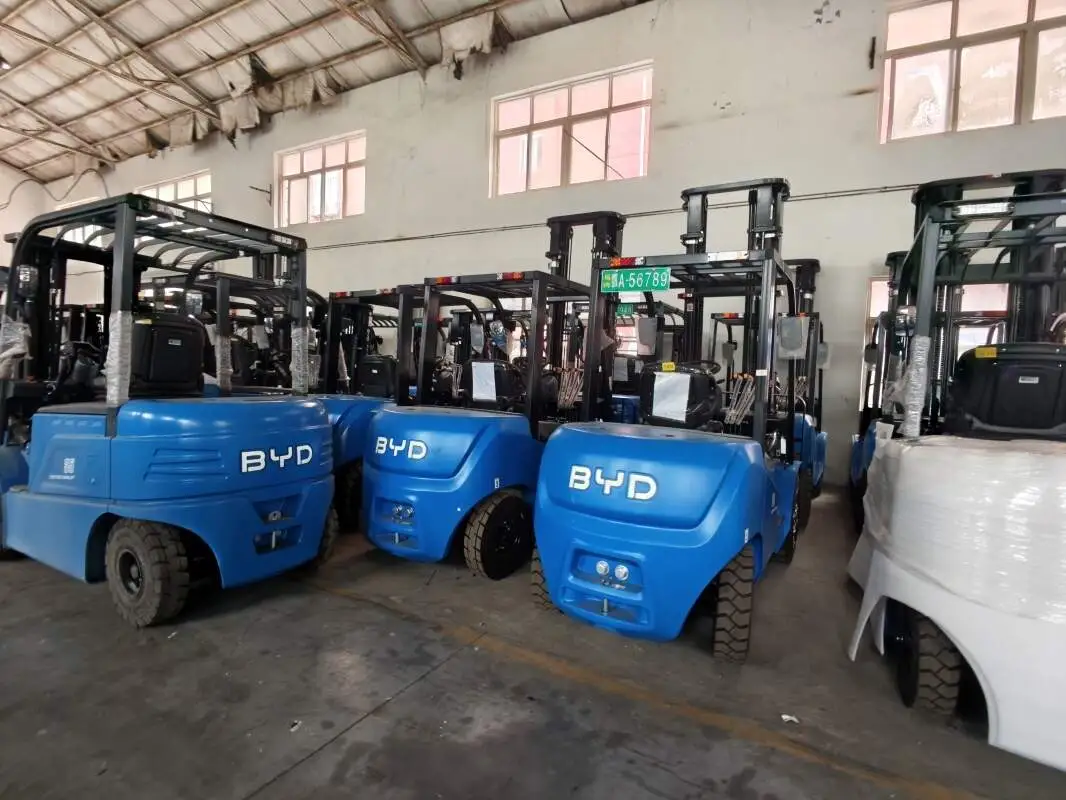
When it comes to equipping warehouses, distribution centers, or manufacturing facilities with material handling equipment, businesses often face a critical decision: investing in a new forklift or opting for a pre-owned unit. This choice carries significant implications for short-term budgets and long-term operational efficiency, making a thorough comparative analysis essential.
Cost is often the first factor businesses evaluate. New forklifts come with a higher upfront price tag, reflecting the latest technology, uncompromised condition, and manufacturer-backed warranties. These warranties typically cover parts and labor for a set period, reducing immediate maintenance burdens. In contrast, pre-owned forklifts present a lower initial investment, which can be appealing for small businesses or those working within tight budgets. However, buyers must account for potential hidden costs, including unexpected repairs, replacement of worn components, and reduced fuel efficiency compared to newer models.
Reliability and maintenance requirements further distinguish the two options. New forklifts incorporate modern engineering and quality control standards, resulting in fewer breakdowns and consistent performance. They also often feature advanced safety features that enhance workplace security. Pre-owned forklifts, on the other hand, vary in reliability based on their usage history and prior maintenance. A well-maintained pre-owned unit can deliver consistent service, but without detailed service records, businesses risk investing in equipment that requires frequent, costly repairs. Conducting a pre-purchase inspection by a qualified technician is a critical step for anyone considering a used forklift.
Lifespan and return on investment (ROI) are key long-term considerations. New forklifts generally have a longer operational lifespan, often lasting 10 years or more with proper maintenance. While their depreciation rate is steeper in the first few years, they retain value better over time if cared for appropriately. Pre-owned forklifts have already undergone significant depreciation, meaning their value holds more steadily. However, their remaining lifespan depends heavily on how they were used in their previous role. For businesses with short-term projects or fluctuating demand, a pre-owned forklift can deliver solid ROI without tying up capital for an extended period.
Ultimately, the decision between a new and pre-owned forklift hinges on a business’s specific needs. Companies with long-term, high-volume material handling demands may find the reliability and longevity of a new forklift to be a cost-effective choice. Conversely, businesses with limited budgets, seasonal operations, or temporary requirements can benefit from the lower upfront cost of a pre-owned unit. By weighing factors like initial cost, maintenance needs, lifespan, and operational demands, businesses can make a strategic investment that aligns with their financial and operational goals.