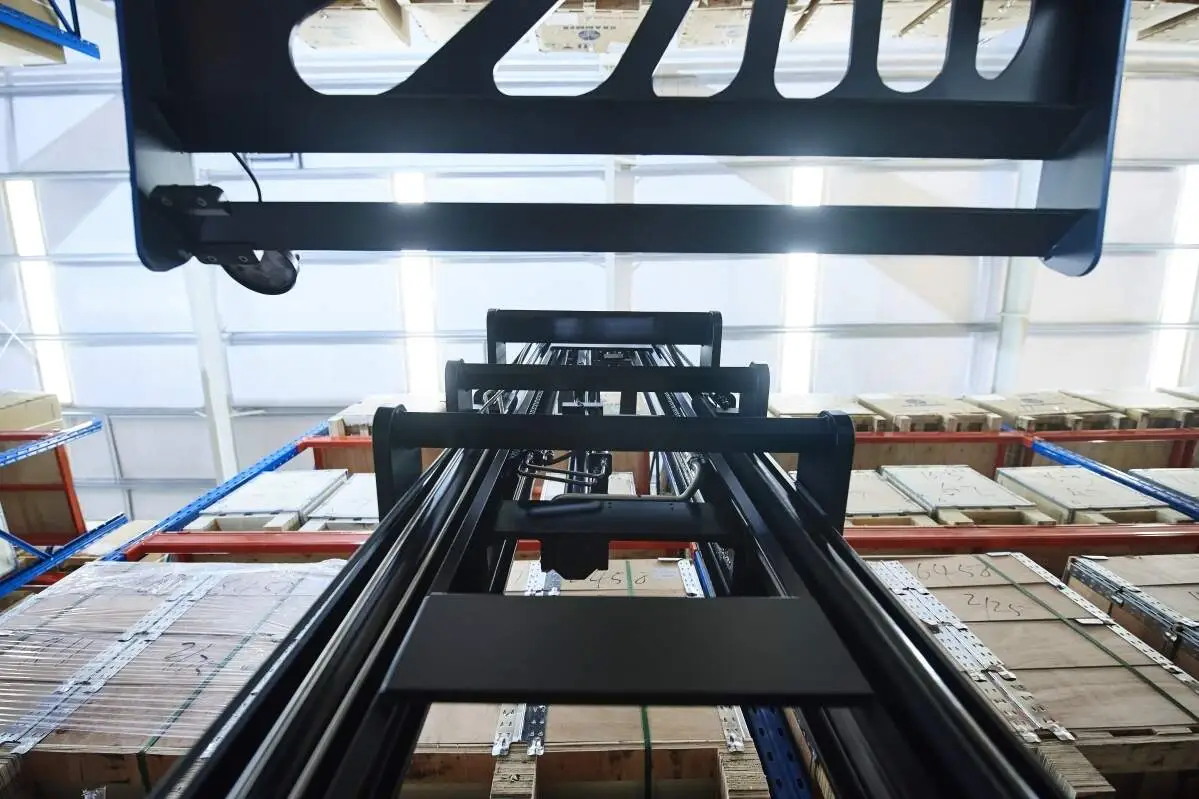
Operating forklifts in cold-storage environments presents unique challenges that demand targeted operational adjustments to maintain safety, efficiency, and equipment longevity. Low temperatures, high humidity, and slippery surfaces can impair battery function, traction, hydraulic systems, and operator performance, making proactive adjustments essential.
Battery performance is one of the most impacted areas in cold settings, with sub-zero temperatures reducing capacity by 20-30%. To mitigate this, pre-warm batteries in a temperature-controlled area before deployment, as this helps restore nominal power output. Shorten charging intervals to compensate for faster energy depletion, and use insulated battery covers to retain heat during operation. Avoid leaving batteries exposed to cold when not in use, as prolonged exposure can cause permanent cell damage.
Traction and stability adjustments are critical for preventing skidding on icy floors. Equip forklifts with low-temperature, non-slip tires designed to maintain grip on frozen surfaces. Reduce maximum travel speed by 30-40% to enhance control, and avoid sudden turns or stops that can lead to loss of stability. Adjust load weights slightly below the forklift’s rated capacity, as slippery surfaces reduce the vehicle’s ability to handle heavy loads safely.
Hydraulic systems require special attention in cold environments, as low temperatures thicken fluid and slow response times. Switch to hydraulic fluids formulated for cold conditions, with low viscosity ratings to ensure smooth flow even at sub-zero temperatures. Pre-warm the system by running the forklift at idle for 5-10 minutes before heavy lifting, which helps circulate fluid and restore normal operation. Regularly inspect lines and seals for cracks or leaks, as cold temperatures make rubber components brittle and prone to failure.
Operator safety and comfort directly impact performance in cold-storage settings. Provide insulated, ergonomic gear that allows full range of motion, such as waterproof gloves and thermal jackets. Schedule shorter shift intervals or regular warm-up breaks to prevent hypothermia and maintain alertness. Ensure forklift cabins have functional heating systems, and keep windshields clear of frost using approved de-icing solutions to preserve visibility.
Finally, increase the frequency of pre- and post-operation inspections to catch issues early. Focus on brake pad wear, tire pressure (which decreases in cold temperatures), and the functionality of lights and alarms. Keep detailed records of operational hours, battery performance, and maintenance tasks to identify patterns and address potential problems before they escalate. By implementing these adjustments, businesses can ensure safe, efficient forklift operation in cold-storage environments, reducing downtime and extending equipment lifespan.