

2026-08-06

Site Safety Measures To Separate Forklift Operating Zones And Pedestrian Routes

forklift operations in industrial sites and warehouses present inherent risks when operating zones overlap with pedestrian routes. Without clear separation strategies, the potential for collisions, injuries, or even fatalities increases significantly. Implementing targeted site safety measures to distinguish forklift operating zones from pedestrian paths is critical to safeguarding all workers and maintaining a compliant, efficient workplace.

Physical barriers are the most reliable way to prevent unintended access between forklift zones and pedestrian routes. Options include sturdy metal guardrails, flexible bollards, and fixed concrete barriers, strategically placed around high-traffic areas such as loading docks, storage aisles, and intersection points. These barriers should be tall enough to be visible to both forklift operators and pedestrians, and positioned to avoid creating blind spots. For areas where temporary access is needed, removable barriers or chain-link fences can be used, ensuring they are properly secured when not in use to avoid accidental breaches.

Clear visual signage and markings reinforce physical barriers and guide movement for both operators and pedestrians. Bright, high-contrast floor markings are essential: yellow lines typically define forklift operating zones, while white or green lines mark dedicated pedestrian routes. Signs should be placed at entry points, intersections, and blind corners, displaying clear messages such as "Forklift Zone – No Pedestrians" or "Pedestrian Crossing – Yield to Forklifts." Reflective markings are particularly important in low-light areas, ensuring visibility during early mornings, late shifts, or in dimly lit warehouses where visibility is compromised.

Establishing formal traffic management protocols helps reduce conflicts between forklifts and pedestrians. This includes setting speed limits for forklifts in areas near pedestrian routes, usually between 5 and 10 mph depending on the site layout and traffic volume. Designating one-way traffic lanes for forklifts and separate crossing points for pedestrians, such as raised walkways or marked crosswalks with stop signs, minimizes direct interaction. Additionally, scheduling non-peak times for pedestrian access to high-risk areas, like during inventory restocking or equipment maintenance, can further reduce exposure to hazards.

Comprehensive training and awareness programs are vital to ensuring all workers understand and follow safety protocols. Forklift operators should receive regular training on recognizing pedestrian routes, using horn signals at intersections and blind spots, and maintaining a safe distance from foot traffic. Pedestrians, on the other hand, should be educated on avoiding forklift zones unless authorized, using designated crossing points, and staying alert to the sound of approaching forklifts. Regular safety drills and toolbox talks can reinforce these practices, ensuring all workers remain aware of potential risks and how to mitigate them in daily operations.

Ongoing monitoring and maintenance are key to sustaining effective safety measures. Regular inspections of physical barriers, signage, and floor markings should be conducted to identify damage or wear. Any broken guardrails, faded markings, or missing signs should be repaired or replaced promptly to avoid gaps in protection. Site managers should also gather feedback from workers to identify areas where separation measures can be improved, such as adding additional crossing points or adjusting barrier placement based on real-time traffic patterns and operational needs.

By combining physical barriers, clear visual cues, structured traffic protocols, ongoing training, and regular maintenance, sites can effectively separate forklift operating zones from pedestrian routes. These measures not only reduce the risk of accidents but also foster a culture of safety where all workers feel protected and confident in their daily tasks, supporting both compliance and operational efficiency.
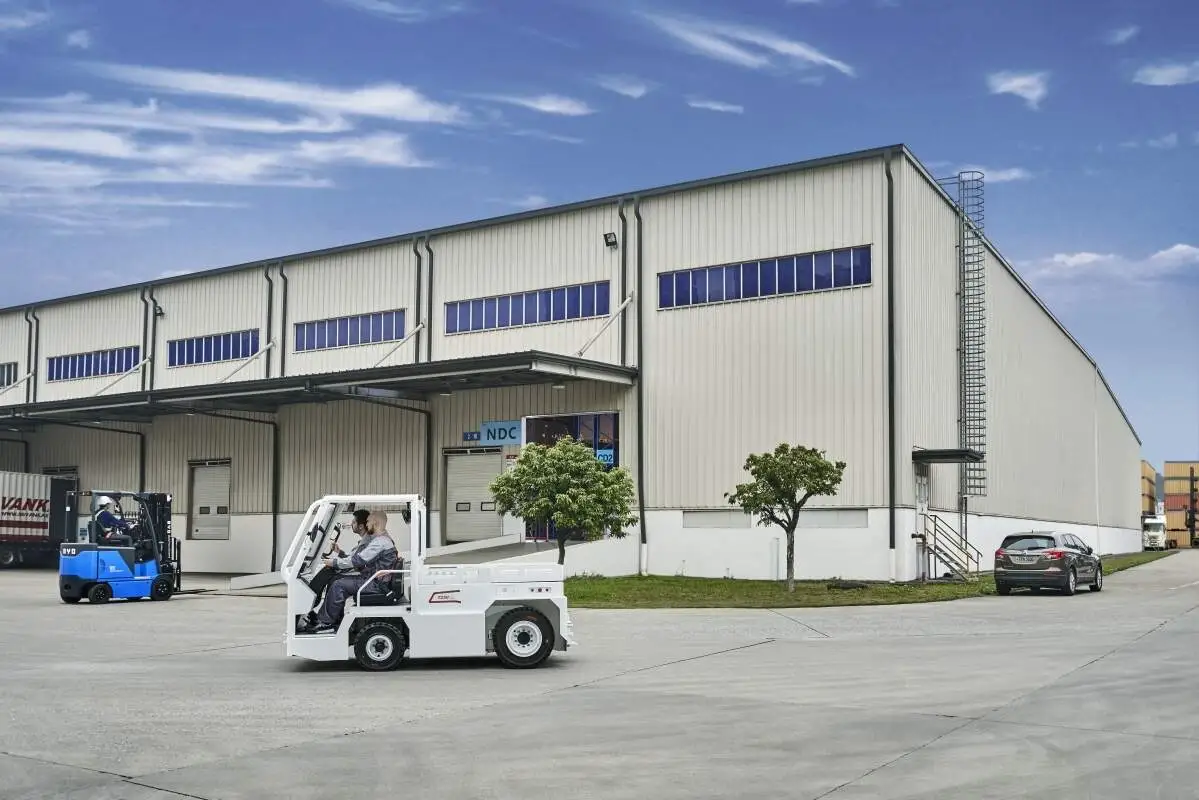


Site Safety Measures To Separate Forklift Operating Zones And Pedestrian Routes(Image1)


Telephone

WeChat

Whatsapp

E-mail address

We use cookie to improve your online experience. By continuing to browse this website, you agree to our use of cookie.

Cookies

Please read our Terms and Conditions and this Privacy & Cookie Policy before accessing or using our Services. If you cannot agree with this Policy or the Terms and Conditions, please do not access or use our Services.
If you are located within the European Economic Area (EEA), the United Kingdom or Switzerland (collectively “European Countries”), all processing of your personal data shall be governed by the General Data Protection Regulation (GDPR). If you are located in a jurisdiction outside European Countries, by using our Services, you accept the Terms and Conditions and accept our privacy practices described in this Policy.
As a resident of European Countries, you hold full statutory rights under GDPR: the right to access, rectify and erase your personal data, the right to data portability, the right to object to marketing tracking, the right to withdraw cookie consent at any time, and the right to lodge a complaint with your local data protection authority (DPA).
Your personal data collected via this website will be transferred and stored in China. We execute Standard Contractual Clauses (SCCs) approved by the European Commission to guarantee adequate data protection for European users regarding cross-border personal data transfer.
We may modify this Policy at any time. Minor adjustments will be updated with a new effective date displayed at the top of this document. If we make material changes to how we collect, use or disclose your Personal Information that limit your rights under GDPR, we will provide you with advance notice and obtain your separate explicit consent before implementing such revisions. Updated policy terms will not be retroactively applied to Personal Information collected prior to notification without your written approval.
In addition, we may provide you with real-time pop-up disclosures or supplementary information about the Personal Information handling practices of specific modules of our Services. Such notices shall supplement this Policy and offer you extra choices about how we process your Personal Information.

Cookies & Related Tracking Technologies

Cookies are small text files stored on your device when you access most websites on the internet or open certain marketing emails. For the purpose of this Policy, the term “Cookie” covers all equivalent tracking technologies with identical functions, including HTML tags, tracking pixels, web beacons, local storage and session storage.
Cookies enable our website to recognize your device and record your browsing history when you revisit our site. Typical data collected via Cookies includes your browser type, referral website address, IP address and clickstream behavior (pages viewed, links clicked).
We only automatically load Strictly Necessary Cookies upon your first site visit. All non-necessary Cookies (Functional, Performance, Targeting Cookies) will NOT be activated unless you submit your explicit, affirmative consent via our website cookie banner. You can adjust, restrict or fully withdraw your cookie preferences at any time via the fixed "Cookie Settings" button placed in our website footer, with immediate effect.
We deploy Cookies to simplify website navigation, deliver personalized user experience, supply matched industrial logistics equipment information, analyze website operation data, and deliver targeted BYD electric forklift advertisements across third-party platforms via our authorized marketing partners.
We classify Cookies into four standard categories as required by European ePrivacy regulations:
●  Strictly Necessary Cookies
●  Performance Cookies
●  Functional Cookies
●  Targeting Cookies

Detailed Introduction of Each Cookie Category

Strictly Necessary Cookies

These cookies are indispensable for basic website operation and cannot be fully disabled within our site system. They are only set in response to your voluntary service requests, such as saving your cookie privacy preferences, logging into accounts or filling in inquiry forms. You can configure your browser to block or alert you about these cookies, but core functions of the website will fail to work normally after blocking. These cookies only store temporary session data and do not record any personally identifiable information.

Functional Cookies

These cookies support enhanced personalized website functions, such as remembering your language preference, saved product browsing records and quote information. They may be set by us or trusted third-party service providers embedded on our pages. If you decline these cookies, partial or all personalized service modules cannot operate properly. Functional cookies will be automatically cleared after a maximum storage period of 12 months.

Performance Cookies

We use performance cookies (mainly from Google Analytics) to count visitor volumes and traffic sources, measure and optimize our website operating performance. These cookies help us identify the most and least popular product pages and track visitors’ browsing paths on our site. All data collected by performance cookies is fully aggregated and anonymized without linking to your individual identity, and tracking data will be retained for up to 26 months. If you reject these cookies, we cannot track website operation data or continuously upgrade our service experience for global warehouse and manufacturing clients.

Targeting Cookies

These third-party cookies are deployed through our website by our official advertising partners (Google Ads). The partners may use such cookies to build anonymized interest profiles based on your forklift browsing behavior and push relevant electric forklift promotional adverts on other websites. They do not directly store your personal identifiable information, but rely on unique identifiers of your browser and network device. Targeting cookies are stored for a maximum of 12 months. If you do not allow these cookies, you will only receive generic, non-industry targeted online advertisements. We will never share your complete browsing records with unrelated third parties for irrelevant commercial marketing.

How To Turn Off & Manage Cookies

  1. Adjust consent on our official website: Click the permanent "Cookie Settings" button in the website footer to check, modify or completely withdraw your consent for non-necessary cookies at any time.

  2. Browser privacy control: You can restrict, block or delete all Cookies permanently through your web browser’s privacy settings. Please note that clearing all existing Cookies will reset all your saved preferences on our website.

Restricting or blocking non-necessary Cookies will not stop you from browsing our forklift product catalog, but personalized content and targeted industrial equipment ads will be disabled. If you block Strictly Necessary Cookies, core website functions including inquiry form submission and privacy preference saving will be unavailable.

Cookies within Mobile Applications

We only adopt Strictly Necessary Cookies on our mobile applications. These Cookies are critical to guarantee basic operation of our apps; blocking or deleting them may make you unable to use core app functions. No personal identifiable information will be stored via mobile app Cookies, and app Cookie data will never be shared with other third-party applications installed on your mobile device.

Contact Information

If you have any questions, requests or concerns regarding any clauses in this Privacy & Cookie Policy or the processing of your personal data, please contact our dedicated data handler by email: 17399989919@163.com. You can also reach our professional customer service team via the online contact form available on our official website.