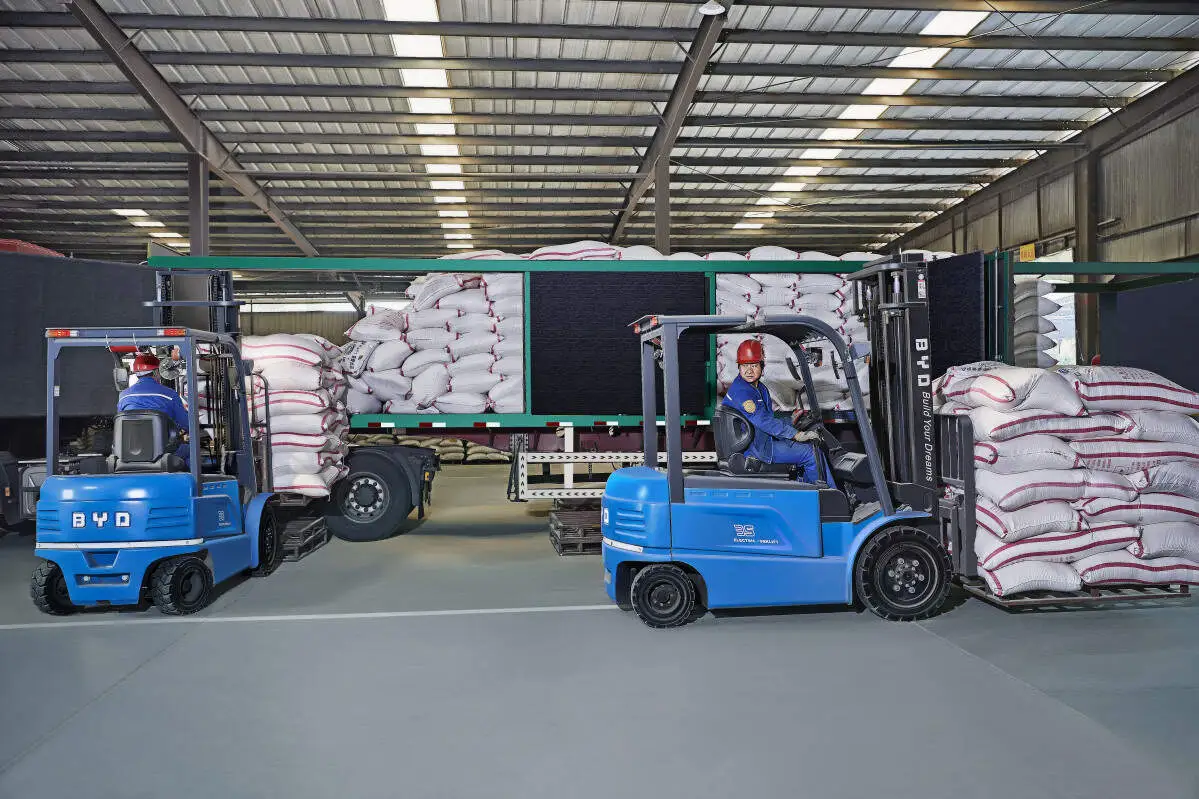
In high-throughput warehouses, electric forklifts play a critical role in moving goods efficiently, but suboptimal workflows can lead to bottlenecks, increased operational costs and reduced productivity. Implementing targeted optimisation approaches can help unlock their full potential while aligning with the fast-paced demands of such facilities.
One fundamental approach is intelligent route planning. Leveraging real-time data from warehouse management systems (WMS), operators can access dynamic route suggestions that avoid congested areas, reduce empty travel and prioritise high-priority orders. By mapping out optimal paths based on inventory locations, order pick-up and drop-off points, electric forklifts can cut down on unnecessary movements, directly boosting overall throughput. For instance, routes can be adjusted dynamically during peak hours to account for sudden surges in order volume or temporary blockages in warehouse aisles.
Load and task scheduling optimisation is another key strategy. Matching forklift capacity with load requirements ensures that each trip is maximized without exceeding safety limits. Advanced scheduling algorithms can distribute tasks evenly among available forklifts, minimizing waiting times and ensuring that no single unit is overburdened. This also involves grouping orders with similar destinations to reduce repeated trips, further optimizing the use of electric forklifts and lowering energy consumption.
Proactive maintenance is essential to keep electric forklifts operating at peak efficiency. Regular inspections of batteries, brakes, tires and hydraulic systems can prevent unexpected breakdowns that disrupt workflow. Predictive maintenance tools, which use sensors to monitor component performance, can identify potential issues before they escalate, allowing for scheduled repairs during off-peak hours. This not only reduces downtime but also extends the lifespan of the equipment, delivering long-term cost savings.
Investing in operator training is equally vital. Well-trained operators are more proficient in using electric forklifts efficiently, adhering to safety protocols and navigating the WMS to follow optimal routes. Training programs should cover advanced driving techniques, load handling best practices and basic troubleshooting. By enhancing operator skills, warehouses can reduce the risk of errors that cause delays, such as misplacing goods or inefficiently navigating narrow aisles.
Finally, continuous improvement through data analysis ensures that workflow optimisation remains effective over time. Collecting and analyzing data on forklift travel times, task completion rates, energy usage and downtime can reveal hidden bottlenecks. Warehouse managers can use these insights to refine routes, adjust scheduling protocols or update maintenance plans, creating a cycle of ongoing efficiency gains that align with evolving warehouse demands.