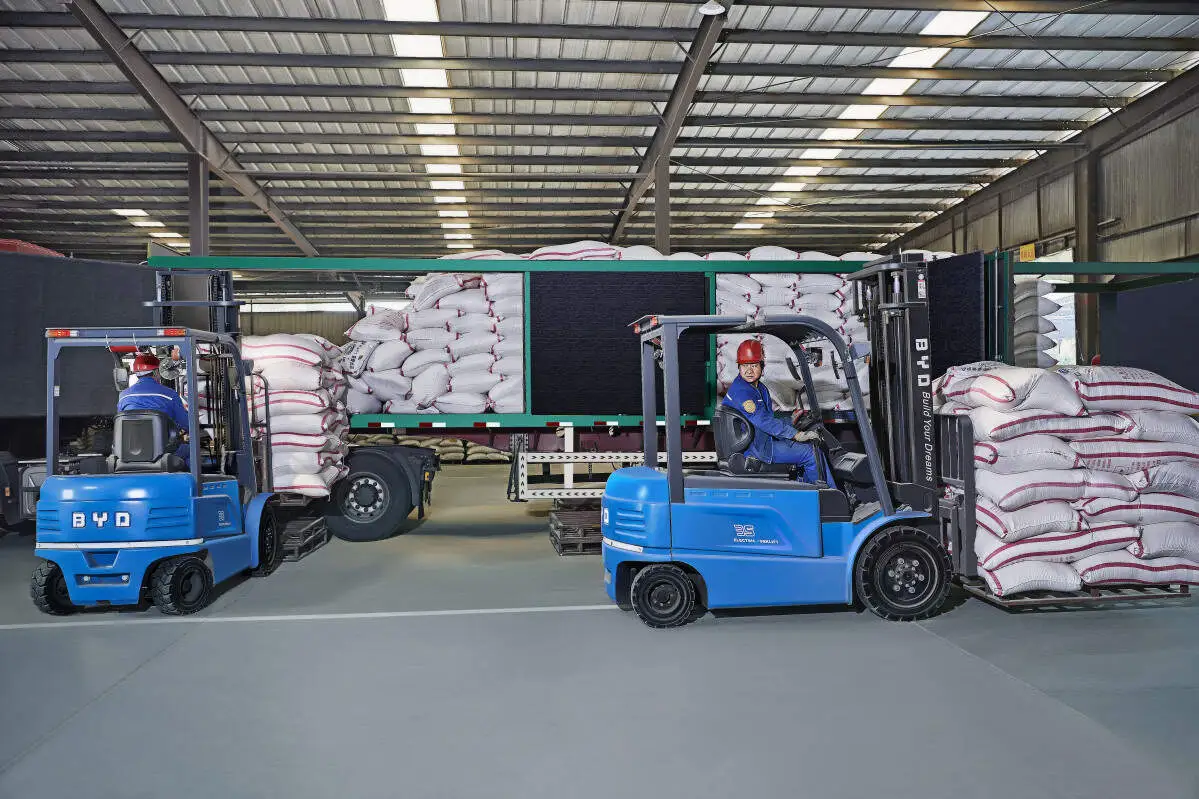
As electric forklifts become a staple in warehouse and logistics operations, selecting the right battery is critical for balancing efficiency, cost, and operational continuity. Two dominant options—lithium ion and lead acid batteries—each offer distinct benefits and trade-offs that align with different business needs.
When evaluating performance, lithium ion batteries stand out for their rapid charging capabilities. Most models can reach 80% charge in 1 to 2 hours, allowing quick top-ups during shift breaks without lengthy downtime. This enables continuous operation without needing extra battery sets to swap out. In contrast, lead acid batteries require 8 to 10 hours for a full charge, often necessitating dedicated charging shifts or backup batteries to avoid workflow interruptions. Lithium ion batteries also deliver consistent power output throughout their discharge cycle, ensuring steady lifting capacity and speed until the battery needs recharging. Lead acid batteries, however, experience gradual voltage drops as they deplete, which can reduce forklift performance towards the end of a shift.
Lifespan is another key differentiator. Lithium ion batteries typically last 3,000 to 5,000 charge cycles, translating to 5 to 7 years of use under standard operational conditions. Lead acid batteries have a shorter lifespan of 1,000 to 2,000 charge cycles, usually lasting 2 to 3 years. This extended lifespan means lithium ion batteries require less frequent replacement, reducing the disruptions and costs associated with battery swaps over time.
Maintenance requirements vary significantly between the two types. Lead acid batteries demand regular upkeep: operators must check and refill water levels, clean terminals to prevent corrosion, and ensure proper ventilation to avoid harmful gas buildup. These tasks add to labor costs and require dedicated storage spaces with safety measures. Lithium ion batteries, by contrast, are virtually maintenance-free. Their sealed design eliminates the need for water refills or terminal cleaning, and they produce no toxic emissions, simplifying storage and reducing ongoing maintenance efforts.
Cost considerations play a pivotal role in decision-making. Lithium ion batteries have a higher upfront purchase price, but their longer lifespan and lower maintenance expenses often result in a better total cost of ownership over 5 to 7 years. Lead acid batteries have a lower initial cost but incur higher long-term expenses for maintenance, frequent replacements, and energy inefficiency due to longer charging times and higher self-discharge rates. Businesses with long-term operational plans may find lithium ion batteries more cost-effective, while those with tight short-term budgets might opt for lead acid batteries initially.
Environmental impact is an increasingly important factor for many businesses. Lithium ion batteries are more energy-efficient, converting a higher percentage of stored energy into usable power, which reduces overall energy consumption. They are also highly recyclable, with most components recoverable for reuse. Lead acid batteries are also recyclable, but their manufacturing process involves more hazardous materials, and improper disposal can pose risks to soil and water. Additionally, the longer lifespan of lithium ion batteries reduces the number of batteries that need to be manufactured and disposed of over time.
In conclusion, choosing between lithium ion and lead acid forklift batteries depends on a business’s specific priorities—whether that’s upfront cost, long-term efficiency, minimal maintenance, or environmental sustainability. By weighing these factors carefully, businesses can select the battery type that best supports their operational goals and financial objectives.