In industrial and warehouse material handling, forklift tires are a critical component that directly impacts operational efficiency, safety, and long-term costs. Choosing between pneumatic and solid forklift tires requires a clear understanding of their unique traits, performance capabilities, and optimal applications.
Pneumatic forklift tires feature an air-filled inner chamber, similar to passenger vehicle tires. This air cushion delivers excellent shock absorption, making them ideal for outdoor use on uneven surfaces like gravel, cracked pavement, or dirt yards. The cushioning effect reduces vibrations transferred to the forklift’s chassis and operator, enhancing comfort during extended shifts and minimizing damage to fragile cargo. However, their air-filled structure makes them vulnerable to punctures from sharp objects such as nails or debris, which can lead to sudden deflation and unexpected downtime. Regular maintenance—including checking air pressure, inspecting for wear, and repairing small punctures—is essential to keep pneumatic tires in peak condition.
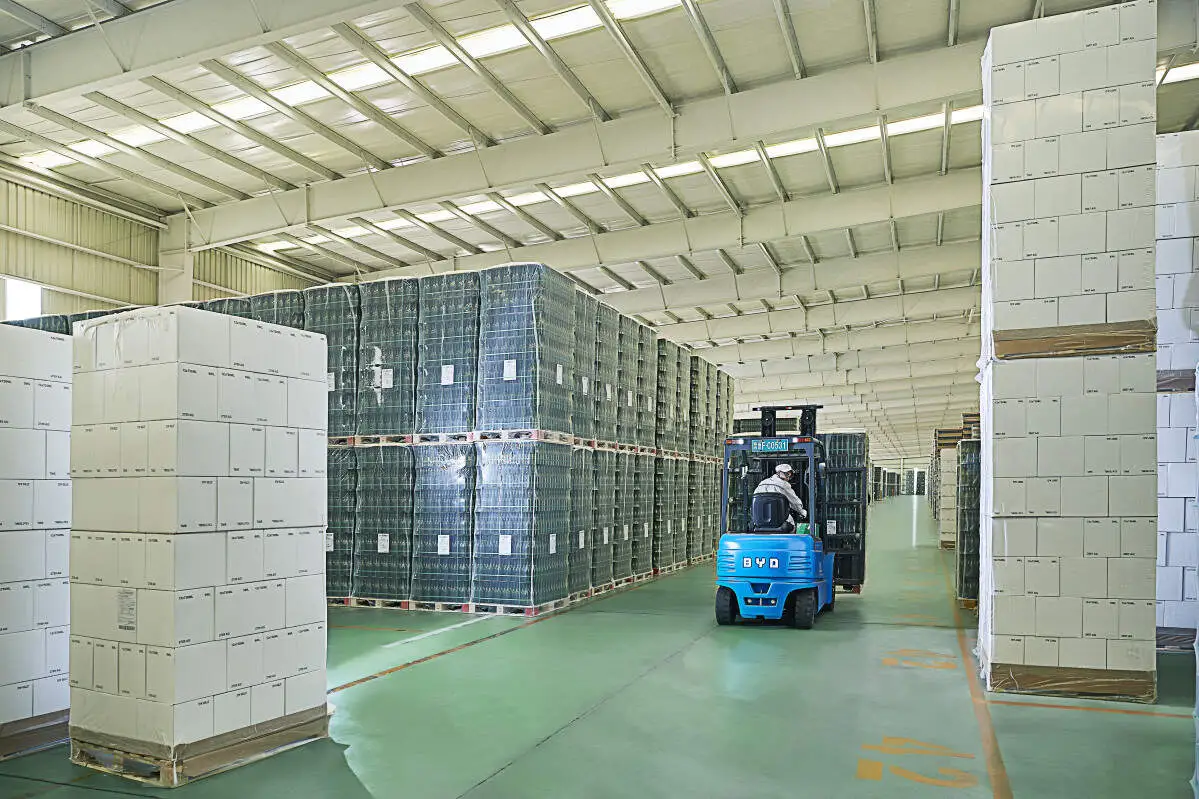
Solid forklift tires are constructed entirely from dense rubber compounds, eliminating the risk of punctures or deflation. This makes them a reliable choice for indoor warehouse environments with smooth concrete floors, where sharp debris is less prevalent. Solid tires offer exceptional durability, resisting wear from constant contact with hard surfaces and requiring far less maintenance than pneumatic alternatives. They also provide stable handling for heavy loads, ensuring consistent performance in repetitive material handling tasks. That said, their rigid structure lacks the shock absorption of pneumatic tires, leading to increased vibrations that may reduce operator comfort over long shifts and potentially accelerate wear on the forklift’s suspension components.
When evaluating these two tire types, several key factors come into play. For outdoor operations with varied terrain, pneumatic tires are the preferred option due to their superior shock absorption and traction. They navigate rough ground more effectively, reducing the risk of cargo damage and improving overall operational safety. In contrast, solid tires excel in indoor settings where puncture risks are low and durability is a top priority. Their longer service life and minimal maintenance requirements translate to lower long-term costs, as there’s no need to address flat tires or adjust air pressure regularly.
Cost is another important consideration. Pneumatic tires typically have a lower upfront price point, but their ongoing maintenance needs and potential for downtime can add to long-term expenses. Solid tires may carry a higher initial cost, but their robust construction and low maintenance demands make them a cost-effective choice for high-volume indoor operations.
Ultimately, the decision between pneumatic and solid forklift tires hinges on your specific operational needs. If your forklifts operate primarily outdoors on uneven terrain, pneumatic tires offer the performance and comfort required to keep operations running smoothly. For indoor warehouse use with consistent, smooth surfaces, solid tires provide reliability and cost savings over time. By weighing these factors carefully, you can select the tire type that best supports your material handling goals and operational efficiency.