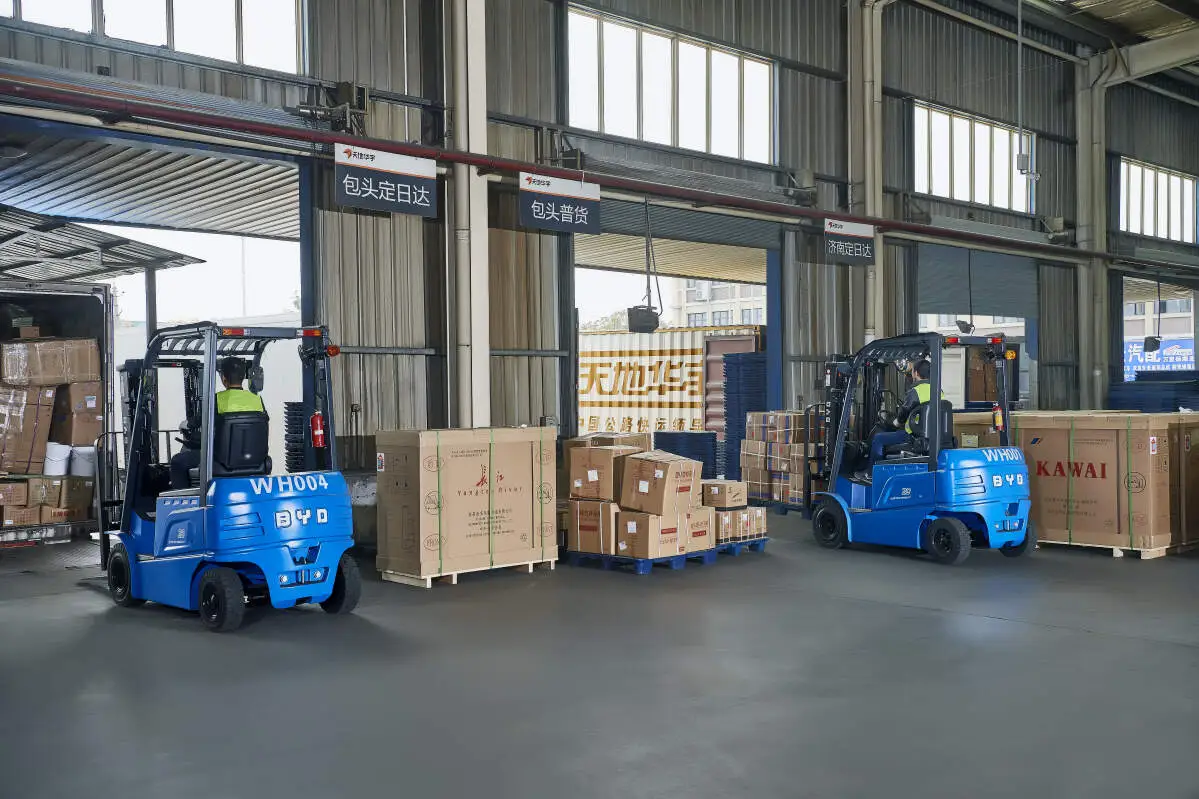
In industrial and warehouse environments with multilingual teams, understanding Spanish terminology for forklift equipment is crucial for clear communication, operational efficiency, and workplace safety. Misinterpretations of key terms can lead to delays, equipment damage, or even accidents, making it vital for operators, supervisors, and maintenance staff to familiarize themselves with core vocabulary.
Forklift Component Terminology
Forklifts rely on specialized parts to function, and knowing their Spanish names helps with maintenance checks and repair requests. The vertical structure that lifts loads is called the "mástil" (mast), while the metal prongs that hold cargo are "horquillas" (forks). The "respaldo de carga" (load backrest) prevents items from falling backward onto the operator, and the "tanque hidráulico" (hydraulic tank) stores the fluid that powers lifting and tilting movements. For electric forklifts, the "compartimento de batería" (battery compartment) houses the power source, a key area for routine inspections.
Operational Terminology for Forklift Use
Day-to-day forklift operations require precise commands, and Spanish terms help coordinate tasks smoothly. When instructing an operator to raise a load, you would say "levantar la carga," while "bajar la carga" means to lower it. "Inclinar hacia adelante" refers to tilting the mast forward to secure loads, and "inclinar hacia atrás" is tilting it backward to prevent cargo from sliding off during travel. "Avanzar" tells an operator to move forward, and "retroceder" means to reverse, both essential for maneuvering in tight warehouse spaces.
Safety Terminology for Forklift Operations
Safety is the top priority in forklift use, and Spanish safety terms help enforce protocols across all team members. "Límite de velocidad" (speed limit) reminds operators to adhere to set speeds in pedestrian-heavy areas, while "no peatones" (no pedestrians) marks zones where only forklifts are allowed. "Capacidad de carga" (load capacity) refers to the maximum weight a forklift can safely carry, a critical term to prevent overloading accidents. In emergencies, "parada de emergencia" (emergency stop) is the command to halt the vehicle immediately, and "arnés de seguridad" (safety harness) is the required gear for operators working at height.
Mastering these Spanish terms creates a more inclusive and safe work environment, ensuring that all team members can understand instructions, report issues, and follow safety guidelines accurately. Whether you’re training new operators or collaborating with Spanish-speaking colleagues, this vocabulary forms the foundation for effective forklift management and operational success.