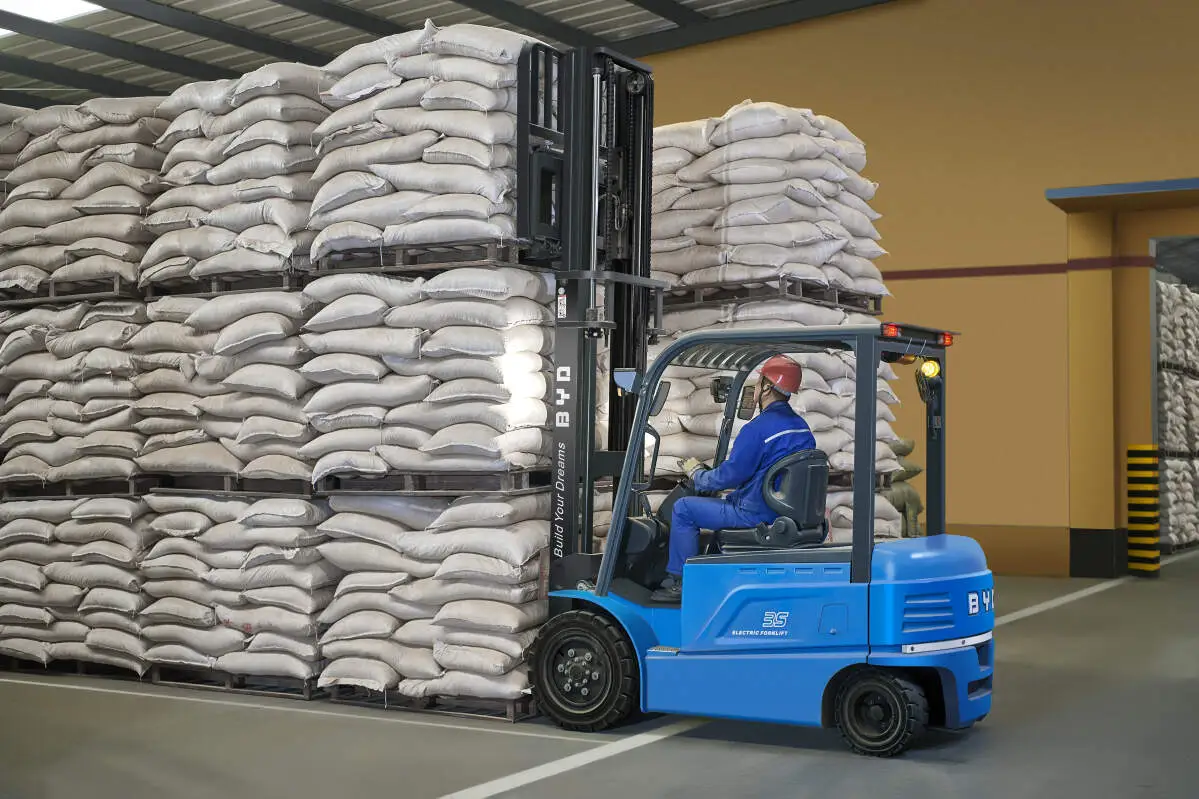
In busy industrial and warehouse settings, electric forklifts are indispensable for seamless material handling, but their reverse operations present persistent safety challenges. Traditional fixed-volume reverse warning sounds often fall short of meeting the needs of diverse work environments—either blaring loudly in quiet storage facilities to cause unnecessary noise disturbance, or being too faint in bustling manufacturing floors to alert nearby pedestrians and operators. This gap is effectively addressed by adjustable reverse warning sound systems designed for electric forklifts, offering a tailored approach to balancing safety and operational comfort.
Different work zones demand varying levels of auditory alerts to ensure optimal safety without disrupting daily tasks. For example, in a quiet distribution center where precision work and low noise levels are prioritized, a high-volume alarm can distract focused employees and disrupt workflow. Conversely, in a busy assembly line with constant machinery hum and worker chatter, a faint warning signal may go unnoticed, increasing the risk of collisions between forklifts, personnel, and stationary objects. Adjustable reverse warning sounds empower operators to tweak volume levels and even switch between tone options based on their immediate surroundings, ensuring the alert is heard clearly without being obtrusive.
Beyond environmental adaptation, this feature directly elevates workplace safety standards. By ensuring the warning sound is appropriately calibrated to the environment, it effectively alerts nearby individuals to the forklift’s reverse movement, reducing the likelihood of accidents and near-misses. At the same time, it cuts down on excessive noise pollution, which can contribute to employee fatigue, reduced concentration, and long-term hearing issues. A well-adjusted warning sound creates a more harmonious work environment where safety is not compromised, and daily operations proceed smoothly.
Installing and adjusting this system is user-friendly for most electric forklifts. Operators can access a dedicated control panel, typically located near the driver’s seat, to modify volume settings or select different alert tones. It is recommended to conduct regular functional checks, especially after moving between distinct work areas, to ensure the system operates as intended. Training operators on how to assess their environment and adjust the warning sound accordingly is also critical, as it ensures the feature is utilized to its full potential, maximizing both safety and efficiency.
In conclusion, adjustable reverse warning sounds are a valuable upgrade for electric forklift fleets, addressing the limitations of one-size-fits-all fixed alarms. By providing flexibility to adapt to diverse work conditions, they enhance safety outcomes, reduce unnecessary noise, and support overall operational efficiency. As workplaces continue to prioritize both employee well-being and operational effectiveness, this feature is becoming an essential component of modern electric forklift setups, ensuring material handling operations are secure, sustainable, and considerate of all personnel.