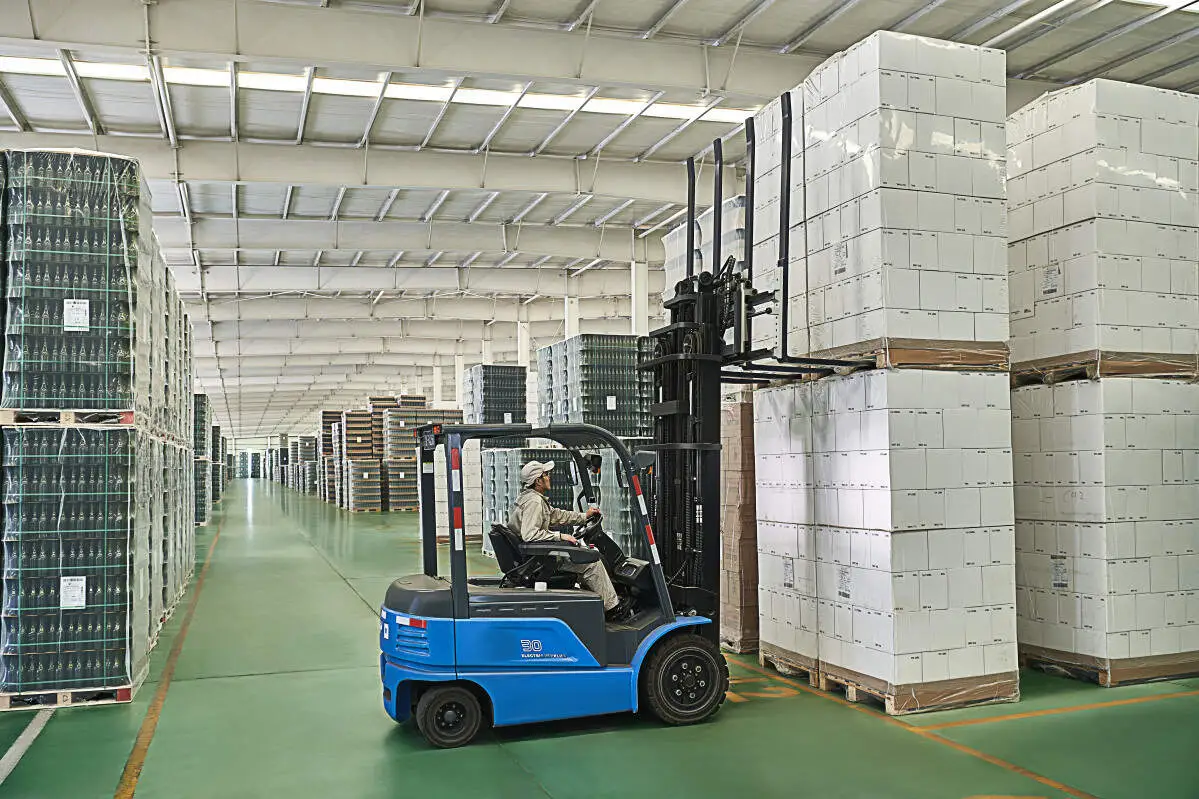
Forklifts are essential tools in warehouses, manufacturing facilities, and distribution centers, where they handle heavy loads and navigate tight spaces daily. However, their operation comes with inherent risks, making operator safety a top priority. One critical safety feature designed to mitigate these risks is the forklift seat belt interlock system. This integrated mechanism works in tandem with the forklift’s controls to enhance operator protection and reduce accident-related injuries.
The primary safety function of the seat belt interlock system is preventing unbelted forklift operation. Unlike standard seat belts that rely on operator compliance, this system creates a mandatory safety barrier. When an operator enters the forklift, they must fasten their seat belt before the vehicle can be started or moved. If the belt remains unfastened, the interlock triggers a signal that disables key forklift functions, such as acceleration or lift controls. This eliminates the temptation to skip wearing a seat belt, ensuring operators prioritize safety before beginning any task.
During accidents, the seat belt interlock system plays a vital role in securing operators in their seats. Forklifts are prone to tipping, especially when carrying heavy loads on uneven terrain or making sharp turns. Without proper restraint, an operator could be ejected from the vehicle, leading to severe falls or being crushed by the forklift itself. The interlock system ensures the seat belt remains engaged throughout operation, holding the operator securely in place during sudden stops, collisions, or tip-overs. This restraint significantly reduces the risk of fatal or life-altering injuries in such scenarios.
Beyond direct ejection prevention, the system also helps reduce secondary injury risks. In the event of a collision or tip-over, an unrestrained operator may be thrown around the cabin, hitting controls, windows, or other internal components. The seat belt interlock keeps the operator positioned correctly, minimizing contact with hard surfaces and moving parts inside the forklift. By limiting movement during an accident, it cuts down on injuries like broken bones, head trauma, and internal damage that can result from secondary impacts.
Additionally, the seat belt interlock system supports workplace safety compliance. Many occupational safety regulations require employers to implement measures that ensure operators use seat belts while operating heavy machinery. The interlock system automates this compliance, removing the need for constant supervision and enforcement. By installing these systems, businesses can meet regulatory standards, reduce the risk of fines, and demonstrate a commitment to protecting their workforce.
In conclusion, the forklift seat belt interlock system is more than just a regulatory requirement—it is a critical safety component that addresses multiple risk factors in forklift operation. From preventing unbelted use to reducing injury severity during accidents, this system plays an indispensable role in safeguarding operators and maintaining a safe work environment.