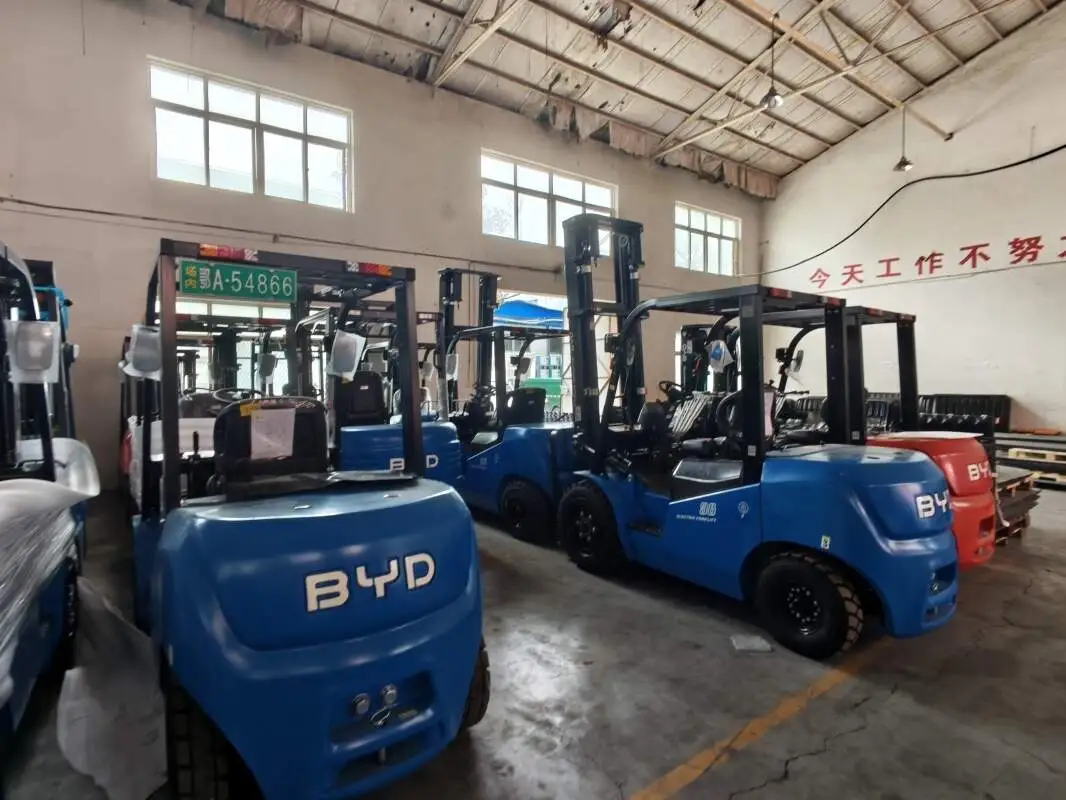
In the fast-paced world of industrial warehouse operations, efficient material handling is the backbone of smooth daily workflows. For many businesses, forklift hire emerges as a practical solution to meet their lifting and transport needs without the long-term commitments of purchasing. This guide walks you through everything you need to know to make informed decisions about forklift hire, optimizing your warehouse’s productivity and cost-efficiency.
Opting for forklift hire instead of buying offers several key advantages. Firstly, it eliminates the significant upfront capital expenditure required for purchasing new or used equipment, allowing businesses to allocate funds to other critical operational areas. Additionally, most rental agreements include maintenance and repair services, relieving warehouse managers of the burden of scheduling regular upkeep and handling unexpected breakdowns. Hire also provides unmatched flexibility: during peak seasons or temporary projects, you can easily scale up the number of forklifts, and scale down when demand decreases, avoiding the cost of idle equipment.
Selecting the appropriate forklift depends on your warehouse’s specific requirements. Start by assessing the available space—narrow-aisle warehouses benefit from compact, maneuverable models that can navigate tight gaps without compromising load capacity. Next, determine the average weight of the loads you handle; forklifts are rated by their maximum lifting capacity, so choosing one that matches your typical load ensures safety and efficiency. Fuel type is another critical factor: electric forklifts are ideal for indoor operations due to zero emissions and low noise, while diesel-powered models are better suited for outdoor tasks where longer runtime and higher power are needed. Also, consider attachments like side shifters or clamp attachments if your operations require specialized handling.
Before signing a rental agreement, take time to review important details. First, decide on the rental term—short-term hire works well for temporary projects, while long-term contracts often come with discounted rates for ongoing operations. Clarify who is responsible for maintenance, repairs, and insurance coverage to avoid unexpected costs. Ensure that your forklift operators are properly trained and certified, as unqualified operation can lead to accidents and equipment damage. Finally, choose a reputable hire provider with a track record of reliable equipment and responsive customer support, ensuring minimal downtime if issues arise.
By understanding the benefits of forklift hire, selecting the right equipment for your needs, and addressing key contractual considerations, you can enhance your warehouse’s material handling efficiency while keeping costs under control. Whether you’re managing a small storage facility or a large-scale distribution center, forklift hire offers a flexible, cost-effective solution to support your operational goals.