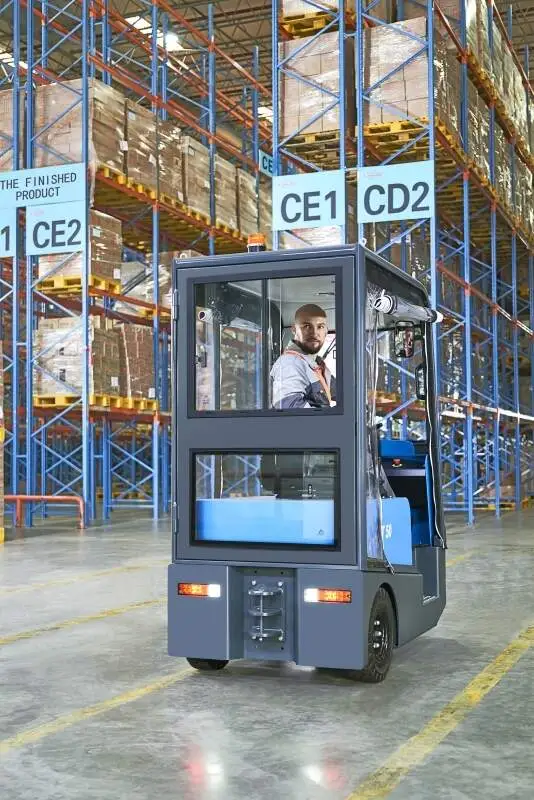
forklift attachments play a critical role in enhancing the versatility and efficiency of material handling operations. When these components wear out or break, sourcing reliable replacement attachments is essential to maintain uninterrupted workflow and ensure workplace safety. However, navigating the market for replacement parts can be challenging, as not all products meet the required standards of durability and compatibility. Below are practical, actionable tips to help you source reliable replacement forklift attachments effectively.
Start by conducting a thorough assessment of your specific needs. Before initiating any sourcing process, identify the exact type of attachment you require, considering factors like your forklift’s capacity, the nature of materials you handle, and the frequency of use. For instance, if your operations involve lifting heavy, irregularly shaped loads, you may need a specialized clamp attachment rather than a standard fork extension. Understanding these details will help you narrow down options and avoid investing in attachments that do not align with your operational requirements.
Prioritize quality and compliance with industry standards. Reliable replacement attachments should be manufactured to meet or exceed relevant safety and performance standards. Look for products that adhere to international guidelines for material handling equipment, which ensure they can withstand the rigors of daily use without compromising safety. Inspect the material quality—high-grade steel or durable alloys are often indicators of a long-lasting attachment. Additionally, check for signs of poor craftsmanship, such as uneven welds or flimsy components, which can lead to premature failure.
Evaluate potential suppliers carefully. Not all suppliers offer the same level of reliability. Start by researching suppliers with a proven track record in providing forklift replacement parts. Look for reviews and testimonials from other businesses in your industry to gauge their reputation for product quality and customer service. It’s also beneficial to choose suppliers that can provide detailed product documentation, including specifications, maintenance guidelines, and warranty information. A reputable supplier will be transparent about their products and willing to answer any questions you may have regarding compatibility or performance.
Verify compatibility with your forklift model. Even a high-quality attachment can cause operational issues if it is not compatible with your forklift. Always cross-reference the attachment’s specifications with your forklift’s manufacturer guidelines. Pay attention to factors like mounting dimensions, weight capacity, and hydraulic system requirements. If you are unsure about compatibility, consult with a forklift maintenance professional or the supplier’s technical support team to ensure a proper fit. Using incompatible attachments can not only damage your forklift but also pose serious safety risks to operators.
Consider after-sales support and warranty coverage. A reliable supplier will stand behind their products with comprehensive warranty coverage. This protects you from unexpected costs in case the attachment fails prematurely due to manufacturing defects. Additionally, inquire about the supplier’s after-sales support services, such as maintenance advice or replacement parts availability. Having access to timely support can minimize downtime if an issue arises with the attachment after installation.
Sourcing reliable replacement forklift attachments requires a combination of careful planning, thorough evaluation, and attention to detail. By following these practical tips, you can ensure that you invest in attachments that meet your operational needs, comply with safety standards, and provide long-term value. Taking the time to source high-quality replacements will not only enhance the efficiency of your material handling operations but also contribute to a safer working environment for your team.