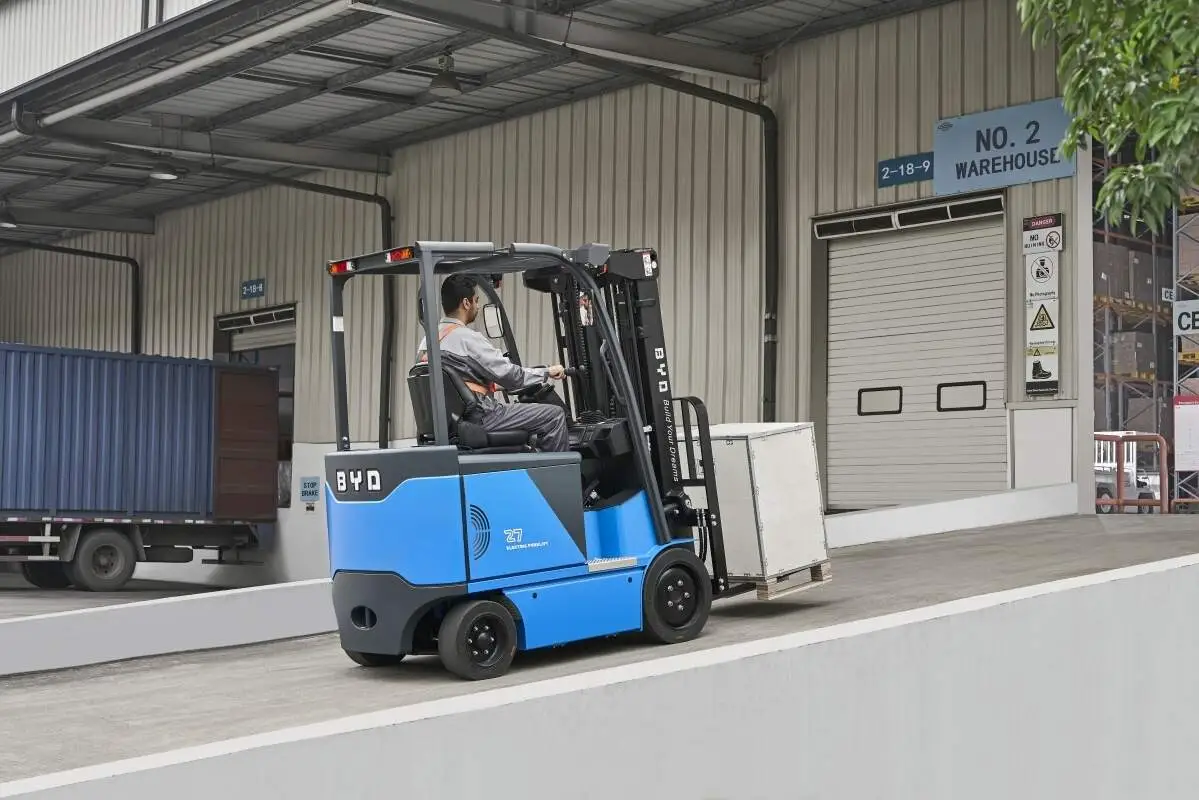
Forklifts are workhorses in warehouses, distribution centers, and industrial facilities, playing a pivotal role in moving heavy loads efficiently. However, many operations overlook a critical factor that directly impacts safety, performance, and equipment lifespan: matching fork size specifications to daily forklift load requirements. Failing to align these two elements can lead to preventable accidents, reduced operational efficiency, and costly equipment damage.
Understanding why proper fork-load matching matters is the first step toward safer and more efficient material handling. When forks are too short for a load, the risk of the load tipping or slipping off increases significantly, especially during lifting or turning maneuvers. Conversely, overly long forks can make the forklift less maneuverable, increasing the chance of collisions with racks, walls, or other equipment. Additionally, using forks that lack the necessary weight capacity for daily loads can cause bending, cracking, or permanent deformation of the fork tines, compromising the forklift’s structural integrity over time.
To effectively match fork sizes to daily load requirements, start by conducting a thorough assessment of your typical operations. Begin with analyzing the weight of your daily loads: most forklift forks are rated for specific weight capacities, and exceeding this rating can lead to catastrophic failure. Next, consider the dimensions of your loads, particularly the length and width of pallets or bulky items. As a general guideline, forks should extend at least 10 to 12 inches beyond the front edge of the load to ensure stable support. For example, if your daily operations frequently involve 48-inch-long pallets, opting for 60-inch forks would provide adequate coverage.
Beyond length and weight capacity, fork thickness and spacing are also key specifications to evaluate. Thicker fork tines are designed to handle heavier loads without bending, so if your daily tasks include lifting dense materials like metal components or concrete blocks, thicker forks are essential. Fork spacing, or the distance between the two tines, should align with the fork pockets on your pallets to ensure even weight distribution. Mismatched spacing can cause uneven load support, leading to instability during transport.
Regular inspection and maintenance are equally important to ensure that your forks remain suitable for daily load requirements. Conduct weekly visual checks for signs of wear, such as cracks, bends, or thinning of the fork tines. If any damage is detected, remove the forks from service immediately to avoid potential accidents. Additionally, schedule periodic professional inspections to assess the structural integrity of the forks and confirm that they still meet the load requirements of your operations.
By taking the time to match fork size specifications to your daily forklift load requirements, you can create a safer work environment, optimize operational efficiency, and extend the lifespan of your forklift equipment. This proactive approach not only reduces the risk of accidents and equipment downtime but also contributes to overall cost savings for your operation.