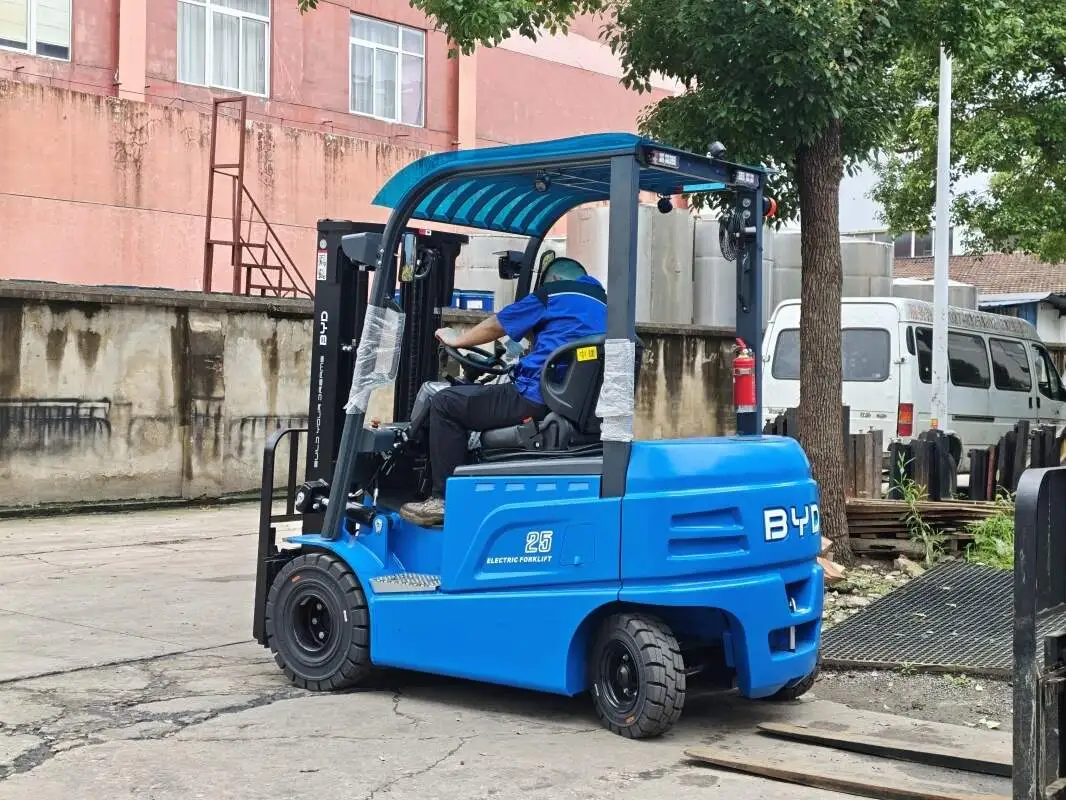
Operating forklifts in dim work zones—such as poorly lit warehouses, outdoor loading docks after dark or enclosed construction areas—poses significant safety risks, including reduced visibility, increased collision chances and impaired pedestrian detection. Adhering to OSHA-aligned forklift lighting standards is not just a regulatory requirement; it’s a fundamental step to protect both operators and workplace personnel.
First, understand the mandatory lighting components specified by OSHA for low-light environments. Front-facing headlights are essential to illuminate the forklift’s path, ensuring operators can spot obstacles, uneven surfaces and pedestrians ahead. These lights must provide sufficient brightness to cover a minimum distance that allows the operator to stop safely if a hazard is detected. Rear-facing taillights are equally critical, as they alert workers and other equipment operators to the forklift’s presence from behind, especially in areas with limited visibility. Additionally, a flashing amber warning light is required in many dim work zones to draw attention to the moving forklift, particularly in spaces where multiple types of machinery or pedestrians are active simultaneously.
Beyond having the right lights, maintaining their functionality is key to compliance. Regular inspections are necessary to check for burnt-out bulbs, cracked lenses or faulty wiring. Operators should conduct pre-shift checks of all lighting components to ensure they are working properly before operating the forklift. Any damaged or non-functional lights must be repaired or replaced immediately; operating a forklift with faulty lighting in a dim zone violates OSHA regulations and puts everyone at risk. Keeping light lenses clean is also important, as dirt, dust or debris can significantly reduce light output, even if the bulb is in good condition.
Training is another critical aspect of compliance. All forklift operators must receive training on OSHA’s lighting requirements for dim work zones, including when to activate specific lights and how to identify potential lighting issues. They should understand that lights must be turned on whenever visibility is reduced, regardless of whether the zone is officially designated as “dim” during daylight hours due to weather conditions or structural obstacles. Additionally, supervisors should enforce these rules and conduct periodic audits to ensure operators are following lighting protocols consistently.
Finally, remember that OSHA’s regulations are designed to promote a safe work environment, not just to impose penalties. Failure to comply with forklift lighting standards can result in fines and citations, but more importantly, it can lead to serious accidents or fatalities. By prioritizing OSHA-aligned forklift lighting in dim work zones—through proper equipment, regular maintenance and employee training—workplaces can significantly reduce risks and create a safer environment for everyone.