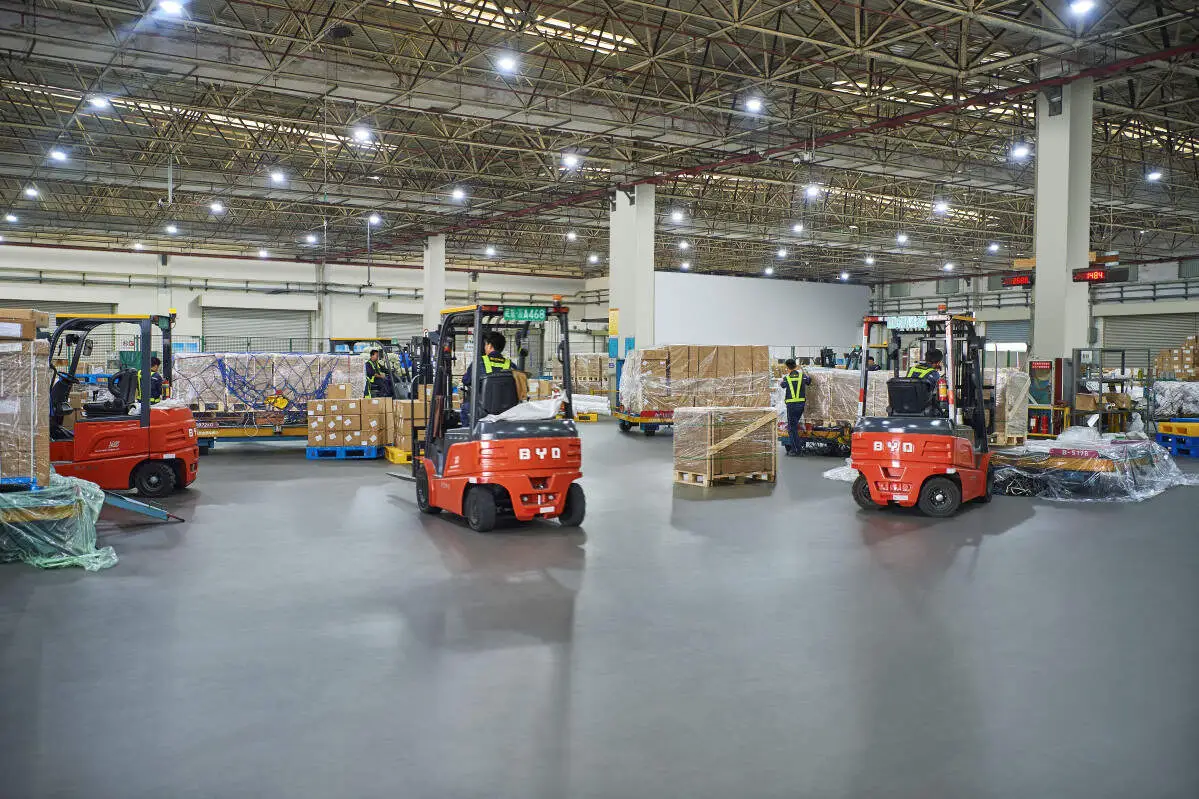
electric forklifts are essential workhorses in warehouses, distribution centers, and industrial facilities, where safe operation directly impacts workplace productivity and employee well-being. Poor visibility remains a leading cause of forklift-related accidents, making properly installed and compliant mirrors a critical safety component. Understanding and adhering to compliance requirements for mirror installation is not just a regulatory obligation but a proactive step to protect operators, pedestrians, and valuable assets.
Core Regulatory Standards for Mirror Compliance
Most global workplace safety authorities mandate specific guidelines for forklift mirror installation to ensure unobstructed visibility. These standards typically require mirrors to provide a clear, wide field of view that covers the forklift’s front, sides, and rear areas—particularly blind spots that are vulnerable during turns, reversing, and loading/unloading operations. While regional regulations may have minor variations, the overarching goal is to eliminate blind spots and enable operators to detect nearby personnel, obstacles, or other equipment in real time.
Installation Location and Mirror Specifications
Compliant mirror installation requires careful attention to placement and mirror type. Mirrors must be mounted at a height that aligns with the operator’s eye level, without blocking access to controls or other critical visual cues. For electric forklifts, mirrors must also be vibration-resistant to maintain clarity during operation, as constant movement can cause loose or misaligned mirrors to impair visibility. Additionally, mirror size must be sufficient to cover the required field of view; overly small mirrors fail to meet compliance standards and increase accident risks. In most cases, both left and right side mirrors are mandatory, with supplementary mirrors recommended for complex work environments with tight spaces.
Ongoing Maintenance and Compliance Checks
Compliance does not end with proper installation. Regular inspections and maintenance are required to keep mirrors in optimal condition. Businesses must establish scheduled checklists to verify that mirrors are free from cracks, scratches, or loose mounts, and that surfaces remain clean to ensure unobstructed visibility. Any damaged or non-compliant mirrors must be replaced immediately to avoid safety gaps. Documenting these inspections also helps demonstrate adherence to regulatory requirements during audits.
Prioritizing compliant mirror installation for electric forklifts creates a safer work environment while ensuring operational efficiency. For expert guidance on meeting mirror compliance standards and accessing comprehensive electric forklift solutions, contact Jianshu New Energy at 17399989919@163.com.