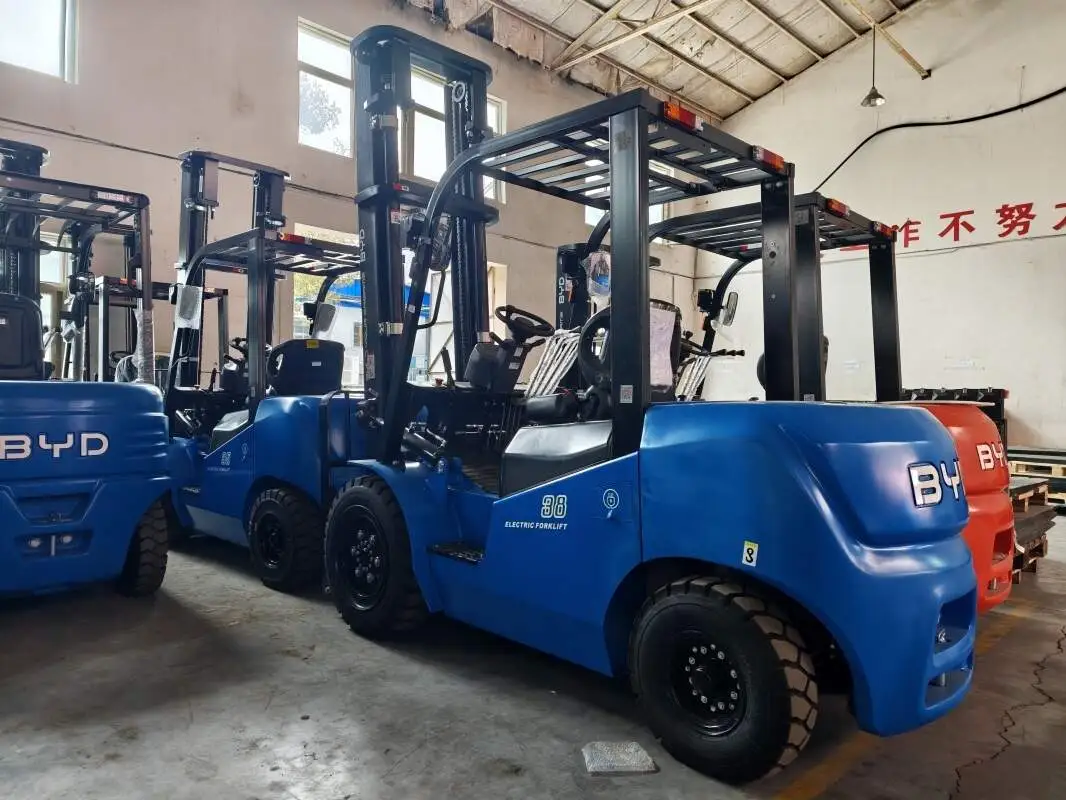
When it comes to optimizing warehouse operational efficiency, choosing the right electric forklift size tailored to your warehouse layout is a critical decision. An ill-sized forklift can lead to reduced productivity, increased safety risks, and unnecessary operational costs. As an electric forklift expert, here are the key indicators you need to consider to make an informed choice.
First and foremost, evaluate your warehouse aisle width. The width of your aisles directly determines the minimum turning radius and overall dimensions of the electric forklift you can use. For warehouses with narrow aisles designed for high-density storage, compact electric forklifts with a smaller turning radius are ideal. These models can maneuver smoothly in tight spaces without damaging racks or goods. In contrast, warehouses with wider aisles and open operational areas can accommodate larger electric forklifts that offer higher load-bearing capacities and longer reach.
Next, assess your load capacity requirements. Understanding the average and maximum weight of the goods you handle on a daily basis is essential. Electric forklifts come in various size categories, each with specific load limits. If your warehouse primarily handles light to medium-weight pallets, a smaller-sized electric forklift will suffice. For heavier loads such as bulk materials or heavy machinery components, you will need a larger, more robust electric forklift with a higher load capacity. It’s important to factor in not just the weight but also the dimensions of the pallets to ensure the forklift can safely lift and transport them.
Thirdly, consider your storage height. If your warehouse uses high-rise storage racks to maximize vertical space, you need an electric forklift with sufficient lift height. Larger electric forklifts typically offer greater lift heights, allowing you to access goods stored on upper racks efficiently. However, if your storage racks are lower, a smaller electric forklift with a moderate lift height will meet your needs and be more cost-effective in terms of both purchase price and energy consumption.
Another crucial indicator is your warehouse’s operational flow. Analyze the typical movement patterns of goods within your warehouse, including picking, packing, and loading/unloading zones. If your warehouse requires frequent maneuvering around obstacles or tight turns, a compact, agile electric forklift is a better fit. For warehouses with long straight paths and fewer obstacles, a larger electric forklift with higher travel speeds can improve transport efficiency.
Finally, account for future expansion needs. As your business grows, your warehouse layout and operational requirements may change. Choosing an electric forklift size that can adapt to potential changes, such as increased load capacity needs or expanded storage space, can save you from having to invest in new equipment prematurely.
At Jianshu New Energy, we specialize in BYD electric forklifts, offering a range of sizes to meet diverse warehouse layout needs. Whether you need a compact model for narrow aisles or a heavy-duty forklift for high-load operations, our team can provide professional guidance to help you select the perfect fit. For more information, feel free to contact us at 17399989919@163.com.