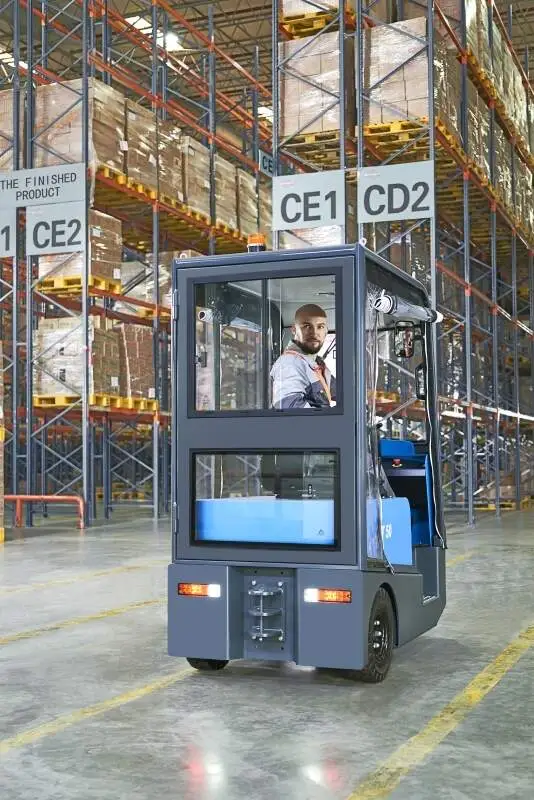
In today’s fast-paced supply chain and logistics landscape, efficient material handling is a cornerstone of operational success. Businesses face growing pressures to streamline workflows, reduce environmental impact, and optimize space utilization—challenges that traditional forklift solutions often struggle to address. Modern material-handling forklift systems, particularly electric variants, have emerged as a versatile and sustainable answer to these demands, offering tailored options for diverse industry scenarios.
electric forklifts stand out for their eco-friendly operations, producing zero tailpipe emissions to meet stringent environmental regulations and improve indoor air quality in warehouses and distribution centers. Beyond sustainability, they deliver lower operational costs compared to fossil-fuel-powered alternatives, with fewer moving parts reducing maintenance needs and electricity being more cost-effective than diesel or propane over the long term. Their quiet operation also minimizes workplace noise pollution, creating a more comfortable and productive environment for staff.
Different material-handling scenarios require specialized forklift solutions. For narrow-aisle warehouse environments, compact electric reach trucks are designed to maneuver tight spaces, maximizing vertical storage access and improving inventory turnover. In cold storage facilities, electric forklifts with insulated components and cold-resistant batteries maintain performance in low-temperature conditions, ensuring reliable operation without compromising efficiency. For outdoor yard operations where heavier loads are common, heavy-duty electric counterbalance forklifts offer the lifting capacity and durability needed to handle palletized goods and bulk materials effectively.
The evolution of modern material-handling forklift solutions is also shaped by technological advancements. Automated guided forklifts integrate with warehouse management systems to enable autonomous load transport, reducing human error and freeing up staff for more complex tasks. IoT-enabled forklifts provide real-time data on performance, battery life, and maintenance needs, allowing businesses to implement predictive maintenance strategies and minimize downtime. Ongoing improvements in battery technology, such as fast-charging lithium-ion batteries, further extend operational hours and reduce charging times, enhancing overall workflow efficiency.
When selecting a modern material-handling forklift solution, businesses must assess their specific operational requirements, including load capacity, workspace layout, environmental constraints, and long-term cost goals. By leveraging the right electric forklift technology and integrating emerging digital tools, organizations can create a more efficient, sustainable, and resilient material-handling ecosystem that supports their growth and operational objectives.