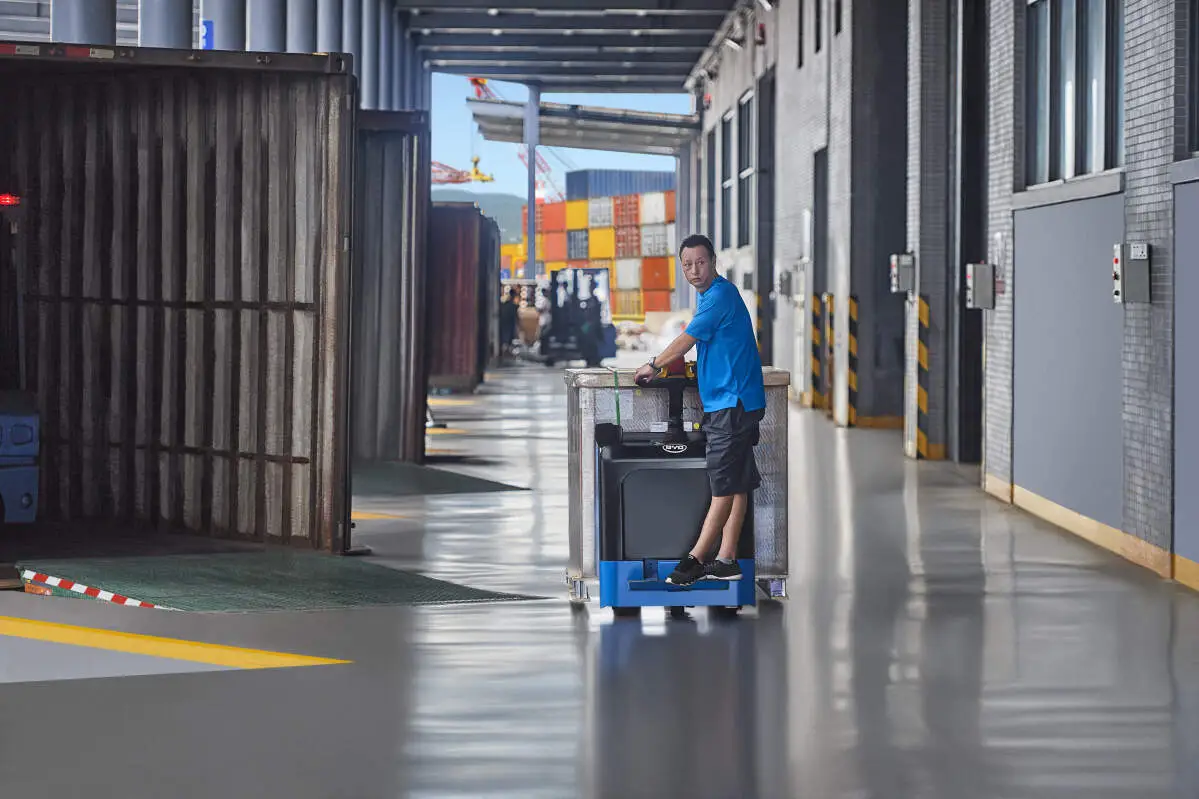
Proper storage of electric forklift equipment is critical to avoiding unnecessary component wear, reducing long-term maintenance costs, and extending the overall lifespan of the machinery. Many operators overlook storage best practices, leading to premature degradation of key parts such as batteries, hydraulic systems, and tires. This guidance outlines essential steps to protect your electric forklift during periods of non-use, whether for short breaks or extended downtime.
First and foremost, focus on battery storage, as the battery is the heart of an electric forklift. Before storing, ensure the battery is charged to approximately 80% capacity; overcharging or fully discharging can cause permanent damage to cells. Clean the battery terminals thoroughly to remove corrosion, which can impede electrical connections and lead to inefficient power transfer. Store the battery in a cool, dry area away from direct sunlight and extreme temperatures—both excessive heat and cold can accelerate battery degradation. If storing for more than two weeks, check the battery voltage monthly and top up the charge as needed to prevent sulfation, a common issue that reduces battery performance over time.
Next, control the storage environment to minimize wear on sensitive components. The storage area should be well-ventilated to prevent the buildup of harmful fumes and maintain consistent humidity levels. High humidity can cause rust and corrosion on metal parts, while dry, dusty environments can infiltrate hydraulic systems and bearings, leading to increased friction and wear. Avoid storing the forklift outdoors unless it is fully covered with a waterproof, breathable tarp to protect against rain, snow, and UV rays. Additionally, ensure the storage space is free of debris and sharp objects that could scratch or damage the forklift’s exterior or undercarriage.
Take proactive measures to protect individual components. Lower the forklift’s mast and forks to the lowest position to reduce stress on the hydraulic cylinders and mast chains. If storing for an extended period, use supports to lift the tires slightly off the ground, preventing flat spots that can lead to uneven wear during future use. Clean the entire forklift thoroughly before storage, removing dirt, grease, and debris from the body, wheels, and hydraulic components. This prevents contaminants from hardening and causing abrasion when the forklift is put back into operation. For moving parts like hinges and chains, apply a thin layer of recommended lubricant to prevent rust and ensure smooth operation when the forklift is reused.
Finally, implement regular inspection routines even during storage. Every two to four weeks, conduct a visual check of the forklift to identify any signs of wear or damage, such as leaking fluids, corroded parts, or loose connections. Start the forklift briefly to run the hydraulic system and ensure all controls are functioning properly; this helps circulate fluids and prevents seals from drying out. If any issues are detected during inspections, address them promptly to avoid further damage before the forklift is put back into service.
By following these storage guidelines, you can significantly reduce unnecessary component wear on your electric forklift, ensuring it remains reliable and efficient for longer periods. Investing time in proper storage practices now can save you from costly repairs and downtime in the future, making it a critical part of forklift maintenance and management.