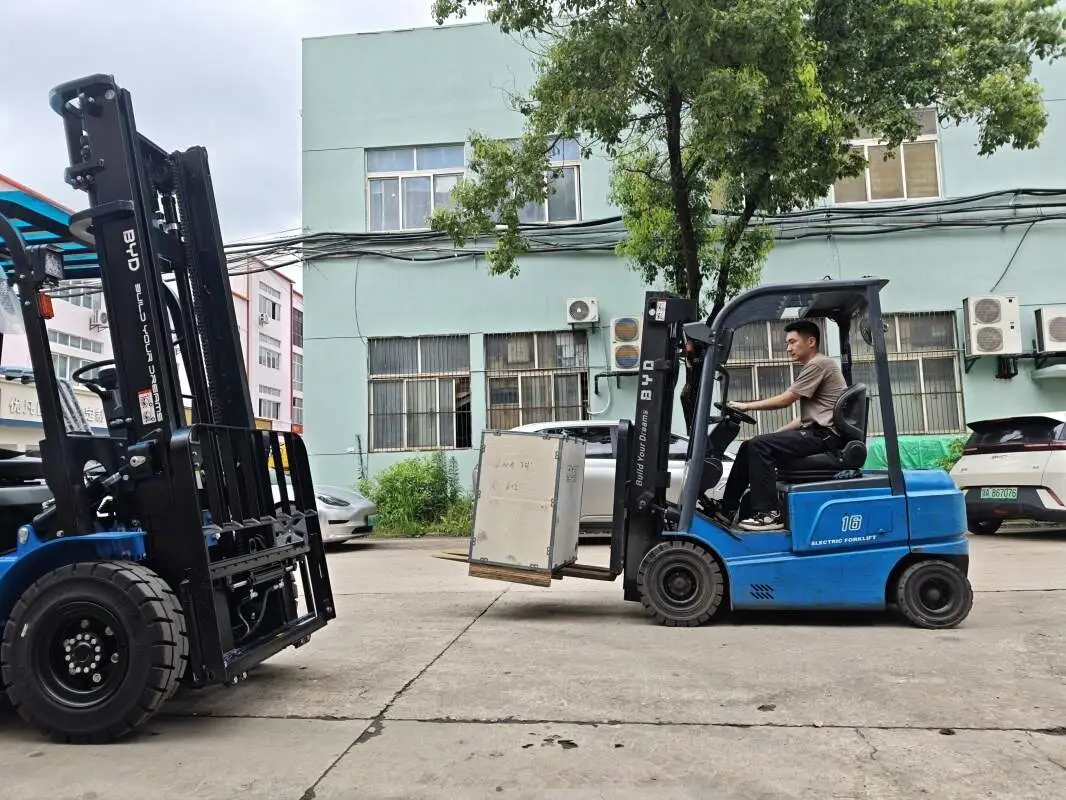
When investing in new industrial forklift equipment, focusing solely on upfront costs can lead to long-term inefficiencies and operational challenges. Instead, prioritizing core specifications ensures you select a forklift that aligns with your facility’s unique needs, from warehouse layout to daily operational demands.
Load capacity stands as one of the most critical specifications to evaluate. This refers to the maximum weight a forklift can safely lift and transport. For light-duty operations, such as picking small inventory in retail warehouses, a lower load capacity may suffice. However, heavy manufacturing or construction environments require forklifts capable of handling bulky, heavy materials. It’s important to consider not just your average load but also occasional peak loads to avoid overstraining the equipment, which can compromise safety and shorten the forklift’s lifespan.
Next, lift height plays a pivotal role in determining a forklift’s suitability for your storage setup. Standard warehouse shelves typically require a moderate lift height, but facilities with high-rise storage systems need forklifts that can reach upper racks efficiently. Keep in mind that a forklift’s lift capacity may decrease as the height increases, so verify the load rating at your required maximum lift height to ensure it meets your needs. This helps prevent situations where a forklift can’t safely lift items to the desired shelf level.
For electric industrial forklifts, runtime and charging capabilities are key considerations. Runtime refers to how long the forklift can operate on a single battery charge, which varies based on battery size and usage intensity. Facilities with multi-shift operations should look for forklifts with extended runtime or quick-charging features to minimize downtime. Additionally, evaluating charging time—whether it requires overnight slow charging or can be topped up during short breaks—helps align the forklift with your operational schedule.
Maneuverability is another vital specification, especially for facilities with narrow aisles or tight spaces. A smaller turning radius allows the forklift to navigate confined areas more easily, improving workflow efficiency and reducing the risk of collisions with racks or other equipment. Consider the overall dimensions of the forklift, including its wheelbase and body length, to ensure it can move smoothly through your facility’s layout without disrupting daily operations.
Finally, ergonomic features shouldn’t be overlooked. Operator comfort directly impacts productivity and safety, particularly during long shifts. Look for specifications such as adjustable seats, intuitive control layouts, and noise-reduction features. These elements help reduce operator fatigue, lowering the risk of errors and improving overall workplace safety.
By carefully comparing these key specifications—load capacity, lift height, runtime, maneuverability, and ergonomics—you can make an informed decision that not only meets your immediate operational needs but also supports long-term efficiency and safety in your facility.