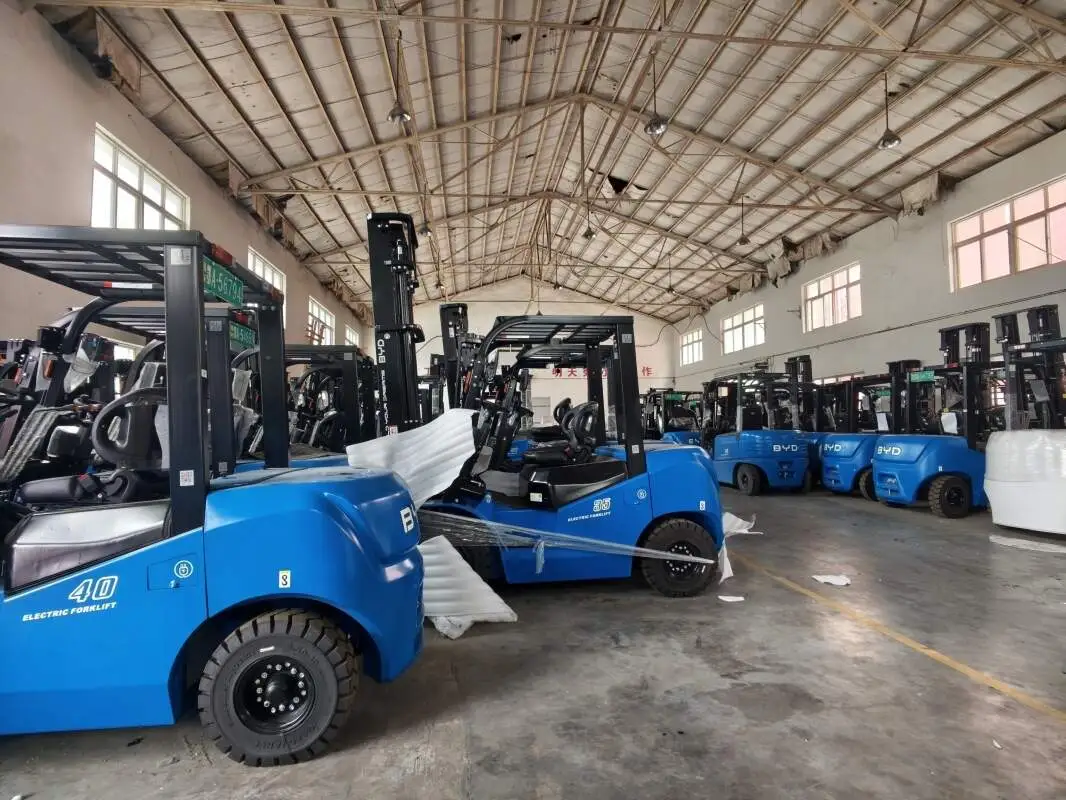
In busy industrial warehouses and distribution centers, forklifts are essential workhorses, but their operation also poses significant risks to both operators and nearby personnel. Each year, workplace incidents involving forklifts lead to injuries, property damage, and costly operational disruptions. Fortunately, forklift-mounted safety devices have emerged as a critical solution to mitigate these risks, creating safer environments and promoting responsible material handling practices.
One of the most impactful forklift-mounted safety devices is the collision avoidance system. Using sensors and cameras, these systems monitor the forklift’s immediate surroundings, detecting obstacles, pedestrians, and other vehicles in real time. When a potential collision is identified, the system triggers visual and audio alerts to warn the operator, giving them precious seconds to react and adjust their course. In high-traffic areas where visibility can be limited by stacked pallets or large loads, this technology acts as an extra set of eyes, reducing the likelihood of accidental impacts that could cause serious harm or damage to inventory.
Load monitoring devices are another key component of forklift safety. Forklifts are designed to handle specific weight capacities, and overloading can lead to instability, tip-overs, or structural damage to the equipment. These devices continuously measure the weight of the load being lifted, providing real-time feedback to the operator through dashboard displays. If the load exceeds the forklift’s rated capacity, the system triggers an alert, preventing the operator from attempting to lift unsafe weights. By ensuring compliance with load limits, these devices reduce the risk of tip-over accidents, which are among the most dangerous incidents involving forklifts.
Reverse safety systems also play a vital role in lowering incident risks. When operating in reverse, forklift operators often have limited visibility, making it easy to miss pedestrians or obstacles behind them. Mounted cameras and audible warning alarms are common features of these systems. The cameras provide a clear view of the area behind the forklift on a dashboard screen, while the alarms emit a distinct sound to alert nearby personnel of the vehicle’s movement. This combination of visual and auditory cues significantly reduces the chance of backing collisions, protecting both workers and equipment.
Operator restraint systems, such as seat belts and harnesses, are fundamental safety devices that are often overlooked but critical for preventing injuries in the event of a tip-over or collision. These systems keep the operator securely in their seat, reducing the risk of being ejected from the forklift during an incident. In addition, some advanced restraint systems are integrated with ignition interlocks, preventing the forklift from starting until the operator is properly secured. This ensures that safety protocols are followed from the moment the vehicle is turned on, creating a culture of safety in the workplace.
Implementing forklift-mounted safety devices is not just a matter of compliance; it is an investment in the well-being of workers and the long-term efficiency of operations. By addressing common risks such as collisions, overloading, and operator ejection, these devices reduce the frequency and severity of workplace incidents. When combined with regular operator training and ongoing safety audits, forklift-mounted safety devices create a comprehensive safety framework that protects personnel, minimizes downtime, and supports a productive work environment. As industrial operations continue to evolve, these technologies will remain essential tools for maintaining safe and efficient material handling practices.