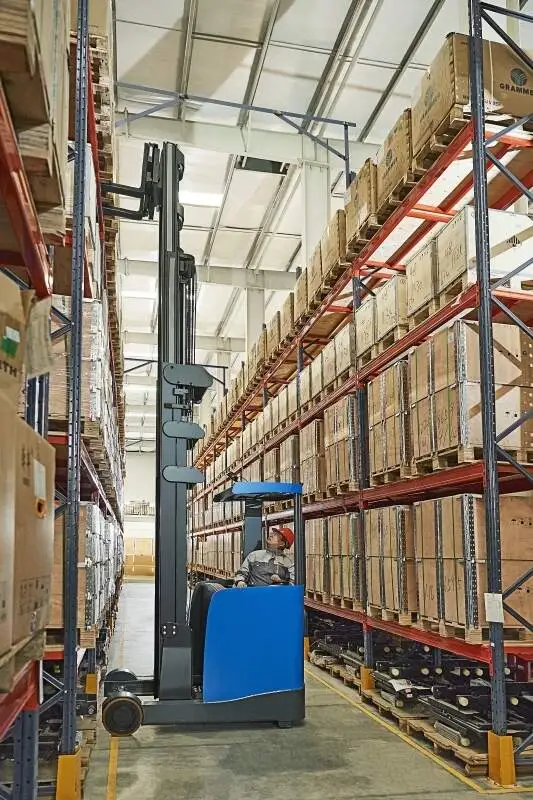
Indoor warehouse operations demand material handling solutions that balance efficiency, safety, and compliance with indoor environment standards. electric forklifts have become a preferred option for many warehouse managers, offering a range of practical advantages over traditional combustion-powered alternatives.
One of the most critical benefits of electric forklifts in indoor settings is their zero-emission operation. Unlike combustion models that release harmful exhaust fumes containing carbon monoxide and other pollutants, electric forklifts run on rechargeable batteries and produce no tailpipe emissions. This is especially vital in enclosed warehouse spaces with limited ventilation, where poor air quality can compromise worker health and lead to non-compliance with occupational safety regulations. By choosing electric forklifts, warehouses can maintain cleaner air, reducing the risk of respiratory issues among staff and creating a healthier work environment.
Another key advantage is their low noise output. Combustion engines generate significant noise, which can cause worker fatigue, hinder communication, and create a stressful atmosphere. Electric forklifts operate much more quietly, minimizing noise pollution in the warehouse. This quieter operation allows for clearer communication between team members, reduces the risk of accidents caused by misheard instructions, and even makes it possible to operate forklifts in areas adjacent to office spaces without disrupting daily work.
Electric forklifts also offer reduced maintenance requirements compared to their combustion counterparts. Combustion engines have numerous moving parts that require regular servicing, such as oil changes, fuel filter replacements, and spark plug checks. Electric models, on the other hand, have fewer mechanical components that need routine maintenance. This translates to lower service costs, less downtime for repairs, and longer overall equipment lifespans, especially when used in the controlled indoor environment where they are not exposed to harsh weather conditions or rough terrain.
Safety is another area where electric forklifts excel in indoor warehouses. Many electric models come equipped with advanced safety features, including automatic braking systems, stability controls to prevent tipping, and ergonomic operator cabins that reduce driver fatigue. The quiet operation also ensures that workers can hear warning alarms and approaching equipment more easily, lowering the risk of collisions. Additionally, electric forklifts often have a more compact design, allowing for better maneuverability in narrow warehouse aisles, which is essential for navigating between storage racks and handling inventory efficiently without damaging goods or infrastructure.
Finally, electric forklifts offer greater energy efficiency and cost predictability. Rechargeable batteries can be charged during off-peak hours when electricity rates are lower, reducing operational costs. Unlike fossil fuels, which are subject to price fluctuations, electricity costs tend to be more stable, making it easier for warehouses to budget for their material handling expenses. Modern fast-charging technologies also minimize downtime, ensuring that forklifts are ready for use when needed throughout the workday.
In summary, electric forklifts provide a comprehensive set of practical advantages that make them an ideal choice for indoor warehouse operations. From improving air quality and reducing noise to cutting maintenance costs and enhancing safety, these machines help warehouses optimize their material handling processes while creating a more productive and compliant work environment.