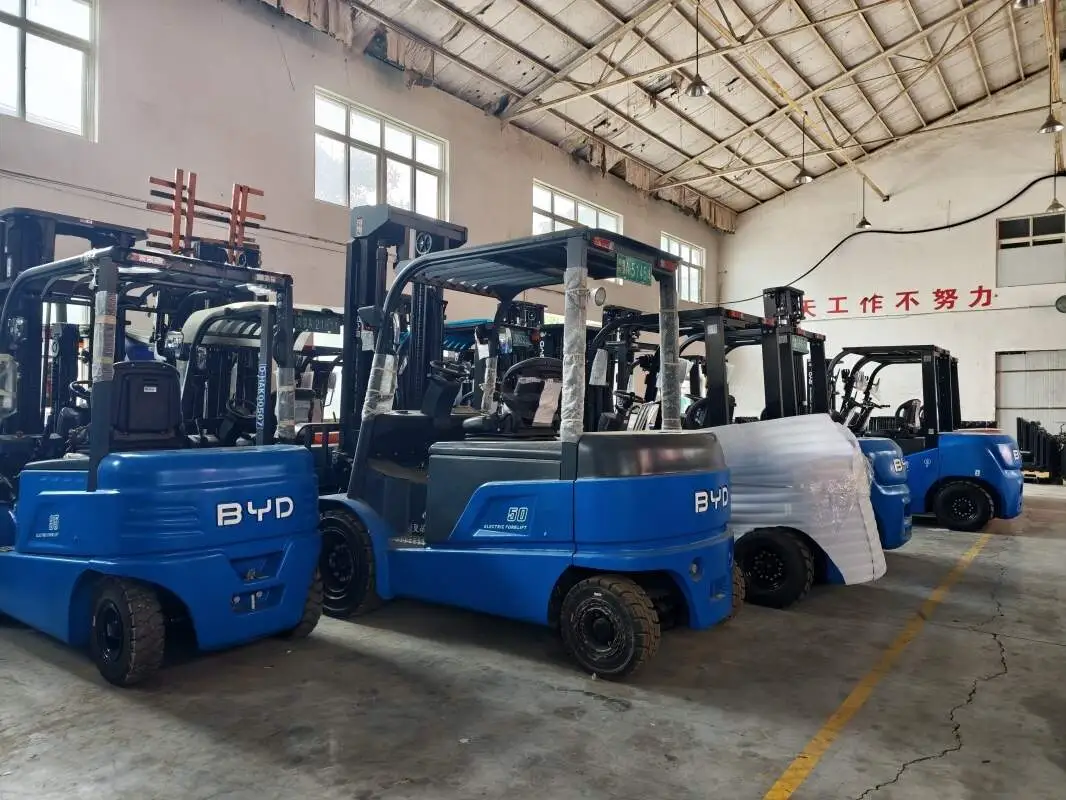
In modern warehouse operations, forklifts serve as the backbone of material handling, directly influencing daily efficiency, workplace safety, and overall operational costs. As businesses scale and industry standards evolve, identifying the right time to replace an existing forklift fleet becomes critical for sustaining competitive advantage. Ignoring warning signs can lead to prolonged downtime, avoidable safety incidents, and inflated long-term expenses.
First, escalating maintenance costs are a clear signal for replacement. If monthly repair bills consistently exceed 30% of a forklift’s current market value, or if unplanned breakdowns occur more than once per month, investing in new equipment is often more cost-effective than continuing to patch aging units. Frequent repairs disrupt workflow, delaying order fulfillment and reducing team productivity over time.
Second, rising safety risks cannot be overlooked. Aging forklifts tend to develop issues like worn brake systems, faulty steering mechanisms, or dim operational lighting—all of which increase the likelihood of workplace accidents. Older models may also lack modern safety features such as collision avoidance systems or ergonomic operator cabins, putting both staff and inventory at greater risk. Adhering to updated workplace safety regulations may also require upgrading to newer, compliant equipment.
Third, declining operational efficiency indicates a need for fleet renewal. Outdated forklifts typically have slower acceleration, lower load capacities, and longer refueling or charging times compared to modern alternatives. These limitations create bottlenecks in material handling processes, especially during peak demand periods, leading to longer lead times and potential customer dissatisfaction.
Fourth, excessive energy consumption is another key indicator. Older forklifts, regardless of power source, often have lower energy efficiency. Over months and years, higher fuel or electricity costs add up significantly, making new, energy-efficient models a more economical long-term choice.
Finally, non-compliance with regulatory standards is a pressing reason to upgrade. Many regions have implemented stricter emission rules for internal combustion forklifts, or updated safety standards that older models fail to meet. Continuing to use non-compliant equipment can result in fines, legal penalties, and reputational damage for your business.
When evaluating fleet replacement, conduct a comprehensive assessment of these indicators, balancing short-term costs against long-term benefits. A phased replacement plan can minimize operational disruption, allowing you to upgrade equipment gradually while maintaining workflow continuity. By recognizing these key signs, warehouse managers can make informed decisions that enhance safety, efficiency, and overall profitability.