Buying a pre-owned three-wheel forklift can be a cost-effective solution for businesses seeking material handling equipment without the high price tag of a new unit. However, to ensure you’re investing in a reliable, safe, and durable machine, a thorough condition check is essential. This checklist walks you through key areas to inspect before making a purchase.
Start with a visual walkaround to assess the forklift’s overall physical condition. Look for signs of excessive rust, dents, or cracks on the frame, mast, and body panels. Rust can indicate prolonged exposure to moisture or neglect, which may lead to structural weaknesses over time. Check the mast for bending or misalignment, as this can affect lifting capacity and stability. Inspect the tires for uneven wear, cracks, or punctures—worn tires compromise traction and can lead to unsafe operation, especially on slippery surfaces. Also, examine the fork tines for signs of bending, cracking, or excessive wear, as damaged tines pose a risk when lifting heavy loads.
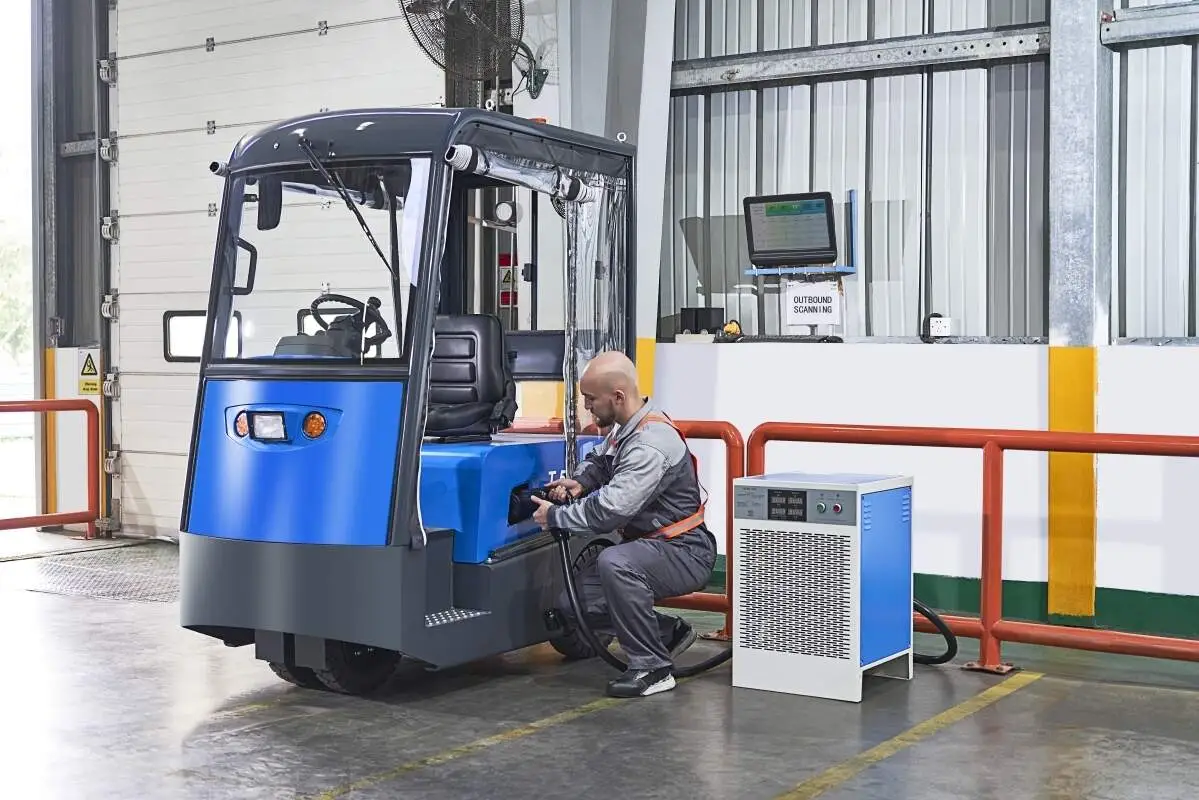
Since three-wheel forklifts are typically electric, focus on the battery and electrical components next. Check the battery for signs of corrosion on terminals, leaking fluid, or bulging casings—these are red flags of a failing battery. Ask for the battery’s maintenance history, including charging cycles and replacement dates, to gauge its remaining lifespan. Inspect the wiring harness for frayed wires, loose connections, or damaged insulation, which can cause electrical malfunctions. Test the battery’s voltage with a multimeter to ensure it holds a charge within standard recommended ranges. Additionally, check the charger to confirm it operates correctly, as a faulty charger can shorten battery life significantly.
A well-functioning chassis, steering, and braking system are critical for safe operation. Inspect the chassis for any signs of damage or weld repairs, which may indicate past accidents or unaddressed structural issues. Test the steering by turning the wheel in both directions—there should be no excessive play or stiffness, which could signal worn steering components. For the braking system, engage the brakes while the forklift is stationary to check for immediate responsiveness. Test the parking brake to ensure it holds the forklift securely on a slight incline. Inspect brake pads and discs for wear; thin pads or scored discs will need replacement soon, adding unexpected post-purchase costs.
Never overlook safety features during your inspection. Check the seatbelt for fraying or damage, and ensure it latches securely every time. Inspect the overhead guard for cracks or structural damage, as it’s designed to protect the operator from falling objects in busy work environments. Test all lights—including headlights, taillights, and turn signals—to ensure they work properly, as visibility is key for safe operation in dim warehouses or outdoor spaces. Check the horn to confirm it’s loud enough to alert nearby workers or equipment. Also, inspect the control levers for smooth operation; they should move without sticking or excessive resistance, which could indicate hydraulic issues.
Finally, conduct a test drive to evaluate the forklift’s performance in real-world conditions. Operate the forklift in an open, safe area, testing its acceleration, deceleration, and tight turning radius—critical for maneuvering in narrow warehouse aisles. Lift and lower the mast to check for smooth, consistent movement, and test the tilt function to ensure it operates correctly without jerking. Try lifting a moderate load to assess the forklift’s stability and lifting capacity, ensuring it handles the weight without swaying or straining. Listen for unusual noises, such as grinding, squealing, or rattling, which can indicate hidden mechanical problems. Pay attention to how the forklift handles—any persistent vibrations or jerky movements may signal issues with the transmission or hydraulic system.
By following this comprehensive condition checklist, you can make an informed decision when shopping for a pre-owned three-wheel forklift. Taking the time to inspect each key area helps you identify potential issues early, avoid costly post-purchase repairs, and ensure you’re investing in a machine that meets your business’s material handling needs safely and efficiently.