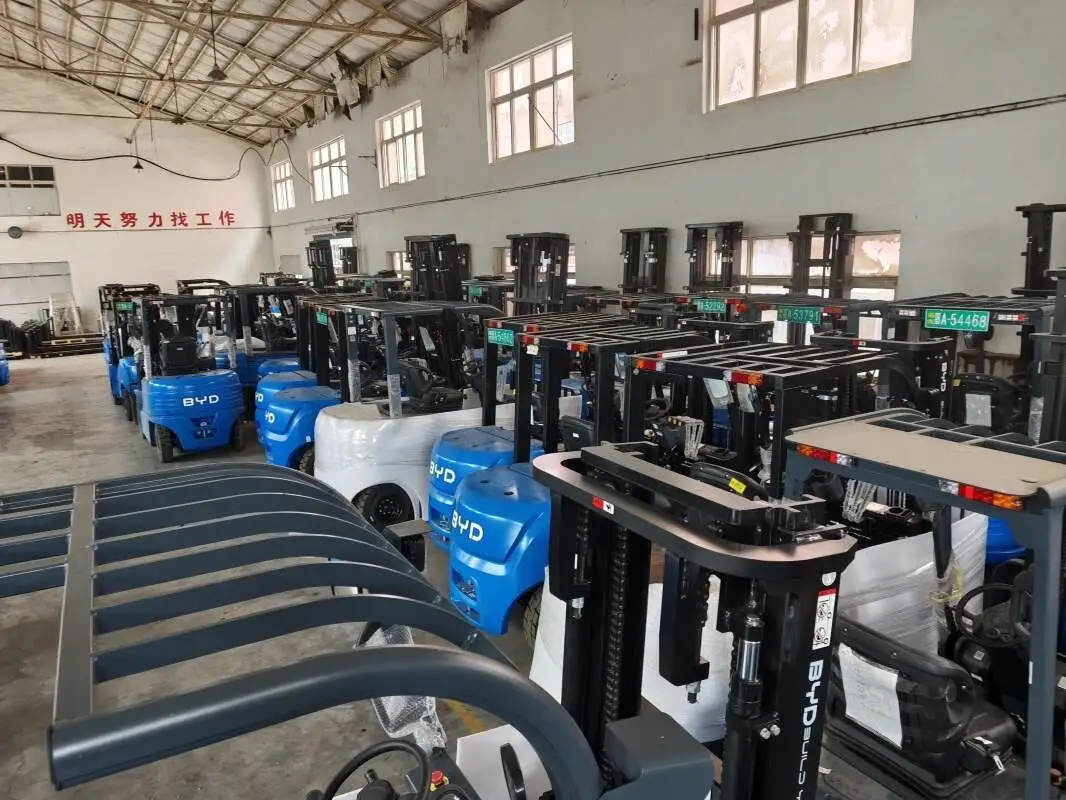
The industrial sector in India has seen steady expansion in recent years, fueling growing demand for material handling equipment like forklifts. As a core component of electric forklifts, forklift batteries have become a key consideration for businesses aiming to balance operational costs and efficiency. Grasping current market trends and having clear buying references is vital for making informed decisions.
Current Market Trends for Forklift Battery Prices
Raw material cost volatility is a primary driver of forklift battery price changes in India. Both lead-acid and lithium-ion batteries depend on materials such as lead, lithium, and cobalt. Global fluctuations in these commodities directly affect manufacturing costs, leading to periodic price adjustments. Supply chain disruptions or heightened demand from other industries can temporarily push up battery prices.
Government efforts to promote clean energy and sustainable practices have also reshaped the market. With a focus on reducing carbon emissions, many businesses are shifting from internal combustion forklifts to electric models. This transition has boosted demand for forklift batteries, especially lithium-ion variants that offer longer lifespans and lower maintenance needs. As demand outpaces supply in some segments, premium lithium-ion battery prices have seen a moderate upward trend, while lead-acid battery prices remain relatively stable due to mature production processes and ample supply.
Market competition further influences price dynamics. The presence of multiple local and international manufacturers has created a competitive landscape, particularly for lead-acid batteries. This competition often stabilizes prices for entry-level and mid-range products, making them more accessible to small and medium-sized enterprises.
Practical Buying References
When purchasing a forklift battery, businesses should first assess their operational requirements. Factors like daily usage duration, charging infrastructure, and maintenance capabilities should guide the choice between lead-acid and lithium-ion batteries. Lead-acid batteries suit businesses with lower usage intensity and limited charging facilities, thanks to their lower upfront cost. Lithium-ion batteries, by contrast, are ideal for high-demand operations, offering faster charging and longer cycle lives that reduce long-term costs despite a higher initial price.
Calculating total cost of ownership (TCO) is critical beyond the initial purchase price. This includes maintenance costs, replacement frequency, energy efficiency, and downtime. For example, lithium-ion batteries require less frequent maintenance and have longer lifespans, offsetting their higher upfront cost over time. Businesses should conduct a thorough TCO analysis to determine which battery type offers better value for their specific needs.
Supplier reliability is another key factor. Choosing a supplier with a proven track record of quality products and responsive after-sales service ensures prompt resolution of battery issues, minimizing operational downtime. Checking warranty terms is also advisable, as longer warranties provide added protection against manufacturing defects or premature failure.
In conclusion, navigating India’s forklift battery market requires an understanding of current price trends and a strategic purchasing approach. By evaluating operational needs, calculating total ownership costs, and selecting reliable suppliers, businesses can choose forklift batteries that align with their budget and efficiency goals, supporting smooth and cost-effective material handling operations.