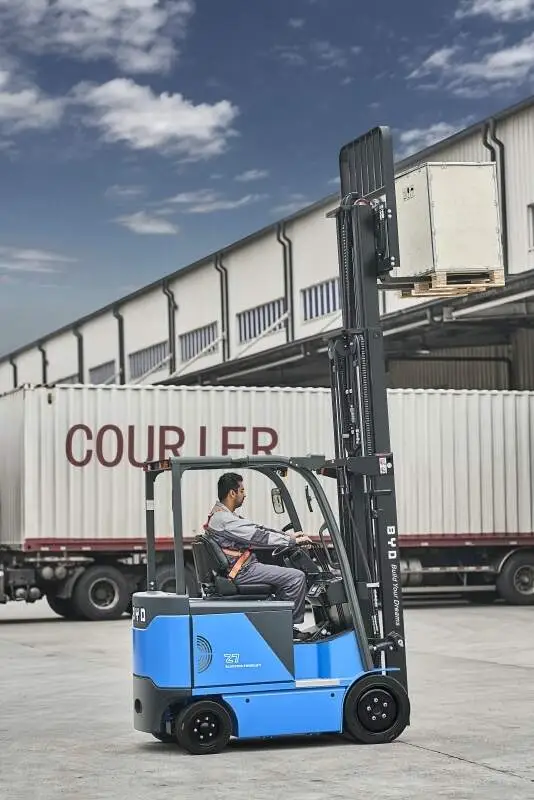
The demand for electric forklifts in the U.S. industrial and commercial sectors has surged in recent years, driven by growing focus on sustainability, lower operational costs, and stricter emissions regulations. For businesses seeking to source these equipment locally, having a reliable reference for domestic manufacturers is critical to ensuring quality, compliance, and long-term operational efficiency.
When evaluating U.S.-based electric forklift manufacturers, the first key factor to prioritize is regulatory compliance. Reputable manufacturers adhere to strict standards set by the Occupational Safety and Health Administration (OSHA) for equipment safety, as well as Environmental Protection Agency (EPA) guidelines for zero-emission performance. Compliance ensures that the forklifts meet safety requirements for operators and align with state-level emissions policies, reducing the risk of fines or operational disruptions.
Next, assess the manufacturer’s production capacity and customization capabilities. Different businesses have unique operational needs—from narrow-aisle warehouse operations that require compact forklifts to heavy-duty industrial environments needing high-load capacity models. A reliable manufacturer should offer a range of standard models while also providing options to customize features such as battery type, lift height, and control systems to match specific workflow demands. This flexibility ensures that the equipment integrates seamlessly with existing operations.
After-sales support is another essential consideration. Electric forklifts rely on specialized components like lithium-ion batteries and electronic control systems, which require regular maintenance and occasional repairs. U.S.-based manufacturers typically offer more accessible support, including local parts distribution networks, on-site repair services, and operator training programs. Prompt and reliable after-sales service minimizes downtime, which is crucial for maintaining productivity in fast-paced industrial settings.
Checking customer testimonials and industry reputation is also vital. Look for manufacturers with a track record of delivering consistent quality and reliable equipment. Reach out to other businesses in your sector to gather feedback on their experiences with specific manufacturers, or review industry publications and trade associations for insights into top-performing suppliers. A manufacturer with positive reviews and a strong presence in the U.S. market is more likely to deliver on their promises.
Finally, balance cost with overall value. While upfront purchase price is a factor, it’s important to calculate the total cost of ownership (TCO) over the equipment’s lifespan. Electric forklifts have lower fuel and maintenance costs compared to gas-powered models, but differences in battery lifespan, energy efficiency, and warranty coverage can impact long-term expenses. Evaluate quotes from multiple manufacturers to find a solution that offers the best combination of quality, features, and cost-effectiveness.
By focusing on these key areas—regulatory compliance, production flexibility, after-sales support, industry reputation, and total cost of ownership—businesses can make informed decisions when sourcing electric forklifts from U.S.-based manufacturers. This reference helps streamline the selection process, ensuring that the chosen supplier meets both immediate operational needs and long-term sustainability goals.