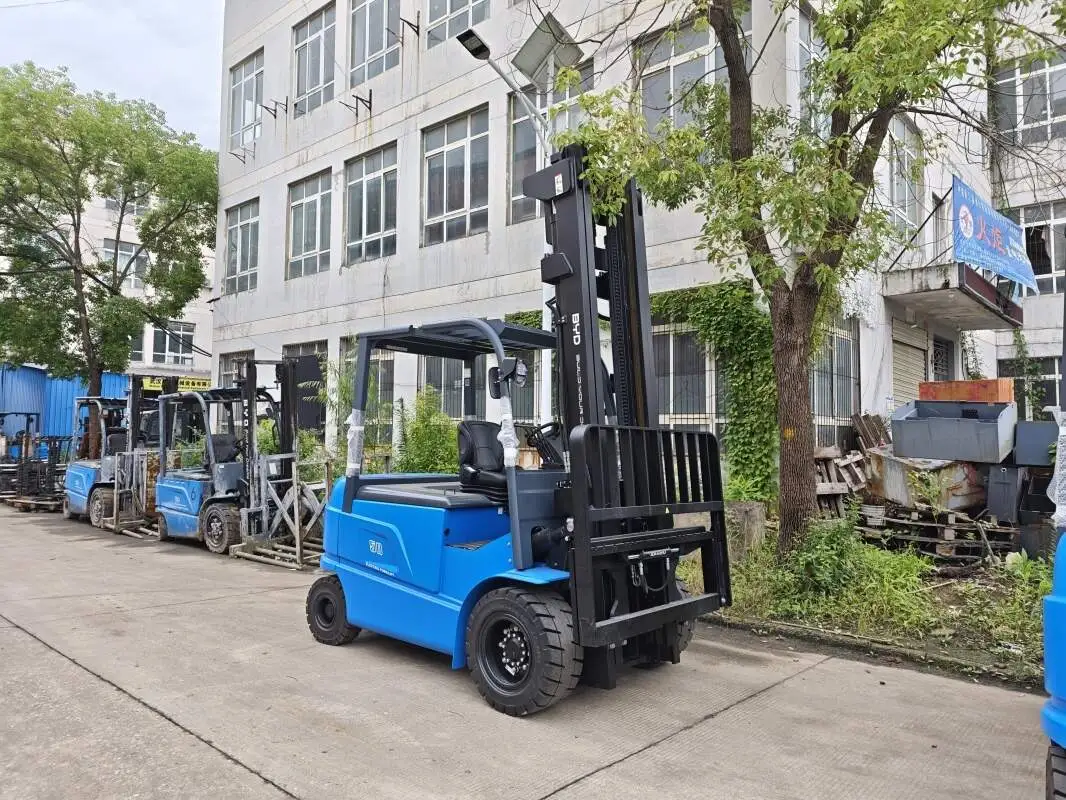
In terminal operations, container forklifts play a pivotal role in moving heavy cargo efficiently, making their pricing a critical consideration for operators aiming to balance performance and cost-effectiveness. Understanding the factors that drive container forklift prices helps businesses make informed decisions aligned with their operational needs and budget constraints.
Load capacity is one of the primary determinants of container forklift pricing. Forklifts designed to handle heavier loads, such as 40-ton containers, require robust structural components, high-power engines, and reinforced lifting mechanisms. These features increase manufacturing costs, resulting in a higher upfront price compared to forklifts with lower load capacities, like those suitable for 20-ton containers. Operators must assess their daily cargo volume and typical container weights to select a forklift that matches their needs without overpaying for excessive capacity.
Fuel type also significantly impacts container forklift prices. Diesel-powered forklifts generally have a lower upfront cost, as their engine technology is well-established and widely available. However, they may incur higher long-term operational costs due to fuel consumption and emissions-related maintenance. electric forklifts, by contrast, have a higher initial price tag due to advanced battery systems and charging infrastructure requirements. Yet, they offer lower fuel costs and reduced maintenance needs over their lifecycle, making them a cost-effective choice for terminals with consistent, indoor or low-emission operation requirements.
Technological features integrated into container forklifts can further influence pricing. Advanced systems like automated navigation, real-time cargo weighing, collision avoidance sensors, and telematics for remote monitoring enhance operational efficiency and safety but add to the overall cost. While these features may increase upfront expenses, they can reduce human error, minimize downtime, and improve long-term productivity, justifying the investment for terminals with high-volume operations or complex cargo handling needs.
Maintenance and lifecycle costs are often overlooked but critical factors affecting the total cost of owning a container forklift. Forklifts designed with easily accessible components, standardized parts, and durable materials may have a slightly higher upfront price but lower long-term maintenance costs. Conversely, forklifts with specialized components or complex designs can lead to higher repair expenses and longer downtime, increasing the overall cost of ownership over time. Operators should evaluate not just the initial purchase price but also the estimated annual maintenance costs and expected lifespan when comparing options.
Market dynamics also play a role in container forklift pricing. Fluctuations in raw material costs, such as steel and aluminum, can impact manufacturing expenses and lead to price adjustments. Additionally, supply and demand imbalances in the industrial equipment market—driven by factors like global trade volumes, terminal expansion projects, or supply chain disruptions—can cause temporary price increases or decreases. Staying informed about market trends helps operators time their purchases to secure more favorable pricing.
In conclusion, container forklift prices are influenced by a combination of technical specifications, operational needs, and market conditions. By evaluating these factors comprehensively, terminal operators can select a forklift that meets their performance requirements while optimizing their long-term investment. Balancing upfront costs with operational efficiency and lifecycle expenses is key to making a cost-effective choice that supports smooth and profitable terminal operations.