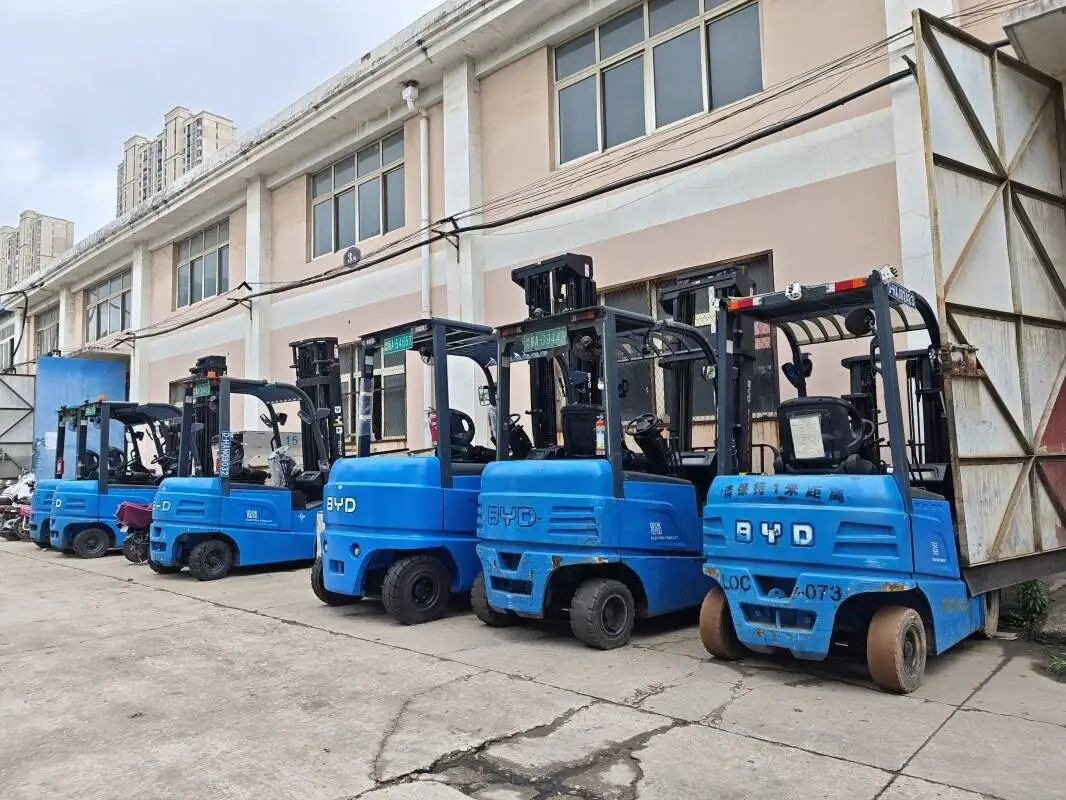
Choosing the right Deka 36V forklift battery is critical for maintaining the reliable performance of your electric lifts in industrial and warehouse settings. A well-matched battery not only supports daily operational demands but also contributes to long-term cost efficiency and equipment longevity. This guide outlines key considerations to help you make an informed decision when selecting a Deka 36V forklift battery.
First, start by evaluating your electric lift’s specific capacity requirements. Consider the typical load weight your forklift carries on a daily basis, as well as the number of hours it operates continuously without recharging. Higher load demands and longer shift times will require a battery with greater ampere-hour (Ah) rating. It’s important to balance your immediate operational needs with realistic charging schedules to avoid overtaxing the battery or facing unexpected downtime. For example, if your forklift operates 8-hour shifts with moderate to heavy loads, a battery with a higher Ah rating will ensure consistent power delivery throughout the shift.
Next, examine the battery’s lifespan and cycle performance. The number of charge-discharge cycles a battery can endure before its capacity drops to a specified level is a key indicator of its durability. Look for batteries designed to handle frequent deep discharges if your operations require extended use between charges. Additionally, consider the battery’s efficiency in retaining charge during periods of inactivity, as this can affect readiness for early-morning or emergency operations. Proper charging practices will also extend the battery’s lifespan, so it’s beneficial to align your battery choice with your existing charging infrastructure capabilities.
Maintenance requirements are another crucial factor. Some Deka 36V forklift batteries may require regular watering, terminal cleaning, and equalization charging to maintain optimal performance. Evaluate your team’s ability to perform these tasks consistently, as neglecting maintenance can lead to reduced battery life and increased operational costs. Alternatively, low-maintenance options are available for facilities with limited maintenance resources, though they may have different cost considerations. Ensure your workspace has adequate ventilation for battery charging areas, as improper ventilation can pose safety risks and impact battery performance over time.
Compatibility with your electric lift and adherence to safety standards cannot be overlooked. Verify that the physical dimensions of the battery fit within your forklift’s battery compartment, including clearance for installation and maintenance access. Check that the battery’s voltage and terminal configuration match your lift’s electrical system to prevent compatibility issues that could damage both the battery and the equipment. Additionally, confirm that the battery meets relevant industry safety standards for electrical and chemical safety, which helps protect your operators and workplace from potential hazards.
In summary, selecting a Deka 36V forklift battery requires a holistic approach that considers operational demands, lifespan, maintenance needs, and compatibility. By taking the time to evaluate each of these factors, you can choose a battery that supports efficient, safe, and reliable performance from your electric lifts, ultimately contributing to smoother daily operations and reduced long-term costs.