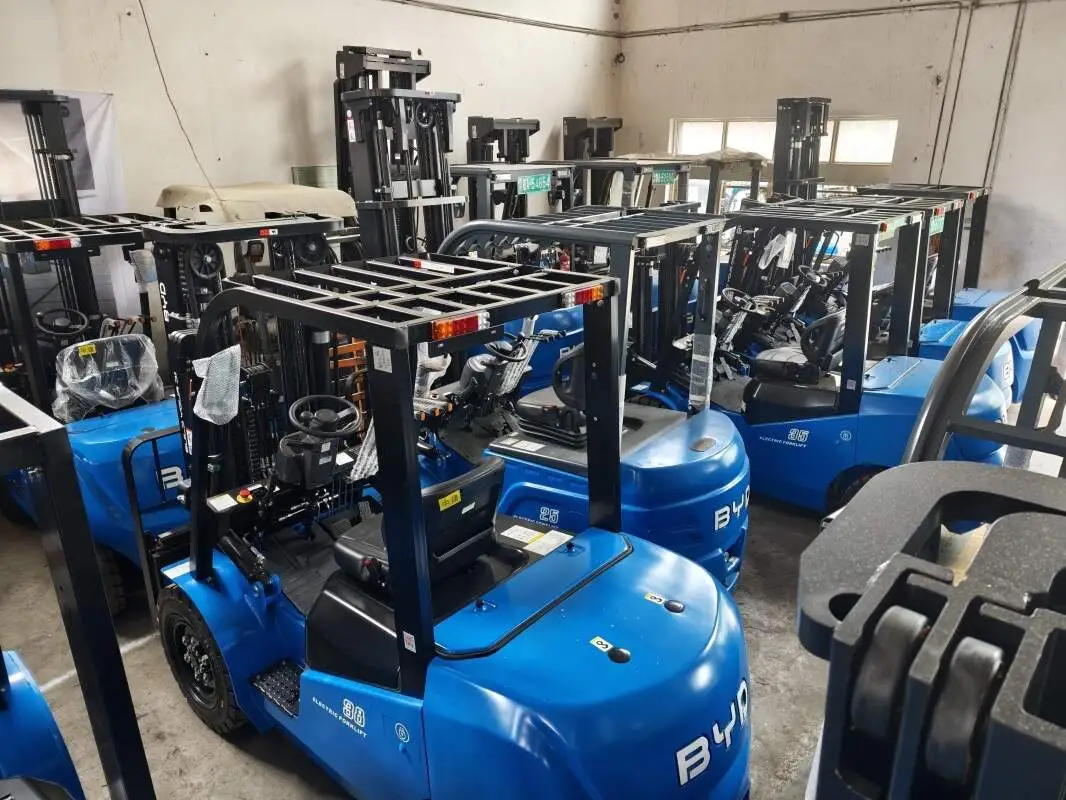
For many businesses relying on material handling operations, renting electric forklifts offers a flexible, cost-effective alternative to purchasing. However, the final monthly rental expense is not a fixed figure—it is shaped by a range of contract variables that require careful consideration before signing an agreement. Understanding these factors can help businesses negotiate favorable terms and align rental costs with their operational needs and budget.
One of the most impactful variables is the lease duration. Long-term leases, typically spanning 12 to 36 months, often come with lower monthly rates compared to short-term rentals of a few weeks or months. This is because suppliers benefit from the stability of a long-term commitment, reducing their risk of equipment downtime between tenants. Additionally, some contracts include renewal clauses that lock in favorable rates for extended periods, while others may impose higher rates if the lease is extended beyond the initial term without prior negotiation.
Equipment specifications also play a significant role in determining monthly rental costs. Electric forklifts vary widely in capabilities, such as load capacity, lifting height, and battery type. Forklifts designed for heavy-duty tasks, with higher load capacities and taller lifting heights, command higher monthly fees due to their increased operational value. Similarly, forklifts equipped with lithium-ion batteries, which offer longer runtime and faster charging compared to lead-acid alternatives, often have higher rental costs, though they may reduce long-term operational expenses by minimizing downtime.
Maintenance and repair clauses are another key variable to evaluate. Some rental contracts include full maintenance coverage, which includes routine servicing, replacement parts, and emergency repairs. While this adds to the monthly rental cost, it eliminates unexpected out-of-pocket expenses that can disrupt budget planning. In contrast, contracts that shift maintenance responsibilities to the tenant typically have lower monthly rates, but require businesses to budget for routine upkeep and potential repair costs, which can vary significantly depending on equipment usage and wear.
Additional services and add-ons can also increase monthly rental expenses. These may include operator training programs, 24/7 emergency support, access to backup forklifts during maintenance, or specialized attachments like side shifters or fork positioners. While these services can enhance operational efficiency, they are often optional and come at an extra cost. Businesses should assess their specific needs to determine which add-ons are essential, avoiding unnecessary expenses that do not contribute to their core operations.
Finally, payment terms and discount structures can influence the effective monthly rental cost. Some suppliers offer discounts for upfront payments or automatic monthly withdrawals, reducing the overall expense over the lease term. Conversely, contracts with late payment fees or variable interest rates for deferred payments can increase the total amount paid over time. It is important for businesses to review these terms carefully and negotiate payment structures that align with their cash flow cycles.
By taking the time to analyze these contract variables, businesses can make informed decisions when renting electric forklifts. Balancing operational requirements with cost considerations allows organizations to secure rental agreements that provide value without straining their budget, ensuring smooth and efficient material handling operations.