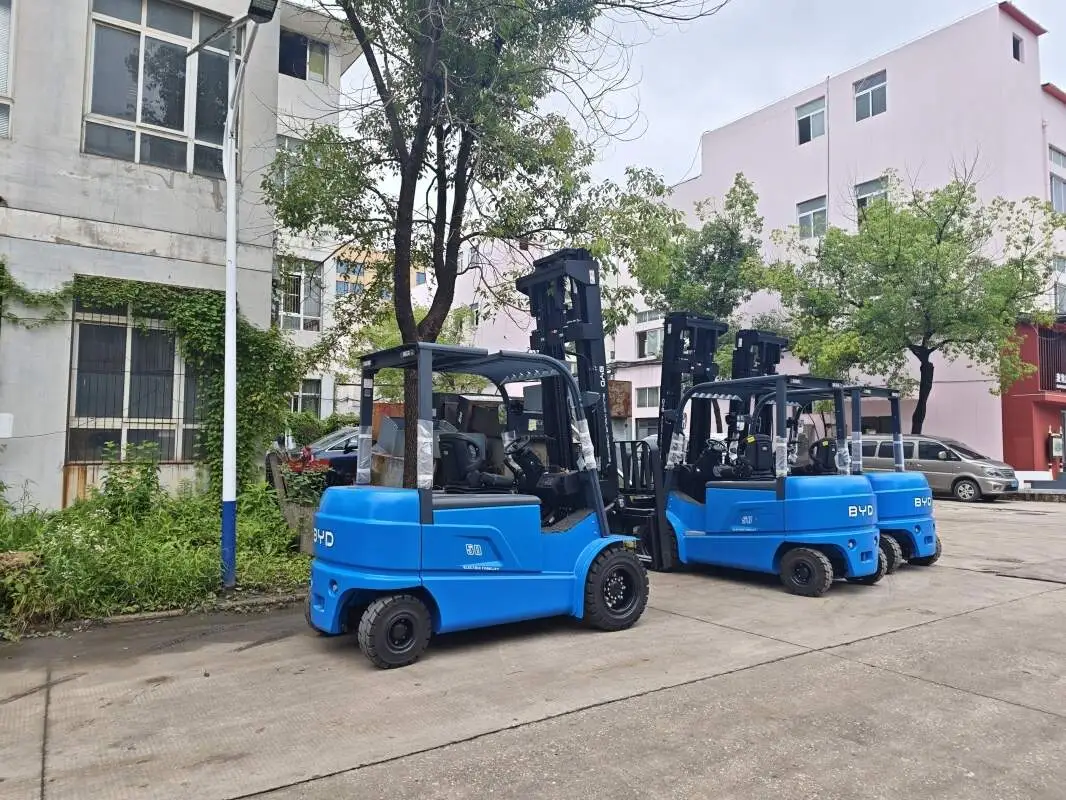
Mini forklifts have become a practical helper for various home tasks, from moving heavy garden supplies to storing bulk items in garages or sheds. However, to ensure safe, efficient, and damage-free operation, it’s critical to understand and adhere to specific operating boundaries. Ignoring these limits can lead to equipment damage, property harm, or even personal injury. This guide outlines key operating boundaries to observe when using a mini forklift for residential tasks.
Load Capacity Boundaries
Every mini forklift comes with a specified maximum load capacity, which must never be exceeded. Even slightly overloading the forklift can compromise its stability, making it prone to tipping over, especially when lifting loads to height. Additionally, unevenly distributed loads can shift during operation, further increasing safety risks. Always check the manufacturer’s guidelines for the exact load limit, and ensure loads are balanced securely on the forks before lifting. For home tasks like moving stackable firewood or heavy planters, break large loads into smaller, manageable batches if they exceed the recommended capacity.
Terrain and Surface Limits
Mini forklifts are designed for specific terrain types, and operating them outside these boundaries can cause mechanical strain or accidents. Avoid using the forklift on soft, muddy, or uneven ground, as these surfaces can lead to sinking, loss of traction, or instability. Steep slopes are another critical boundary; most residential mini forklifts are not built to handle gradients steeper than 10-15 degrees. If you need to operate the forklift on a slight incline, travel with the load facing uphill to maintain balance. Paved driveways, concrete garage floors, and level, compacted lawn areas are ideal surfaces for safe mini forklift operation.
Operational Space Boundaries
Sufficient space is essential for safe mini forklift maneuvering. Before starting any task, assess the area to ensure there’s enough room to turn, lift, and lower loads without obstacles. Avoid operating the forklift in narrow passages or tight corners where the vehicle or load might collide with walls, furniture, or outdoor structures. For indoor tasks like organizing a garage, clear away clutter and mark off a dedicated operating zone to prevent accidental collisions. When reversing, always use the forklift’s rearview mirrors (if available) or have a spotter guide you to avoid blind spots.
Height and Clearance Restrictions
Understanding height boundaries is crucial to prevent damage to ceilings, overhead beams, or tree branches when lifting loads. Each mini forklift has a maximum lifting height, which should not be exceeded even for light loads. When operating indoors, measure the ceiling height beforehand to ensure the forklift can lift loads without hitting overhead structures. Outdoors, be mindful of low-hanging branches or utility lines, especially when moving loads across a yard. Always lift loads only as high as necessary to complete the task, reducing the risk of instability and collisions.
Safety Zone Boundaries
Establishing clear safety zones around the forklift during operation is a key boundary to protect both the operator and bystanders. Keep children, pets, and other family members at least 10 feet away from the operating area at all times. Avoid operating the forklift near walkways, patios, or other high-traffic areas where people might accidentally enter the zone. If you need to leave the forklift unattended, lower the forks to the ground, engage the parking brake, and turn off the engine to prevent unauthorized use or accidental movement.
By adhering to these operating boundaries, you can make the most of your mini forklift for home tasks while minimizing safety risks and equipment damage. Always review the operator’s manual for model-specific guidelines, and take time to practice basic maneuvers in an open, safe area before tackling more complex tasks. Prioritizing safety and following these limits ensures that your mini forklift remains a reliable tool for years to come.