When evaluating new electric forklift price quotes, focusing solely on the bottom-line cost can lead to costly mistakes down the line. To make an informed purchasing decision that aligns with your operational needs and long-term budget, it’s essential to compare key specification parameters that directly impact performance, efficiency, and total cost of ownership.
Load capacity is one of the most fundamental parameters to assess. This refers to the maximum weight a forklift can safely lift and transport. Different operational environments require varying load capacities—for instance, a facility handling light pallets in a retail warehouse may need a lower capacity model, while a site moving heavy materials will require a higher capacity unit. Choosing a forklift with insufficient load capacity risks safety hazards and operational delays, while opting for an overly powerful model increases upfront costs and unnecessary energy consumption.
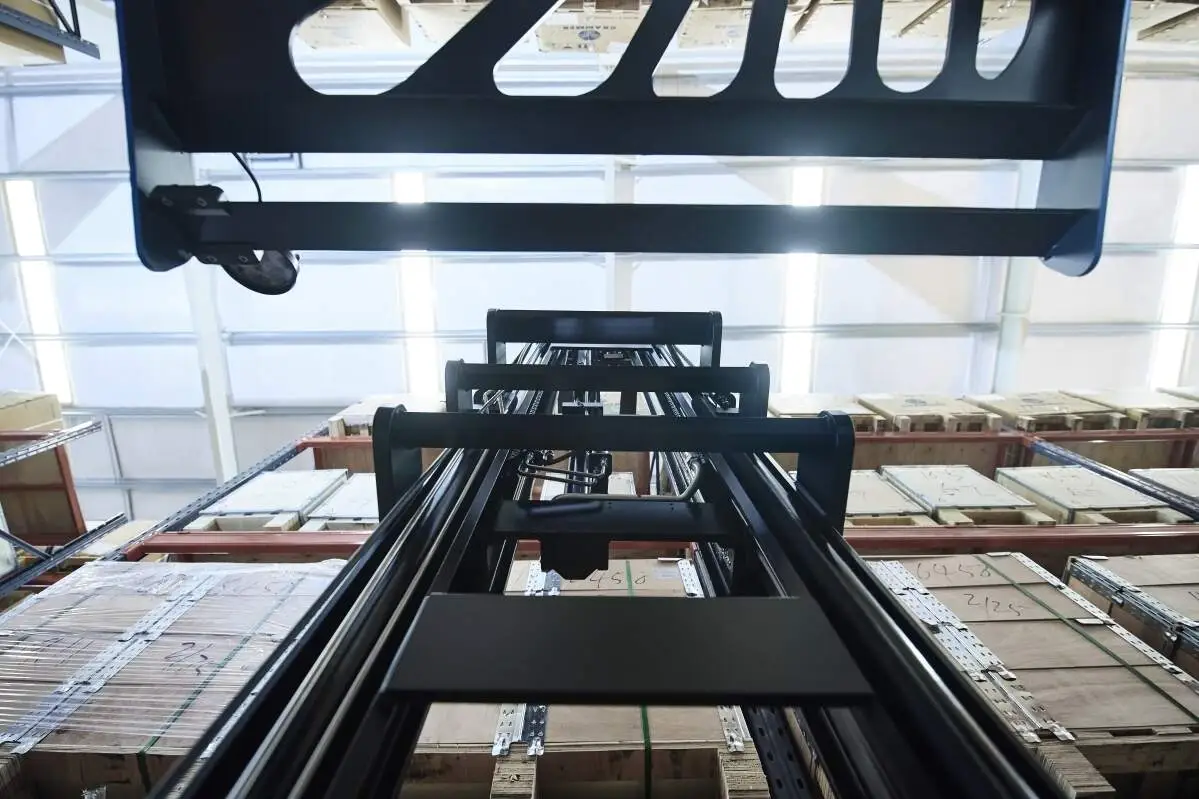
Lift height is another critical factor, especially for warehouse operations with high storage racks. The maximum lift height determines how high the forklift can raise a load, which must match the height of your storage systems. If the lift height falls short, you won’t be able to utilize upper rack space effectively, limiting your storage capacity. Conversely, a lift height that exceeds your needs adds to the forklift’s price and may reduce maneuverability in tighter spaces.
Battery performance directly impacts operational uptime. Key aspects to consider include battery life (how long the forklift can run on a single charge) and charging time. For facilities with extended shift hours or continuous operations, a forklift with a longer battery life and fast-charging capabilities is essential to minimize downtime. Additionally, battery maintenance needs can influence long-term costs, as some setups require more frequent servicing than others.
Maneuverability is vital for operations in narrow spaces, such as compact warehouses or crowded loading docks. Parameters like turning radius and overall width determine how easily the forklift can navigate tight corners and narrow aisles. A forklift with a smaller turning radius can operate more efficiently in confined areas, reducing the risk of collisions and improving workflow. However, models with enhanced maneuverability may have trade-offs in load capacity or lift height, so it’s important to balance these factors based on your specific workspace layout.
Don’t overlook maintenance requirements when comparing quotes. Some electric forklifts have more complex components that require specialized servicing, which can increase long-term operational costs. Look for details related to maintenance intervals, ease of access to key components, and the availability of replacement parts. A forklift with straightforward maintenance needs can reduce downtime and lower ongoing expenses, making it a more cost-effective choice over time.
In conclusion, reviewing electric forklift price quotes requires a holistic approach that goes beyond just the initial price tag. By carefully comparing these key parameters, you can select a forklift that not only fits your budget but also meets your operational needs efficiently. Taking the time to evaluate these factors will help you avoid costly errors and ensure a long-term return on your investment.