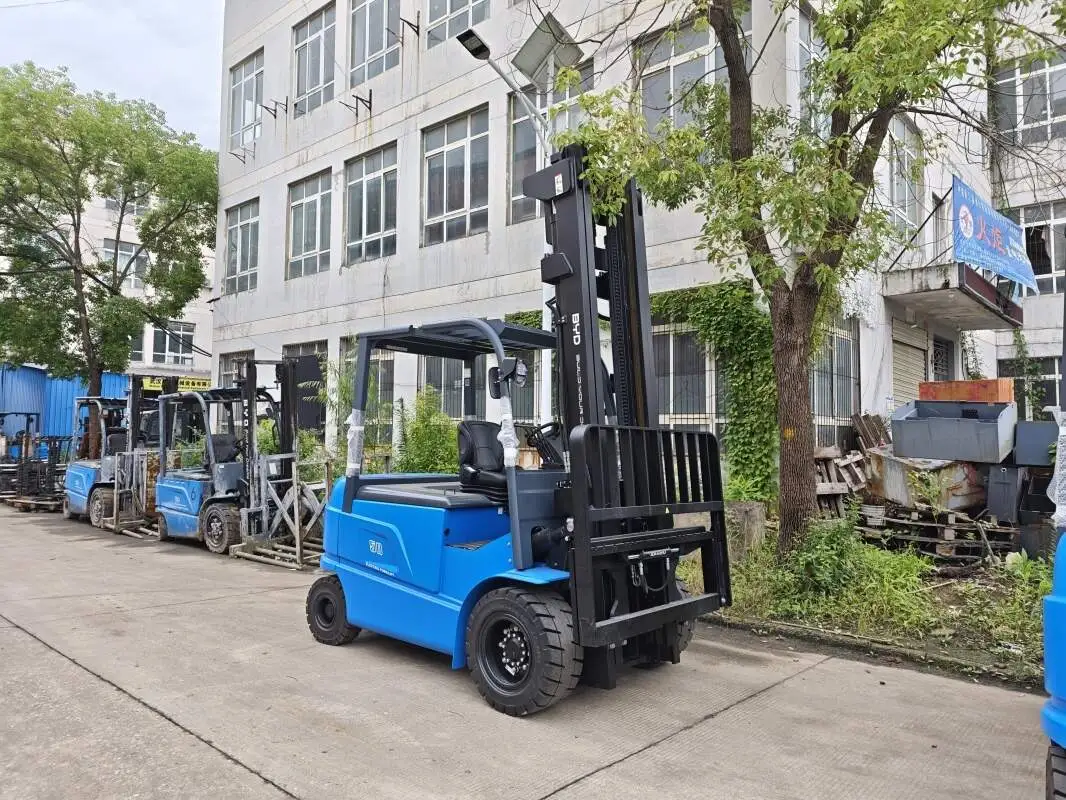
Forklifts are essential tools in warehouses, manufacturing facilities, and distribution centers, streamlining material handling tasks while posing significant safety risks if misused. The Occupational Safety and Health Administration (OSHA) has established comprehensive safety regulations to mitigate these risks, setting clear standards for forklift operations. Understanding the core content of these regulations is critical for employers and operators to maintain a safe work environment and avoid costly penalties.
OSHA mandates that all forklift operators must complete formal training before operating any equipment. This training combines classroom instruction covering load capacity, stability principles, and regulatory guidelines with hands-on practical training to develop operational skills. Employers are required to evaluate each operator’s competence regularly, with retraining necessary after incidents, equipment changes, or performance gaps to ensure ongoing compliance.
Proper operational practices form the backbone of OSHA’s forklift safety rules. Operators must adhere to load limits specified for each forklift type, ensuring loads are balanced and secured to prevent tipping. When driving, they must maintain safe speeds, yield to pedestrians at all times, and use caution in areas with limited visibility or uneven surfaces. On ramps, forklifts should travel with the load facing uphill to enhance stability, and operators must never leave a running forklift unattended without setting the parking brake and lowering the forks to a safe height.
Regular maintenance and pre-operation inspections are key to preventing equipment failures that could lead to accidents. OSHA requires daily inspections of critical components such as brakes, tires, forks, and hydraulic systems. Any defects or malfunctions must be reported immediately, and faulty equipment should be taken out of service until professional repairs are completed. Employers must also schedule periodic comprehensive maintenance to ensure forklifts remain in optimal working condition and meet regulatory standards.
Identifying and addressing workplace hazards is another core requirement of OSHA’s regulations. Employers must mark pedestrian walkways clearly, maintain clean and obstacle-free work areas, and provide adequate lighting in storage and loading zones. Operators are trained to recognize potential hazards like wet floors, low overhead clearances, and unstable loads, taking proactive measures to avoid accidents and protect themselves and co-workers.
Compliance with OSHA’s forklift safety regulations is not just a legal obligation—it is vital to protecting employees from injury and reducing workplace accidents. By prioritizing proper training, following operational protocols, maintaining equipment, and mitigating hazards, employers create a secure environment where forklift operations are efficient and safe, benefiting both staff and the business as a whole.