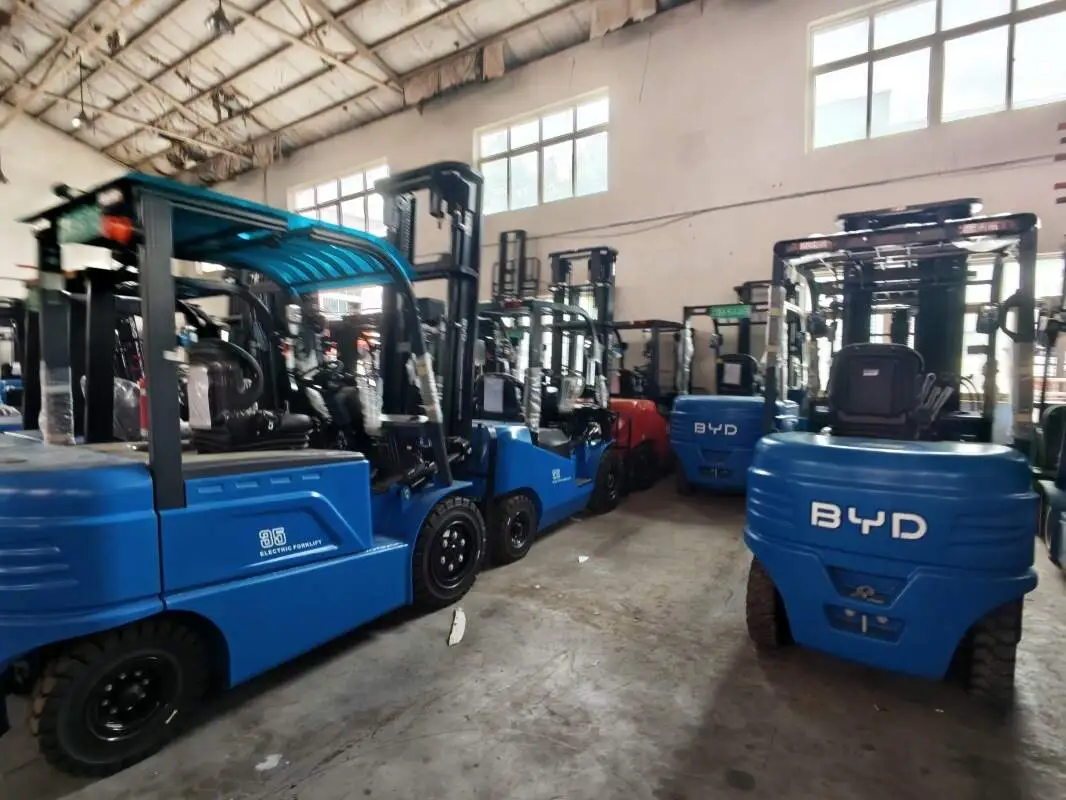
Forklifts are integral to logistics, warehousing, and construction operations across the UK, supporting efficient material handling and heavy-lifting tasks. However, their use carries inherent risks, which is why a robust framework of regulations governs forklift operations to protect workers, bystanders, and property. Understanding these rules is essential for businesses and operators to ensure compliance and maintain a safe working environment.
At the core of workplace safety in the UK lies the Health and Safety at Work etc. Act 1974. This overarching legislation places a duty on employers to ensure, so far as is reasonably practicable, the health, safety, and welfare of all employees and anyone affected by their business activities. For forklift operations, this means employers must conduct thorough risk assessments to identify potential hazards such as narrow aisles, uneven surfaces, or pedestrian traffic, then implement control measures like designated forklift zones or speed limits to mitigate these risks.
The Provision and Use of Work Equipment Regulations 1998 (PUWER) further specifies requirements for work equipment, including forklifts. Under PUWER, employers must ensure that forklifts are suitable for their intended use, maintained in a safe condition, and equipped with necessary safety features such as seatbelts, audible warning alarms, and clear load capacity indicators. Additionally, only trained and competent individuals are permitted to operate forklifts, with training tailored to the specific type of forklift and the unique working environment, such as cold storage sites or construction yards.
Complementing PUWER, the Lifting Operations and Lifting Equipment Regulations 1998 (LOLER) focuses on lifting operations and equipment. For forklifts, this requires that all lifting components, including forks, attachments, and hydraulic systems, are thoroughly examined by a competent person at regular intervals. Initial examinations must be carried out before a new or modified forklift is put into service, with subsequent inspections scheduled based on the frequency of use and the level of risk involved. Employers must keep detailed records of these examinations to demonstrate compliance during regulatory audits.
Operator competence is a non-negotiable pillar of forklift safety regulations. In the UK, operators must receive formal training that covers both theoretical knowledge and practical hands-on skills. Theoretical training includes topics such as load handling principles, forklift stability, hazard identification, and emergency response procedures. Practical training allows operators to practice maneuvering in controlled environments before working in live operational settings. Employers are responsible for verifying operator competence, which may involve periodic refresher training to ensure skills remain up to date, especially when introducing new forklift models or working in high-risk areas.
Beyond legislative requirements, daily best practices play a vital role in maintaining compliance. Operators must conduct pre-use checks before starting each shift, inspecting for issues such as faulty brakes, tire damage, or hydraulic leaks and reporting any problems immediately to supervisors. Employers must establish a scheduled maintenance program to address wear and tear, ensuring forklifts remain in safe working order. Workplace layouts should also be designed to minimize risks, with clear signage, designated pedestrian walkways, and adequate space for forklift maneuvering and turning.
Non-compliance with UK forklift regulations can result in severe consequences, including substantial fines, legal action, and increased risk of accidents and injuries. By adhering to these rules, businesses not only fulfill their legal obligations but also create a culture of safety that protects their workforce, reduces operational downtime, and enhances overall efficiency. Staying informed about updates to regulations and investing in ongoing training are critical steps to maintaining compliance and reducing risks associated with forklift operations across all UK industries.