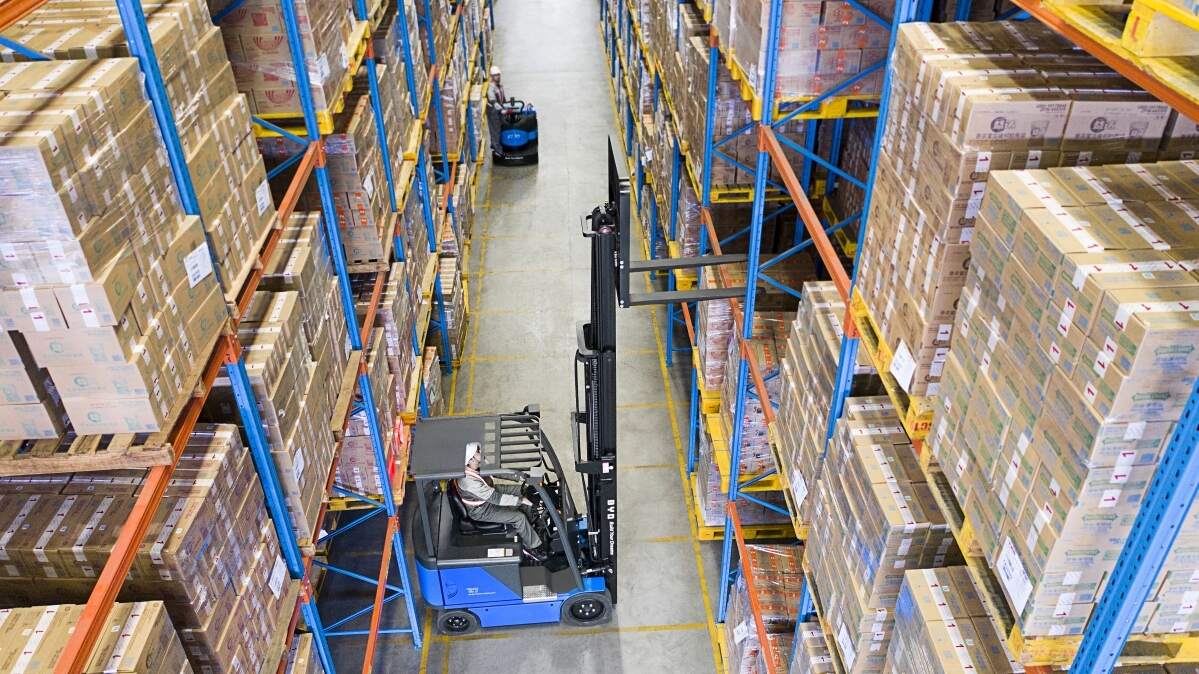
Selecting the right tonnage for an electric forklift is critical to ensuring safe, efficient, and cost-effective material handling operations. Choosing a tonnage that is too small can lead to overloading, equipment damage, and safety hazards, while an oversized forklift results in unnecessary energy consumption and higher operational costs. Below are the core factors to consider when determining the proper tonnage for your electric forklift.
Load requirements serve as the primary driver for tonnage selection. You must first identify the maximum weight of loads handled on a regular basis, accounting not just for the base weight of items but also any additional weight from packaging, pallets, or stacking. For instance, if your typical load weighs 2.5 tons, a 3-ton electric forklift offers a safe buffer to avoid straining the equipment. It’s also prudent to consider occasional heavier loads, as long as they stay within the forklift’s rated capacity.
The operating environment is another key consideration. In narrow warehouse aisles, a smaller-tonnage forklift with enhanced maneuverability may be more practical, even if load sizes could accommodate a larger model. Conversely, outdoor yards or construction sites with uneven terrain demand higher-tonnage forklifts with robust stability features to handle loads safely on rough surfaces. Additionally, floor strength must be evaluated—heavier forklifts require reinforced flooring to prevent structural damage to your facility.
Handling distance and frequency also influence tonnage choices. For operations involving frequent, long-distance load transport, a forklift that balances appropriate tonnage with energy efficiency is ideal. Higher-tonnage models may consume more battery power, so if your facility has limited charging infrastructure, opt for a tonnage that meets load needs without excessive energy drain. For short, repetitive lifts in confined spaces, a smaller, more agile forklift can boost productivity significantly.
Attachments and specialized needs must not be overlooked. Many operations use attachments like side shifters, fork positioners, or clamps, which add weight to the forklift and impact its lifting capacity. When selecting tonnage, factor in the weight of any attachments you plan to use, ensuring the combined weight of the load and attachments stays within the forklift’s rated capacity.
At Jianshu New Energy, we specialize in BYD electric forklifts, offering a range of tonnage options to meet diverse material handling needs. Whether you operate in a warehouse, manufacturing plant, or outdoor yard, our team can help you assess your requirements and select the perfect electric forklift. For more information or to consult with our experts, please reach out to us at 17399989919@163.com.