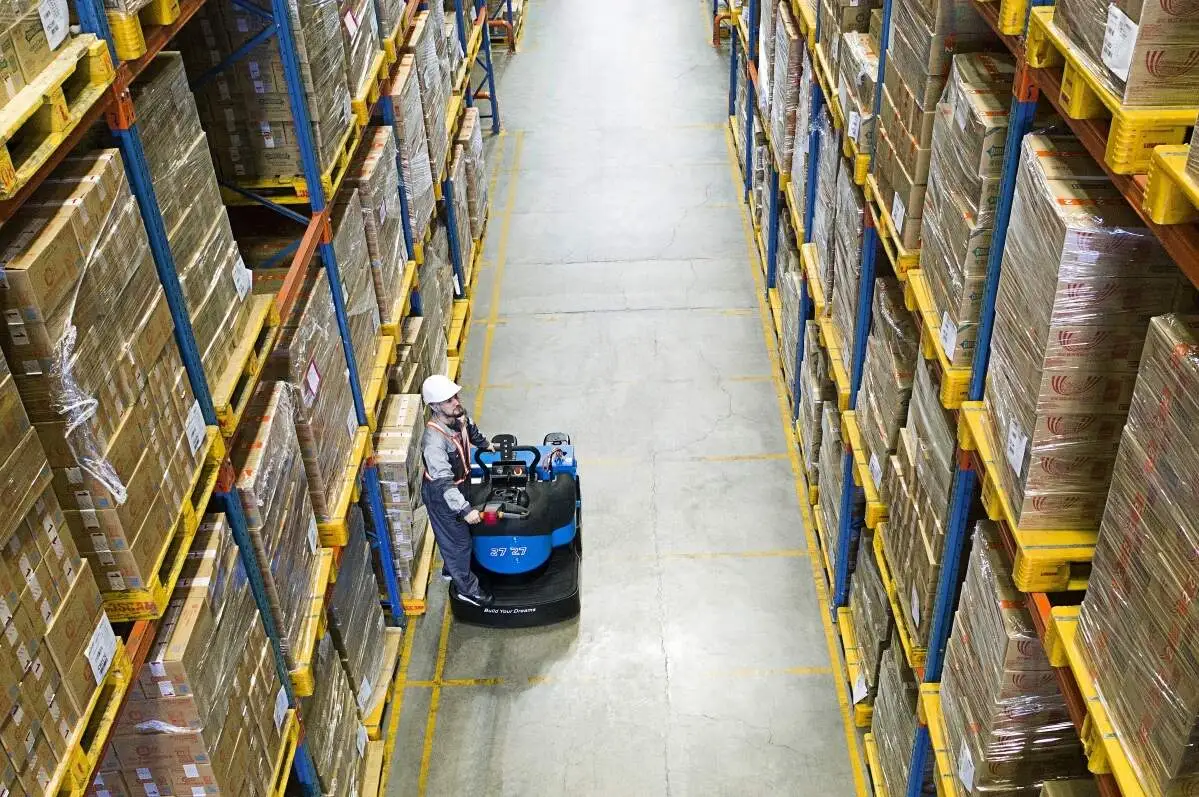
electric forklifts are reliable workhorses in warehouses, distribution centers, and manufacturing facilities, delivering efficient, eco-friendly material handling solutions. To sustain consistent performance, minimize unexpected downtime, and extend the equipment’s service life, following a structured daily and weekly maintenance routine is critical.
Daily Maintenance Tasks
Before each shift, conduct a comprehensive pre-use inspection to identify minor issues before they escalate into costly problems. Start with a visual check of the forklift’s exterior: scan for damage to the body, mast, or forks, such as dents, cracks, or bent components that could affect load stability. Next, inspect the battery system: verify the charge level meets operational requirements, check for loose or corroded terminals, and ensure the battery compartment is clean and free of debris that might cause short circuits.
Test the braking system by engaging brakes at low speed to confirm immediate responsiveness; any sponginess or delayed stopping requires prompt attention. Check tires for proper inflation, excessive tread wear, or embedded debris, as worn tires can compromise traction and safety. Finally, test all control functions—including lift, tilt, and side-shift—and essential safety features like headlights, taillights, and horns to ensure they operate smoothly.
Weekly Maintenance Tasks
Beyond daily checks, weekly servicing involves deeper inspections of components that don’t require daily monitoring. Begin with the hydraulic system: check the fluid level against standard guidelines, inspect hoses and connections for leaks or cracks, and listen for unusual noises when operating hydraulic functions, which may indicate internal wear or blockages.
Inspect the electric motor and drivetrain: listen for abnormal vibrations or grinding sounds during operation, signs of worn bearings or misalignment that need adjustment. Check all electrical wiring and connectors for fraying, corrosion, or loose fittings, as faulty wiring can lead to unexpected electrical failures. Clean the air filter and cooling fins to maintain proper airflow, ensuring the motor stays at an optimal temperature during operation.
Finally, test all safety systems in detail, including seatbelts, overhead guards, and limit switches, to confirm they meet safety standards. Weekly lubrication of moving parts like mast hinges and steering components is also essential to reduce friction and wear over time.
Consistently following this maintenance checklist ensures safe operation and cuts long-term repair costs. Jian Shu New Energy, a specialist in BYD electric forklifts, offers professional maintenance guidance and tailored services to support your equipment needs. For any inquiries, feel free to reach out to us at 17399989919@163.com.