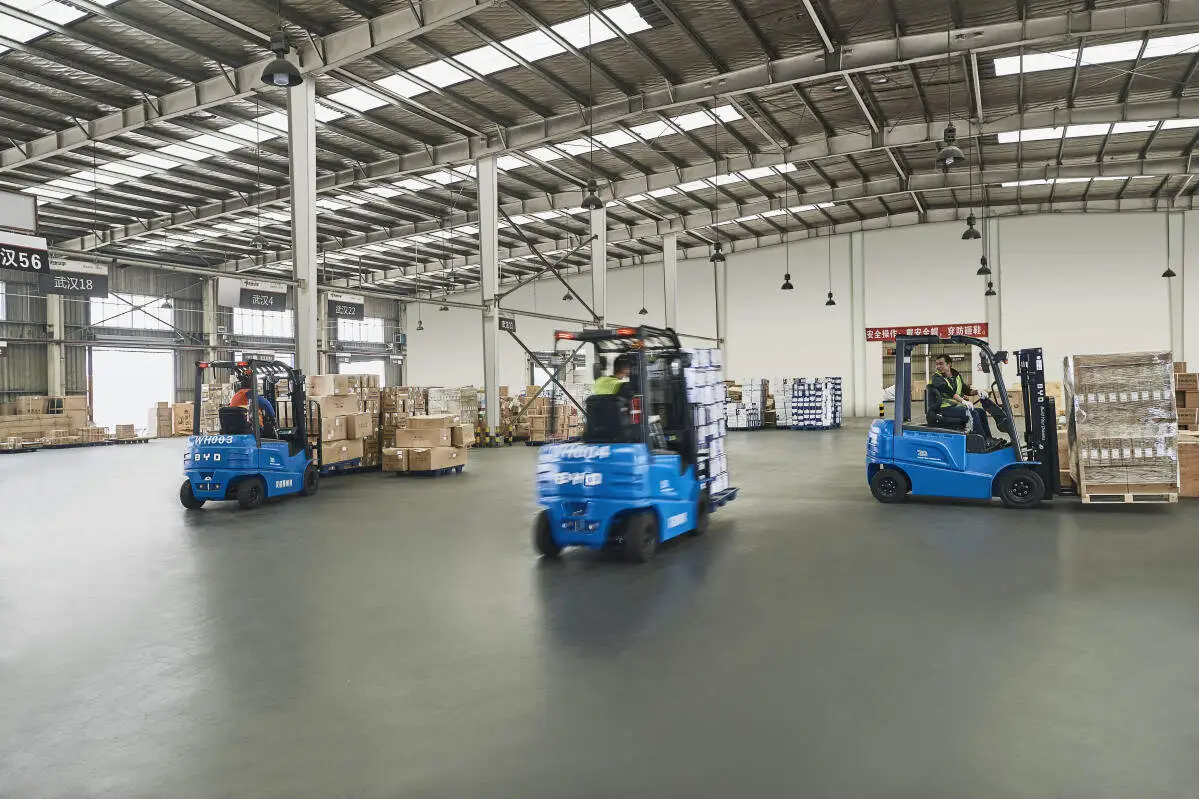
Start with a comprehensive pre-operation inspection to identify potential hazards before starting the forklift. Begin with visual checks: inspect the exterior for any signs of damage, such as dents or leaks in the hydraulic system. Examine the tires for proper inflation and tread wear, as worn tires can compromise stability. Test the brakes, steering, and horn to ensure they function correctly; responsive controls are critical for safe maneuvering. Check fluid levels, including fuel, oil, and hydraulic fluid, and verify that all lights and signals are operational. Never operate a forklift if any component fails inspection—report issues to a qualified maintenance team immediately.
Proper load handling is a cornerstone of counterbalance forklift operation. Always verify the load’s weight against the forklift’s rated capacity; exceeding this limit can lead to tip-overs, a major safety risk. Adjust the fork tines to match the load’s width, ensuring they are inserted fully under the load for secure support. When lifting the load, raise it only high enough to clear the ground during travel—keeping it low reduces the risk of instability. Avoid sudden movements when lifting, lowering, or traveling with a load; smooth, deliberate actions maintain control. Be mindful of load balance: unevenly distributed loads can shift during movement, so secure the load with straps or wraps if necessary.
Adhere to strict safe operational practices during every shift. Maintain a safe speed at all times, reducing speed in narrow aisles, crowded areas, or on uneven surfaces. When turning, slow down and signal your intention to alert nearby workers; counterbalance forklifts have a wider turning radius than standard vehicles, so leave ample space. Always keep a clear line of sight; if the load blocks your view, travel in reverse or have a spotter guide you. When operating on ramps, travel with the load facing uphill to prevent tipping. Never allow passengers on the forklift, and avoid driving over obstacles or loose debris that could cause the vehicle to tip.
After completing tasks, follow proper post-operation procedures to prepare the forklift for the next shift. Park the forklift in a designated, level area, away from walkways or exit routes. Lower the fork tines to the ground, engage the parking brake, and turn off the engine. Remove the key and ensure all controls are in the neutral position. Perform a quick visual check for any damage or leaks that may have occurred during operation, and report any issues to the maintenance team. Proper post-operation care extends the forklift’s lifespan and ensures it is safe for the next operator.