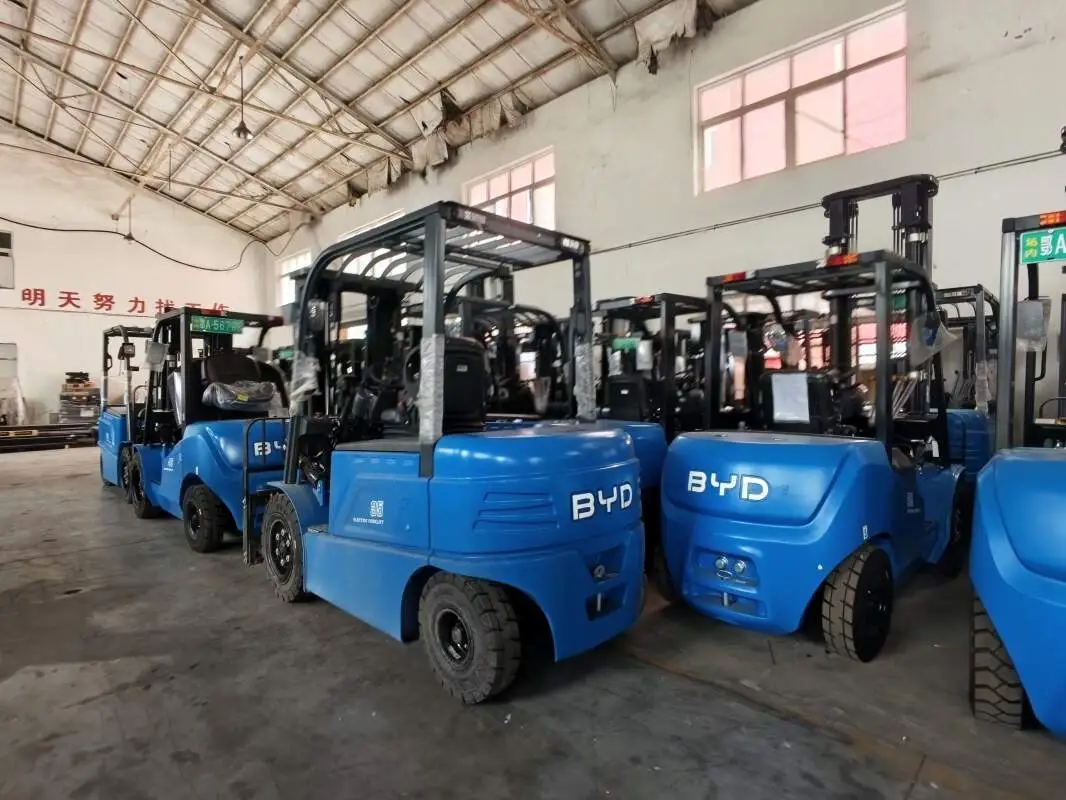
In the realm of material handling, forklift site operations demand strict adherence to structured guidelines, with lift plans serving as a critical framework for safe and compliant lifting tasks. A well-crafted lift plan not only mitigates potential hazards but also ensures operational efficiency, making it a non-negotiable component of any forklift operation.
The first core point lies in prioritizing comprehensive risk assessment before initiating any lifting task. This involves evaluating on-site conditions such as ground stability, overhead obstacles, and environmental factors like wind speed or wet surfaces that could compromise forklift stability. Operators must identify potential risks, such as uneven terrain leading to tip-overs or low-hanging structures interfering with lift height, and develop targeted mitigation strategies. For instance, if the ground is soft, using temporary stabilization measures or adjusting lift routes can reduce accident risks.
Next, personnel qualification and training are fundamental to executing lift plans effectively. Forklift operators must hold valid certifications that demonstrate their understanding of lift plan procedures, load handling techniques, and safety protocols. Additionally, on-site supervisors or signal persons involved in guiding lifts should receive specialized training to ensure clear, accurate communication with operators. Regular refresher courses help keep skills up-to-date, ensuring all team members can interpret and follow lift plan instructions correctly.
Site environment and layout considerations also play a key role in lift plan requirements. Operators must verify that the operation area has sufficient space for maneuvering, including adequate turning radius and clearance from pedestrian zones. Setting up clear safety barriers or warning signs around the lift zone helps prevent unauthorized access, reducing the risk of collisions between forklifts and personnel. Moreover, assessing visibility in the area—such as checking for blind spots or poor lighting—allows operators to adjust their approach or request additional support, like spotters, to maintain safe operations.
Proper load management is another non-negotiable core point. Lift plans must detail load specifications, including weight, dimensions, and center of gravity, to ensure alignment with the forklift’s rated capacity. Operators must inspect loads for secure packaging or binding before lifting, as loose materials can shift during operation and cause instability. When lifting to greater heights, operators should account for the increased risk of tip-over and adjust their speed and positioning accordingly, avoiding sudden movements that could disrupt balance.
Finally, emergency protocols and contingency plans must be integrated into every lift plan. This includes outlining steps to respond to common incidents, such as load slippage, forklift mechanical failure, or minor injuries. On-site first aid kits and emergency contact information should be easily accessible, and all personnel should be trained to execute emergency procedures efficiently. Regular drills help validate the effectiveness of these plans, ensuring the team can respond quickly and appropriately in high-stress situations.
By adhering to these core lift plan requirements, forklift site operations can minimize accident risks, maintain regulatory compliance, and foster a culture of safety across all material handling tasks.