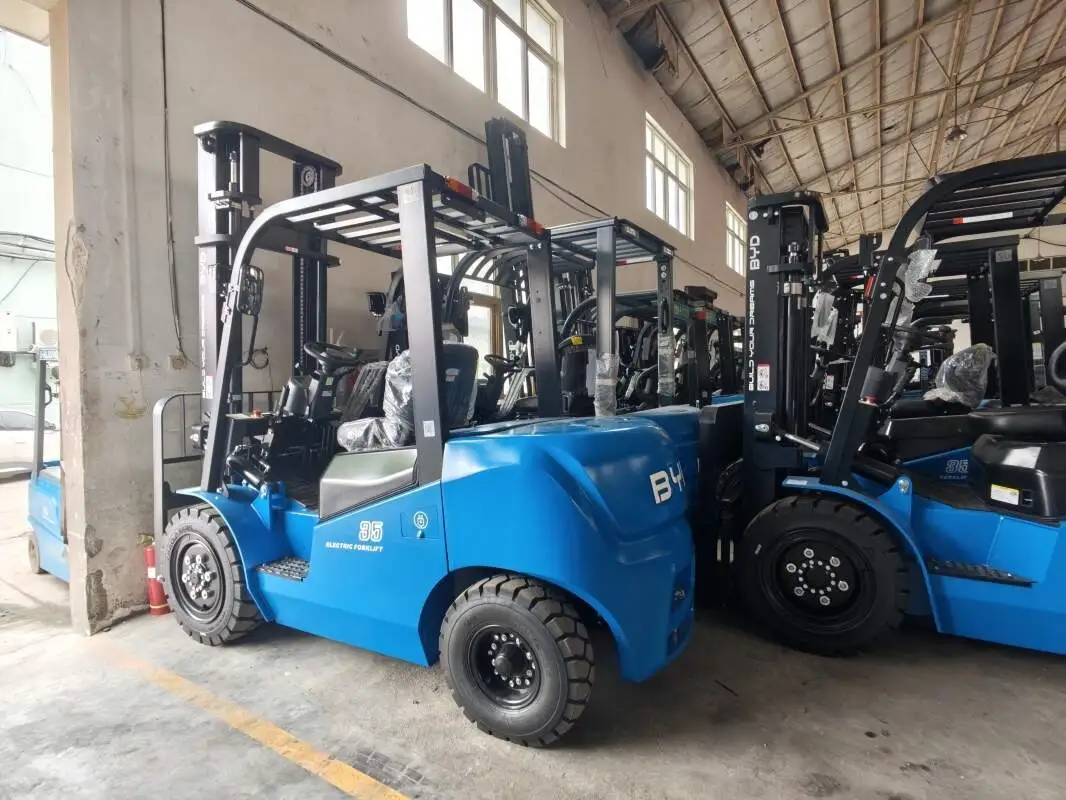
As indoor warehousing and manufacturing facilities increasingly prioritize sustainability, eco-focused green forklifts have emerged as a critical solution to reduce environmental impact while maintaining operational efficiency. Unlike traditional fuel-powered alternatives, these electric models are tailored to meet the unique demands of enclosed spaces, offering a range of features that align with eco-friendly practices.
One of the most defining features of green forklifts for indoor use is their zero-emission performance. Powered by advanced battery systems, they produce no exhaust fumes such as carbon monoxide or particulate matter, which is essential for maintaining air quality in enclosed spaces where ventilation may be limited. This not only supports a healthier work environment for employees but also eliminates the need for costly air filtration upgrades tied to emissions control.
Indoor facilities often require quiet operations to comply with workplace noise regulations and minimize disruptions to staff and adjacent processes. Green electric forklifts operate at significantly lower decibel levels compared to internal combustion engine models. Their electric motors generate minimal vibration and noise, creating a more comfortable and focused work atmosphere. This feature is particularly beneficial in facilities where precision tasks or close-proximity work is common.
Eco-focused forklifts incorporate energy-efficient components that optimize power usage. Many models feature regenerative braking systems, which capture and convert kinetic energy back into stored battery power during deceleration, extending operational time between charges. Additionally, smart battery management systems monitor power levels in real time, providing operators with accurate data on remaining runtime and suggesting optimal charging schedules. This not only reduces energy waste but also extends the overall lifespan of the battery, lowering long-term operational costs.
Indoor facilities often have narrow aisles and limited space, making maneuverability a key requirement for forklifts. Green electric models are designed with compact frames and tight turning radii, allowing operators to navigate through confined areas with ease. This design also contributes to improved safety, as it reduces the risk of collisions with racks, equipment, or personnel. The lightweight construction of many electric forklifts further enhances their agility without compromising load capacity.
Compared to fuel-powered forklifts, eco-focused electric models have fewer moving parts, which translates to lower maintenance needs. There is no requirement for oil changes, filter replacements, or tune-ups associated with internal combustion engines. This not only reduces downtime but also cuts down on the use of hazardous maintenance materials, aligning with sustainable operational goals. Regular maintenance primarily involves battery checks and minor component inspections, making it simpler and more cost-effective over the long term.
In summary, eco-focused green forklift models offer a comprehensive set of features that address the unique needs of indoor facilities while advancing sustainability objectives. From zero emissions and low noise to energy efficiency and simplified maintenance, these forklifts provide a practical and eco-friendly alternative to traditional models, supporting both environmental responsibility and operational productivity.