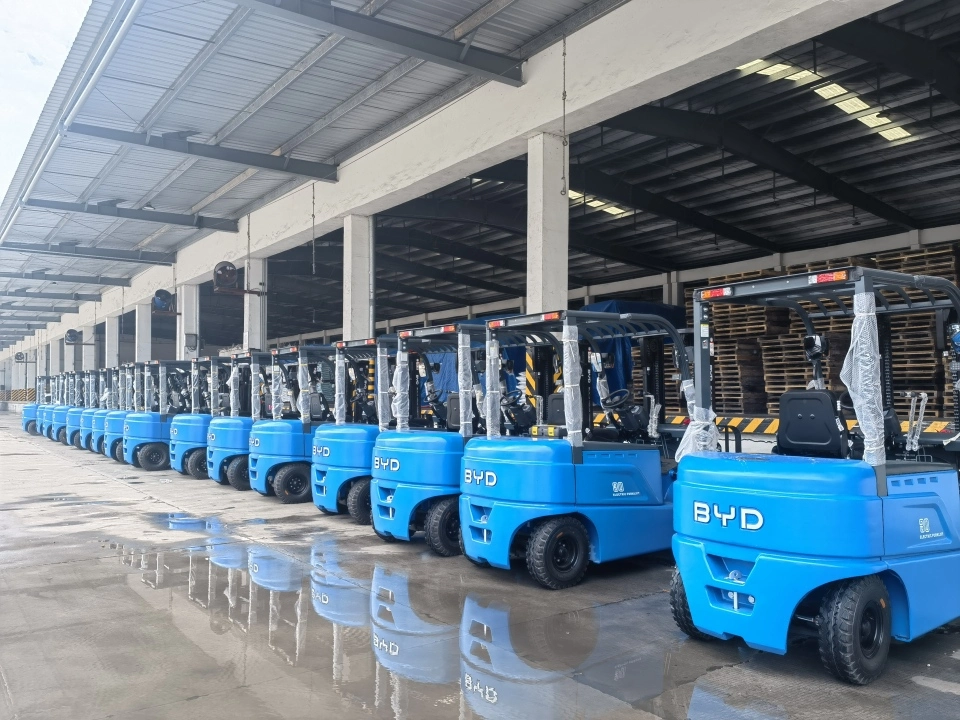
forklift fork adapters are versatile accessories designed to extend the functionality of standard forklifts, allowing them to handle specialized loads or adapt to different material handling tasks. Whether you need to transport oversized pallets, cylindrical loads, or non-standard cargo, these adapters provide a cost-effective solution without investing in a dedicated forklift. However, proper installation and usage are critical to ensure operational safety and avoid equipment damage. This guide offers practical, compliant steps to help you install and use forklift fork adapters correctly.
Before starting the installation, take time to verify compatibility between the adapters and your forklift. Check the load capacity rating of both the forklift and the adapters—never exceed either limit, as this can lead to structural failure or tipping. Gather necessary tools, including a torque wrench, safety gloves, and eye protection. Ensure the forklift is parked on a flat, stable surface, with the engine turned off, parking brake engaged, and forks lowered to the ground. Conduct a visual inspection of the adapters for any signs of wear, cracks, or deformation; discard any damaged components to prevent accidents.
Follow these step-by-step installation instructions for secure fitting: First, align the adapters with the forklift forks. Slide each adapter onto the tip of the fork, ensuring it sits flush against the fork’s backrest. Next, secure the adapters using the provided fastening mechanisms. Depending on the adapter type, this may involve tightening bolts or engaging locking pins. Use a torque wrench to tighten bolts to the recommended torque—over-tightening can strip threads, while under-tightening may cause the adapter to shift during use. Finally, after securing both adapters, perform a quick test: gently lift a light load to confirm the adapters remain stable and do not move. If any shifting is detected, recheck the fastenings and adjust as needed.
When using forklift fork adapters, always adhere to basic forklift safety protocols. Avoid sudden starts, stops, or turns, which can cause loads to shift or the adapters to dislodge. Maintain a clear view of the load and surrounding area at all times; if the adapter obstructs visibility, use a spotter to guide operations. Never use adapters for tasks they are not designed for—for example, using a pallet-specific adapter to lift heavy cylindrical loads can lead to load instability. Regularly inspect the adapters during use; if you notice any loosening or damage, stop operations immediately and address the issue before resuming.
To extend the lifespan of your forklift fork adapters, implement a routine maintenance schedule. After each use, clean the adapters to remove dirt, debris, or corrosive materials. Inspect the fastening components and re-tighten if necessary. Store adapters in a dry, covered area when not in use to prevent rust or damage. Periodically check for signs of wear, such as bent contact points or cracked frames, and replace components as needed. Following these maintenance steps will ensure the adapters remain reliable and safe for long-term use.