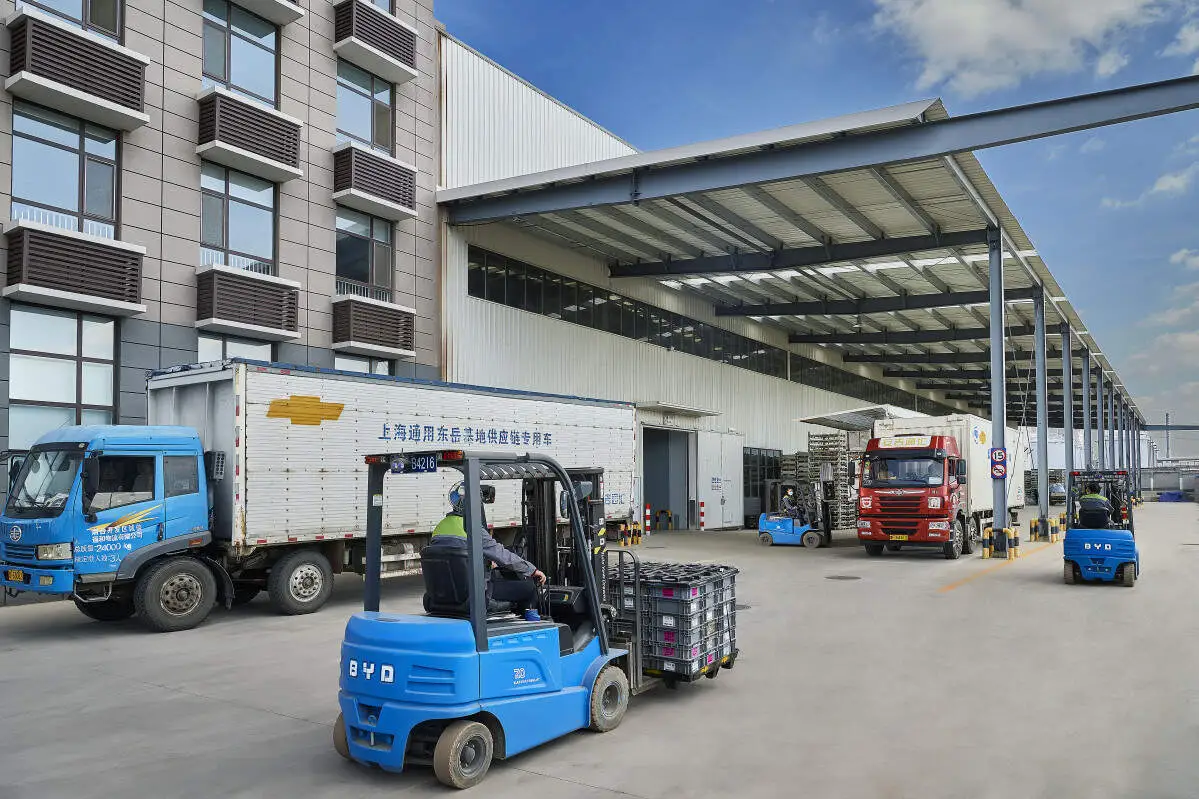
When servicing electric forklifts, implementing a structured Lock Out Tag Out (LOTO) procedure is essential to eliminate the risk of accidental equipment startup, which can lead to serious injuries or fatalities. This step-wise guide outlines critical actions to ensure a safe maintenance environment for all personnel involved.
1. Prepare for Servicing
Before initiating any maintenance work, notify all relevant personnel—including operators, supervisors, and team members—that the forklift will be taken out of service. Ensure maintenance staff are trained on LOTO protocols, understand potential hazards, and have access to approved locking and tagging devices. Conduct a pre-servicing assessment to identify all energy sources, such as battery packs, electrical circuits, and hydraulic systems.
2. Shut Down the Forklift
Follow the standard shutdown procedure for the electric forklift. Turn off all operating controls, including the ignition switch, hydraulic lift functions, and auxiliary features. Park the forklift on a level, stable surface, engage the parking brake, and lower forks to the ground to prevent unintended movement.
3. Disconnect All Energy Sources
Identify and disconnect every source of energy that could power the forklift or its components. For electric models, disconnect the battery pack by removing terminal cables in the correct order to avoid electrical arcs. Unplug the charger if connected, and secure the cable to prevent accidental reconnection. Relieve built-up pressure in hydraulic systems by activating controls safely to eliminate stored energy.
4. Apply Lock Out Devices
Once all energy sources are disconnected, apply approved lock out devices to each isolation point. These devices should prevent reactivation of energy sources, such as circuit breakers, battery terminals, or charging ports. Each maintenance worker uses their own unique lock, ensuring only they hold the key to remove it, preventing unauthorized reactivation.
5. Attach Tag Out Labels
Alongside lock out devices, attach clearly visible tag out labels to each isolation point. Labels should include the service personnel’s name, LOTO initiation date and time, and a warning that the equipment is under maintenance and must not be operated. Ensure labels are durable and legible even in dusty or moist industrial environments.
6. Verify Energy Isolation
Before starting servicing tasks, verify all energy sources are properly isolated and the forklift cannot be activated. Test all operating controls—ignition, lift functions, steering—to confirm no power or hydraulic pressure exists. If residual energy is detected, repeat previous steps to ensure complete isolation.
7. Perform Servicing
With the LOTO procedure fully implemented, proceed with planned maintenance. Follow safety guidelines for specific tasks, wear personal protective equipment (PPE) like gloves, safety glasses, and steel-toe boots, and avoid actions that compromise lock out devices or labels during work.
8. Remove LOTO Devices
Once servicing is complete, inspect the forklift to ensure components are reassembled and no tools are left onboard. Notify all personnel servicing is finished. Remove lock out devices and tags in reverse order of application, ensuring only the worker who applied each lock removes it. Conduct a final test to confirm safe operation before returning the forklift to regular use.
Adhering to this step-wise LOTO procedure is critical for workplace safety during electric forklift servicing, minimizing accident risks and ensuring compliance with safety regulations.