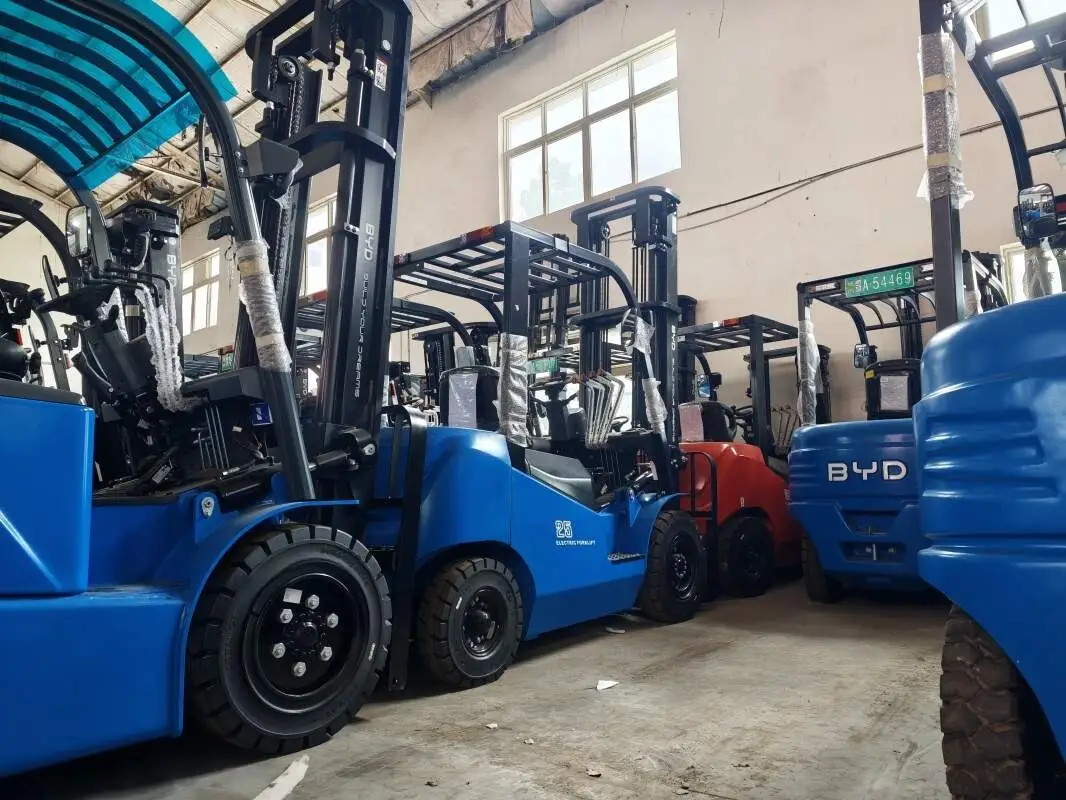
electric forklifts are integral tools in warehouses, distribution centers, and manufacturing facilities, streamlining material handling tasks while boosting operational efficiency. However, their power and size present inherent risks, making strict adherence to safety guidelines non-negotiable for every operator to prevent workplace accidents, injuries, and property damage.
Pre-Operation Inspection
Before starting any shift, operators must conduct a thorough pre-operation inspection to ensure the forklift is in safe working condition. Begin by checking the battery’s charge level to avoid unexpected power loss during operation. Inspect the braking system, including foot brakes and parking brakes, to confirm they engage smoothly and reliably. Examine the steering mechanism for responsiveness, ensuring no excessive play or stiffness. Verify that all lights, horns, and warning signals are functional to communicate with other workers effectively. Inspect the forks for cracks, bends, or wear, and check tire pressure and condition to maintain stability. Any issues identified during the inspection must be reported immediately to a supervisor, and the forklift should not be used until repairs are completed.
Safe Operational Practices
During operation, operators must prioritize safety at all times. Always fasten the seatbelt before starting the forklift to minimize injury risk in case of sudden stops or tip-overs. Maintain a safe speed appropriate for the work environment, reducing speed in narrow aisles, crowded areas, and near pedestrians. When turning, slow down and signal your intent to alert others, as forklifts have limited visibility in blind spots. Avoid using mobile phones or engaging in distracting activities while operating the forklift, as split attention can lead to collisions. Maintain a safe distance from other vehicles, equipment, and pedestrians, adhering to the minimum recommended clearance of three feet. On ramps, always travel with the load facing uphill to prevent tip-overs, and never turn on a slope, as this can compromise the forklift’s stability.
Proper Load Handling
Incorrect load handling is a leading cause of forklift accidents, so operators must follow strict protocols to ensure load stability. First, familiarize yourself with the forklift’s rated load capacity, never exceeding this limit to avoid tip-overs. Ensure the load is evenly distributed on the forks, shifting it toward the mast if necessary to maintain balance. Insert the forks fully under the pallet, ensuring they extend beyond the load to prevent it from slipping off. When lifting the load, raise it only high enough to clear obstacles, keeping it as low as possible during travel to maintain stability. If the load blocks your forward visibility, operate the forklift in reverse, using a spotter if available to navigate safely.
Workplace Environmental Awareness
Operators must stay vigilant of their surroundings to avoid hazards in the workplace. Familiarize yourself with the layout of the facility, including designated travel paths, pedestrian zones, and hazard areas. Watch for wet or slippery floors, loose debris, and uneven surfaces that can cause the forklift to skid or tip. Obey all posted speed limits, traffic signs, and directional arrows to maintain order in busy work areas. At intersections, blind corners, and doorways, sound the horn to alert other workers of your presence. Be mindful of overhead obstacles such as pipes, beams, and shelving units, ensuring the load is low enough to clear these structures when traveling.
Emergency Response Protocols
In the event of an emergency, operators must know how to respond quickly and effectively to minimize harm. If the forklift experiences a brake failure or starts to tip over, hold onto the steering wheel, lean away from the direction of the tip, and do not jump off the vehicle, as this can lead to more severe injuries. For battery leaks, move the forklift to a well-ventilated area, wear protective gloves, and follow facility procedures to contain and clean the spill. In case of a fire, use the appropriate fire extinguisher for electrical fires, evacuate the area immediately if the fire spreads, and alert emergency services. After any incident, report the details to a supervisor promptly, including the cause, injuries, and property damage, to prevent similar occurrences in the future.
By following these core safety guidelines, forklift operators can create a safer work environment for themselves and their colleagues. Regular training, consistent adherence to protocols, and a proactive approach to hazard identification are key to reducing risks and ensuring smooth, accident-free operations.