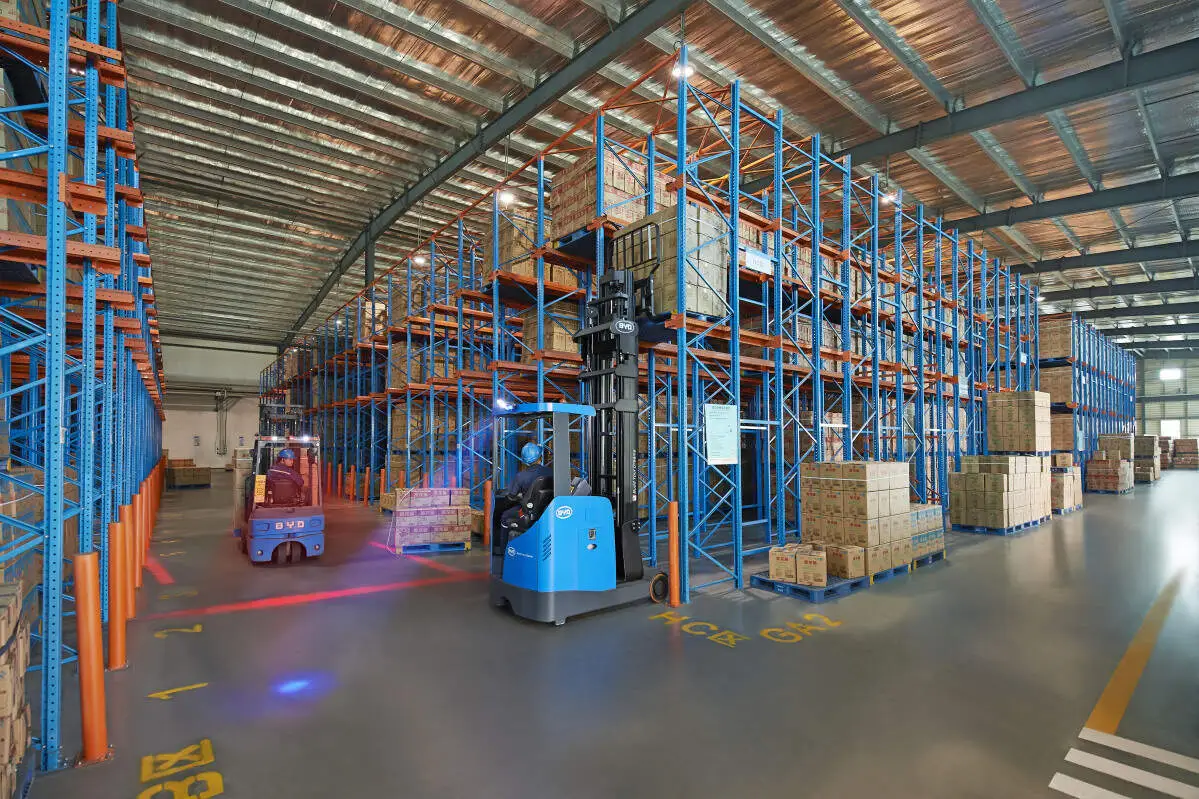
Classic towmotor forklifts remain a cornerstone of industrial material handling, relied on by warehouses, manufacturing facilities, and distribution centers for efficient load movement. Understanding their core specifications is critical for selecting the right equipment, ensuring safe operation, and maximizing operational efficiency. This reference outlines key technical parameters that define the performance and functionality of classic towmotor forklifts.
Load capacity is one of the most fundamental specifications of any industrial forklift. Classic towmotor models typically offer load capacities ranging from 2,000 to 10,000 pounds, tailored to meet diverse operational needs. For light-duty warehouse tasks such as moving small pallets, lower capacity models are sufficient, while heavy-duty manufacturing or construction environments require higher capacity units. It’s important to note that load capacity ratings are established under standard conditions, including specified fork spacing and maximum lift height, so operators must avoid exceeding these limits to prevent equipment damage and safety hazards.
Lift height is another critical specification that directly impacts storage capabilities. Classic towmotor forklifts generally feature lift heights between 8 and 20 feet, with some models capable of reaching higher elevations for high-rise rack systems. The design of the forklift’s mast—whether a two-stage or three-stage configuration—determines its maximum lift height. Warehouses with dense, vertical storage will benefit from forklifts with extended lift heights, while facilities with lower shelves can opt for more compact models with shorter mast configurations.
Power system specifications play a key role in a forklift’s suitability for different environments. Classic towmotor forklifts are available with both electric and internal combustion power sources. Electric models, powered by lead-acid or lithium-ion batteries, are ideal for indoor use due to zero emissions and low noise levels. Their battery capacity, typically ranging from 48 to 80 volts, dictates runtime and charging requirements. Internal combustion models, fueled by gasoline or diesel, offer greater power and longer runtime, making them suitable for outdoor or heavy-duty applications where recharging infrastructure is limited. Engine power ratings, usually between 20 and 50 horsepower, correlate with the forklift’s ability to handle heavy loads on uneven terrain.
Maneuverability specifications are essential for operation in tight spaces. Classic towmotor forklifts feature hydraulic power steering for smooth control, with minimum turning radii ranging from 5 to 8 feet. This allows operators to navigate narrow warehouse aisles and congested loading docks with ease. The forklift’s overall length and width also contribute to its maneuverability, with compact models being better suited for facilities with limited space.
Safety specifications are non-negotiable for industrial equipment. All classic towmotor forklifts include standard safety features such as operator seat belts, load backrests to secure loads, and audible reverse alarms. Many models also feature emergency stop buttons, hydraulic lock systems, and overhead guards to protect operators from falling objects. These components are designed to meet industry safety standards, reducing the risk of accidents and ensuring compliance with workplace regulations.
By understanding these core specifications, industrial equipment managers and operators can make informed decisions when selecting, operating, and maintaining classic towmotor forklifts. Matching the forklift’s specs to the specific operational environment ensures optimal performance, safety, and longevity of the equipment.