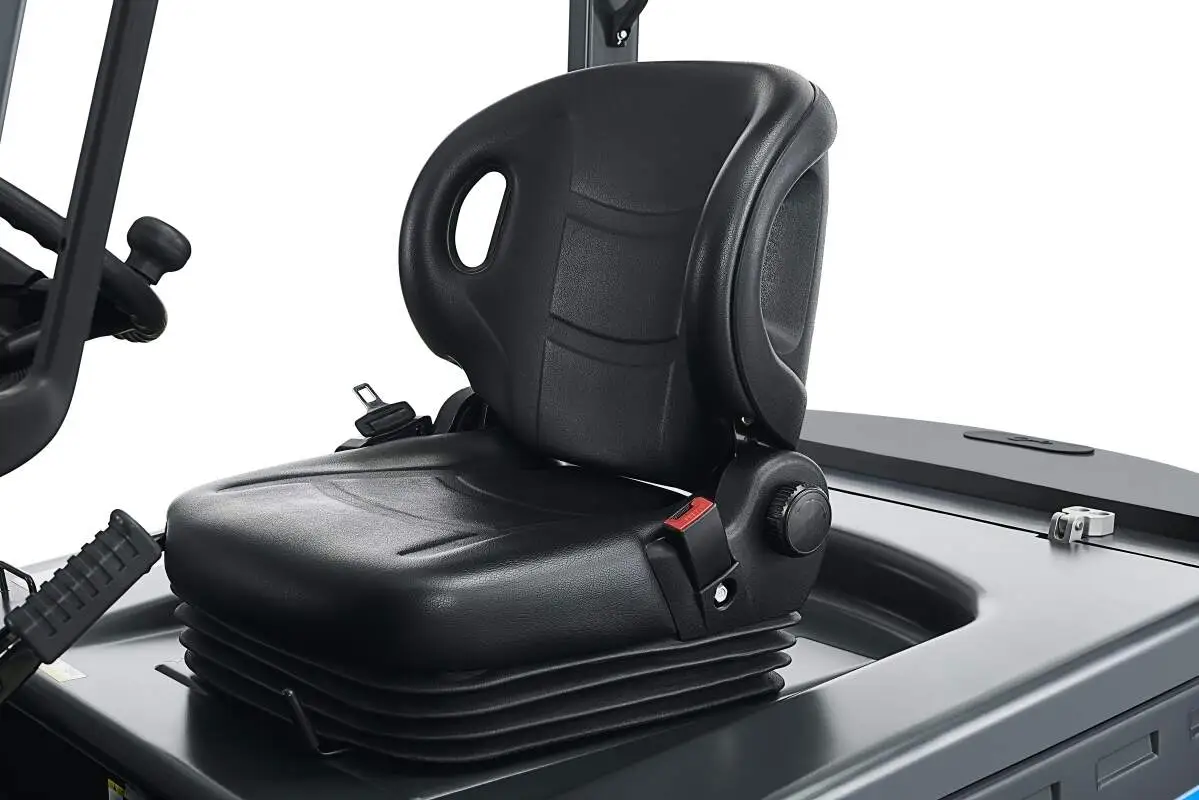
Forklifts are integral to material handling in many U.S. workplaces, but their improper use poses significant risks to workers, including collisions, tip-overs, and crush injuries. To mitigate these hazards, the Occupational Safety and Health Administration (OSHA) has established strict standards governing forklift workplace operations, designed to protect employees and ensure consistent safety across industries.
At the core of OSHA’s forklift standards is mandatory operator training. All forklift operators must complete a formal training program that combines classroom instruction and hands-on practical training. Classroom content includes topics such as forklift classification, load capacity calculations, stability principles, hazard recognition, and emergency response procedures. Practical training focuses on operating specific forklift models, maneuvering in tight spaces, handling uneven loads, and navigating ramps. After training, operators must pass a written and practical evaluation to demonstrate competency. OSHA also requires retraining at least every three years, or immediately after a workplace incident, operator error, or introduction of a new forklift model.
Pre-operation inspections are another critical requirement outlined by OSHA. Before using a forklift, operators must conduct a thorough visual and functional check to identify potential issues. Key inspection areas include brake systems, tire condition, hydraulic fluid levels, lighting and alarm systems, seatbelts, and load attachment mechanisms. Any defects or malfunctions must be documented and reported to supervisors immediately; the forklift cannot be used until repairs are completed. Regular inspections help prevent mechanical failures that could lead to accidents during operation.
OSHA also sets clear rules for safe forklift operation in the workplace. Operators are required to adhere to speed limits tailored to the work environment, maintain a safe distance from pedestrians and other equipment, and ensure loads are properly balanced and secured to prevent tip-overs. On ramps, operators must travel with the load facing uphill to maintain stability, and avoid turning on inclines unless necessary. Additionally, forklifts may only carry passengers if equipped with a dedicated, approved seating area, and operators must avoid distractions such as mobile phones while operating equipment.
Maintenance and documentation are essential for ongoing compliance. Employers must establish a regular maintenance schedule based on the forklift manufacturer’s recommendations, covering tasks such as oil changes, filter replacements, and brake adjustments. Detailed records of all maintenance and repairs must be kept on file, as OSHA may request these documents during inspections. Proper maintenance not only ensures the forklift operates safely but also extends its lifespan, reducing long-term operational costs.
Failure to comply with OSHA’s forklift standards can result in significant penalties, including fines for serious violations. Beyond regulatory consequences, non-compliance increases the risk of workplace injuries, which can lead to lost productivity, worker compensation claims, and damage to a company’s reputation. By prioritizing OSHA compliance, employers create a safer work environment, protect their employees, and uphold their legal obligations to maintain a hazard-free workplace.