Los Angeles is home to a sprawling network of industrial zones, where forklift rental services play a critical role in keeping supply chains and warehouse operations running smoothly. For businesses operating in these areas, understanding the key cost factors of forklift rentals is essential for effective budget planning and operational efficiency.
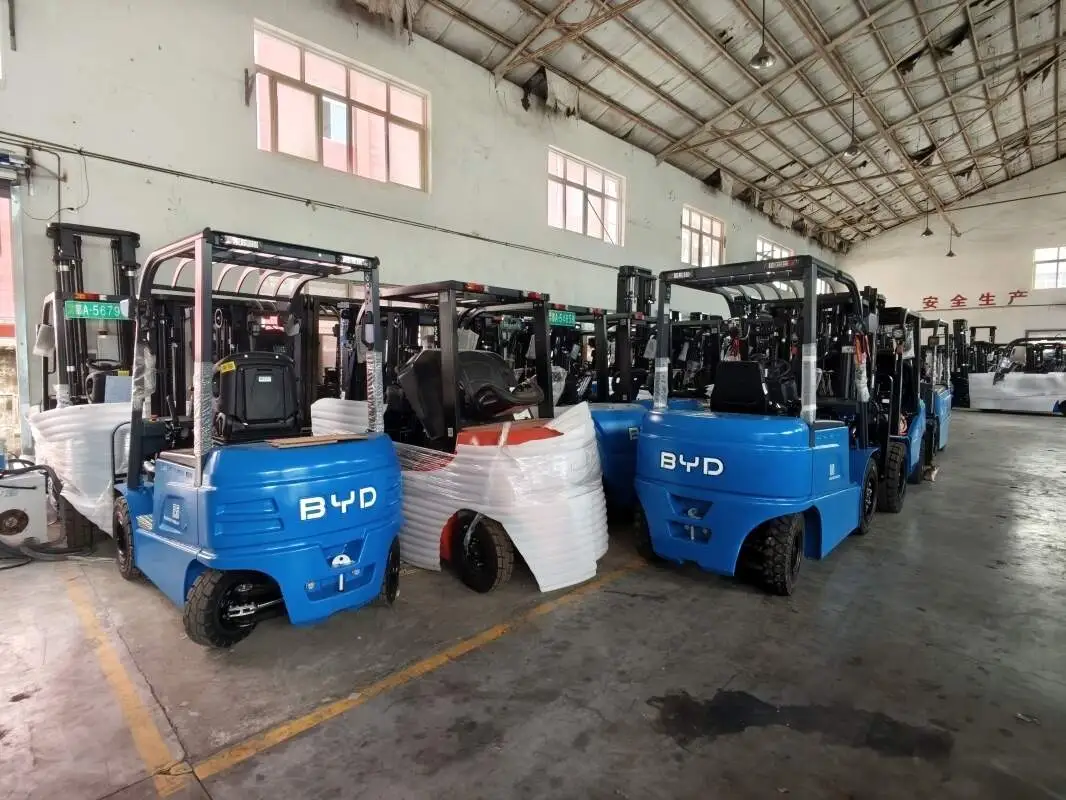
Forklift type and specifications are primary drivers of rental costs. electric forklifts, ideal for indoor warehouse tasks with low emissions, typically have different pricing than heavy-duty internal combustion models designed for outdoor cargo loading and rough terrain. Larger tonnage forklifts, capable of handling heavier loads, also command higher rental rates due to their robust construction, advanced mechanical systems, and higher maintenance requirements. A 5-ton outdoor forklift, for example, will cost more to rent than a 2-ton electric model tailored for narrow warehouse aisles.
Rental duration significantly impacts pricing structures. Short-term rentals, spanning a few days to a week, often come with premium rates due to administrative overhead, quick turnaround needs, and the need for providers to reallocate equipment frequently. In contrast, long-term agreements—monthly or annual—usually include discounted rates, as they offer rental providers predictable revenue streams and reduce equipment idle time. Businesses with ongoing operational needs can often negotiate further savings with long-term contracts.
Additional optional services can add to the total rental cost. Maintenance packages, which cover routine inspections, repairs, and replacement parts, are a common add-on that helps avoid unexpected downtime and repair expenses, typically adding 10% to 20% to the base rate. Operator training services, required for businesses with uncertified staff, also contribute to overall expenditure, as do delivery and pickup fees for equipment transported to and from remote industrial zones.
Industrial zone location plays a role in rental pricing. Zones closer to major ports like the Port of Los Angeles see higher demand from logistics and shipping companies, driving up rental rates due to limited equipment availability. Remote industrial areas may incur extra transportation fees for equipment delivery, as rental providers factor in fuel costs and travel time to reach these locations.
Seasonal demand fluctuations further influence costs. Peak seasons, such as the holiday shopping period from October to December, bring a surge in forklift demand across Los Angeles’ industrial zones, leading to increased rental rates. Off-peak periods, by contrast, may offer promotional discounts as providers aim to maintain equipment utilization rates and secure steady business.
By evaluating these core cost factors, businesses in Los Angeles’ industrial zones can make informed decisions when selecting forklift rental services. Comparing quotes from multiple providers and aligning rental choices with operational needs and budget constraints helps optimize costs while ensuring reliable equipment support for daily operations.