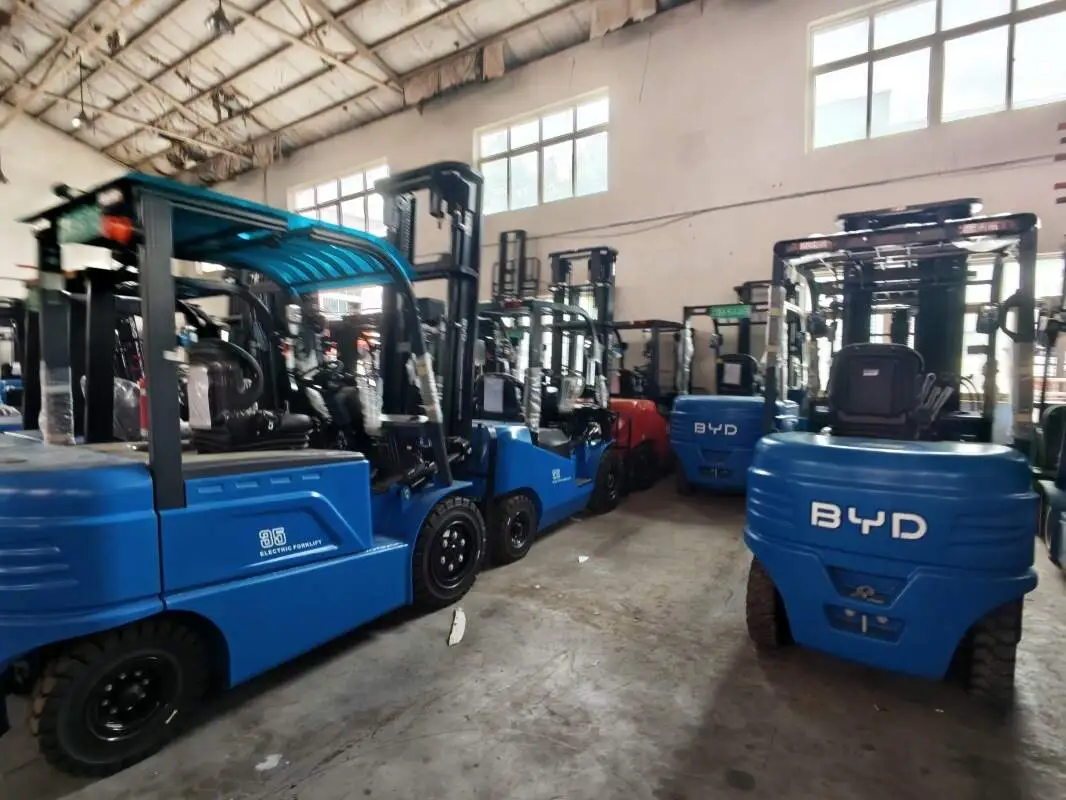
For businesses needing temporary material handling support, short-term forklift hire offers flexibility without the long-term commitment of ownership. However, unplanned costs can quickly erode these benefits, making cost optimisation a critical consideration for any short-term rental arrangement. By implementing targeted strategies, companies can reduce expenses while ensuring their operational needs are fully met.
Right-sizing equipment is a foundational step in cost optimisation. Many businesses mistakenly rent larger forklifts than required, drawn by the perception of greater capability. In reality, oversized forklifts come with higher rental rates and increased energy consumption. Assess your operational needs carefully: if your tasks primarily involve light loads in narrow warehouse aisles, a compact electric forklift will suffice at a lower cost. For heavy-duty outdoor lifting, opt for a specialised model only when necessary, avoiding unnecessary daily rental fees.
Flexible lease term negotiation can also yield significant savings. Standard short-term hire often follows fixed weekly or monthly rates, but many suppliers are open to custom terms. For example, if your project requires forklifts only during peak hours, negotiate hourly rental rates instead of full-day agreements. During slower periods, reduce the number of rented units temporarily to cut down on ongoing costs. Clear communication with your rental provider about your variable needs can lead to tailored pricing structures that align with your actual usage.
Including a proactive maintenance clause in your rental agreement prevents unexpected repair costs. Forklift breakdowns not only incur repair fees but also cause downtime that disrupts operations. A comprehensive maintenance plan ensures regular inspections, battery checks (for electric models), and minor repairs are covered in the base rental cost. This not only avoids hidden expenses but also keeps the equipment running efficiently, maximising productivity throughout the rental period.
If your operation requires multiple forklifts, explore bulk rental discounts. Suppliers often offer reduced rates for renting several units at once, as it streamlines their logistics and reduces empty fleet time. Even a small percentage discount per unit can add up to substantial savings over the course of a short-term rental. Be sure to compare quotes from different providers to leverage competitive pricing and secure the best possible deal.
Choosing electric forklifts over fuel-powered alternatives can lower short-term rental costs. Electric models have lower operational expenses, as charging costs are typically more stable than fluctuating fuel prices. They also require less maintenance, with no oil changes or exhaust system upkeep. Additionally, some regions offer incentives for using eco-friendly equipment, further reducing the overall cost of hire.
Finally, establish clear post-return inspection protocols to avoid unexpected damage charges. Before taking possession of the forklift, conduct a thorough pre-rental inspection and document any existing wear and tear. During the rental period, implement daily checklists to maintain the equipment’s condition. When returning the forklift, walk through the inspection process with the provider to confirm there are no new damages, preventing unwarranted fees.
By combining these strategies, businesses can optimise costs in short-term forklift hire arrangements without compromising on operational efficiency. Taking the time to assess needs, negotiate flexible terms, prioritise maintenance, and choose efficient equipment ensures that short-term forklift hire remains a cost-effective solution for temporary material handling requirements.