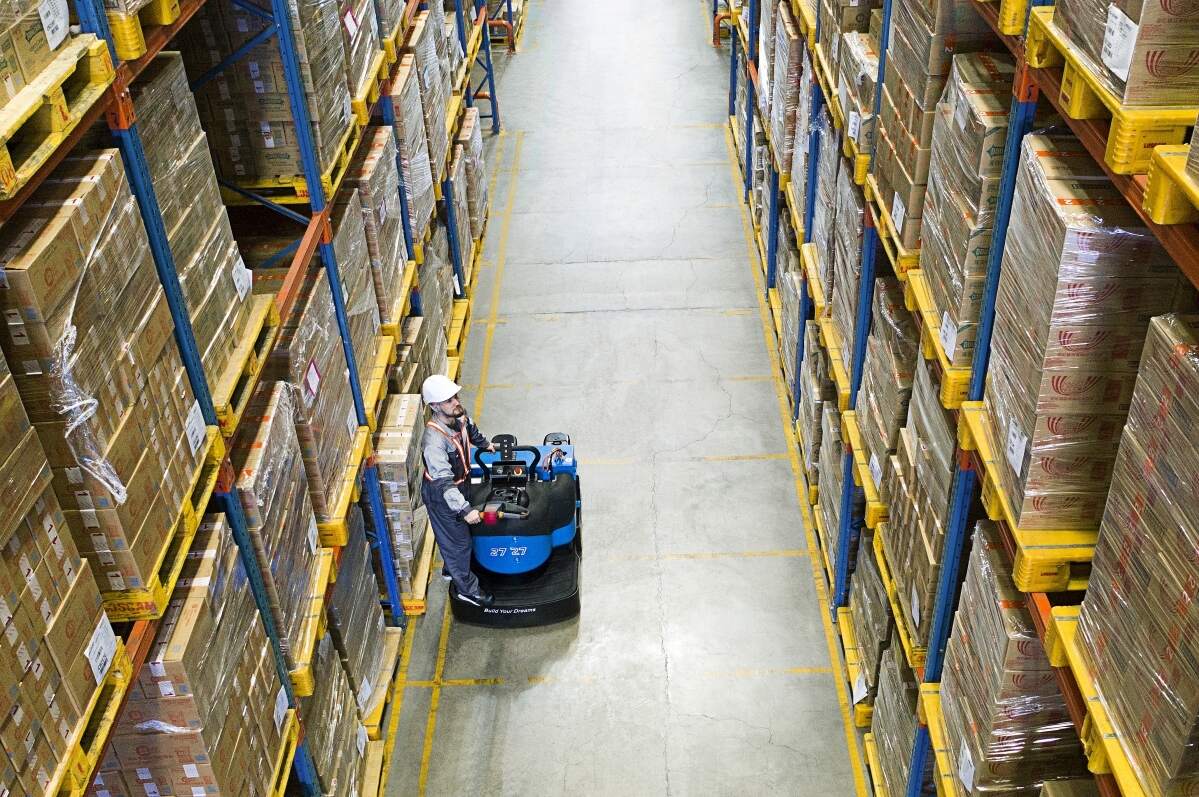
electric forklifts are workhorses in warehouses, distribution centers, and industrial settings, keeping operations running smoothly. To ensure their longevity, reliability, and safe performance, regular service and routine maintenance are non-negotiable. For businesses, understanding the associated costs is critical for effective budgeting and operational planning.
Key Factors Influencing Maintenance and Service Costs
Several variables impact the overall cost of forklift upkeep. First, usage frequency plays a significant role. Forklifts operating 8+ hours daily in high-demand environments experience faster wear on components like tires, brakes, and hydraulic systems, leading to more frequent repairs and higher annual maintenance costs—often 20% to 30% higher than those used intermittently.
The age and condition of the forklift also matter. Newer models typically require only preventive maintenance, such as fluid checks and filter replacements, with lower upfront costs. Older forklifts, however, may need frequent part replacements due to component degradation, driving up long-term expenses. Additionally, the type of components needing service affects costs: battery maintenance for electric models, including regular fluid top-ups and performance testing, is relatively low-cost, while replacing a faulty traction motor can incur substantial expenses.
Typical Cost Reference Ranges
For routine preventive maintenance, monthly inspections—covering brake functionality, tire pressure, battery health, and fluid levels—generally range from $50 to $150 per service. Quarterly maintenance, which includes changing hydraulic fluids, replacing air filters, and calibrating controls, typically costs between $150 and $300. Annual comprehensive overhauls, involving in-depth checks of all critical systems, can run from $300 to $600, depending on the forklift’s size and condition.
Unplanned service costs vary widely based on the issue. Replacing a single worn tire may cost $80 to $200, while repairing a malfunctioning hydraulic system could range from $300 to $800. Major repairs, such as replacing a faulty battery or traction motor, can cost $500 to $1,200 or more.
Tips to Optimize Maintenance Budgets
To manage costs effectively, businesses should implement a structured preventive maintenance schedule tailored to their forklifts’ usage patterns. This reduces the risk of costly unexpected breakdowns. Training operators to use forklifts correctly—avoiding overloading, rough handling, and improper charging—can also minimize component wear and extend service intervals.
Comparing quotes from multiple service providers ensures competitive pricing without compromising on quality. Additionally, prioritizing reliable replacement parts, while initially more expensive, can reduce the need for frequent repairs and lower long-term maintenance costs.
By understanding these cost references and implementing proactive strategies, businesses can keep their electric forklifts in top condition while maintaining control over operational expenses.