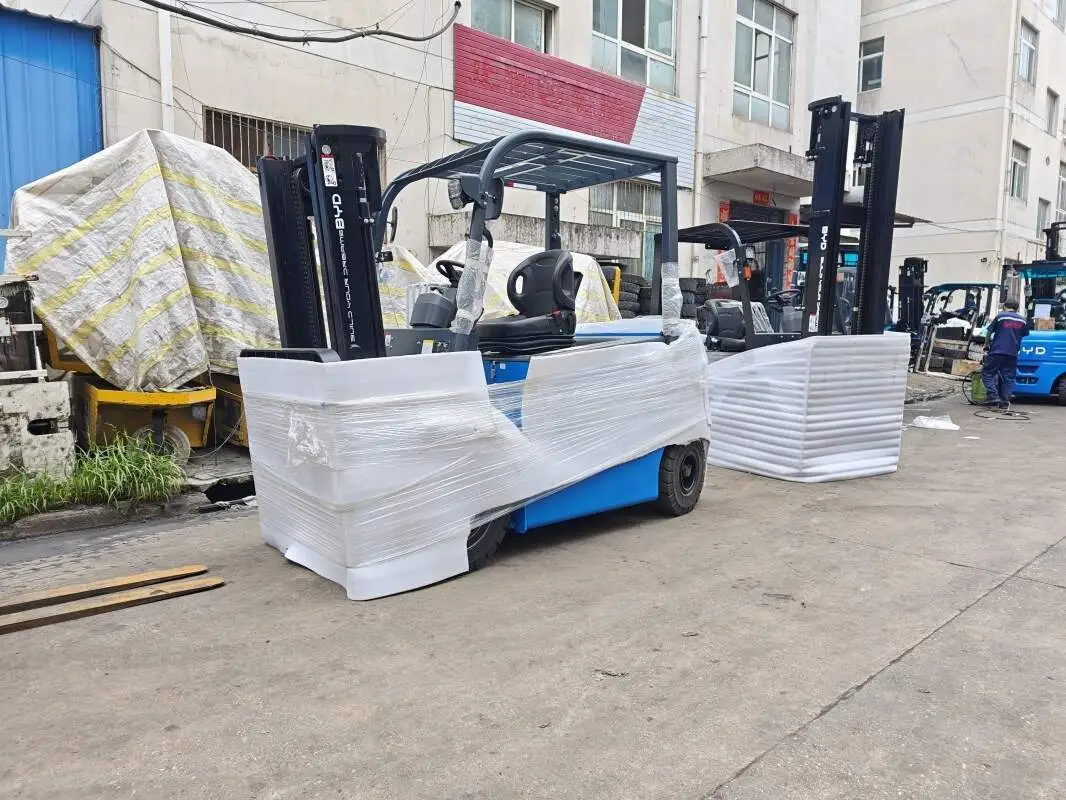
Short-term forklift equipment rental is a practical solution for businesses facing temporary material handling needs, such as peak season inventory management, warehouse relocations, or one-off construction projects. Understanding the cost structure of these services is essential to making informed decisions and staying within budget.
One of the primary factors impacting short-term forklift rental costs is the type of equipment. electric forklifts, favored for indoor use due to their zero-emission operation and low noise levels, generally carry a higher daily rental rate than internal combustion forklifts. This difference stems from their advanced battery technology and lower short-term maintenance requirements. Specialized models, such as reach trucks for high rack storage or rough-terrain forklifts for outdoor construction sites, will also command higher rates than standard counterbalance forklifts due to their specialized capabilities.
Rental duration is another critical cost driver. Daily rental rates are typically the most expensive per unit of time, while weekly and monthly rates often include volume discounts. For example, a standard forklift might cost $90 to $140 per day, but the weekly rate could be $350 to $600, offering significant savings for longer short-term rentals. Providers may also impose minimum rental periods, so it’s important to align the rental duration with actual needs to avoid unnecessary charges.
Additional services can add to the overall rental cost but may provide valuable convenience. On-site delivery and pickup, operator training sessions, and included maintenance plans are common add-ons. While these services increase the upfront cost, they can eliminate logistical hurdles and reduce the risk of equipment downtime. Businesses should evaluate whether these extras are necessary based on their in-house resources and project requirements.
Regional variations also affect rental pricing. Areas with high demand for material handling equipment, such as densely populated urban centers or industrial hubs, often have higher rental rates due to increased operating costs and competition for equipment. Rural areas, on the other hand, may offer more affordable rates but could have limited availability of specialized forklift models.
As a general cost reference, basic standard forklifts for short-term rental start at approximately $80 per day, with rates going up to $250 per day for specialized models. Weekly rates typically range from $300 to $700, depending on the equipment type and included services. To optimize costs, businesses should first conduct a thorough assessment of their material handling needs, including required lift capacity, operating environment, and rental duration. Comparing quotes from multiple local providers and inquiring about available discounts for extended rentals or repeat business can further help reduce expenses. Finally, ensuring proper use of the equipment by trained operators can prevent costly damage fees at the end of the rental period.