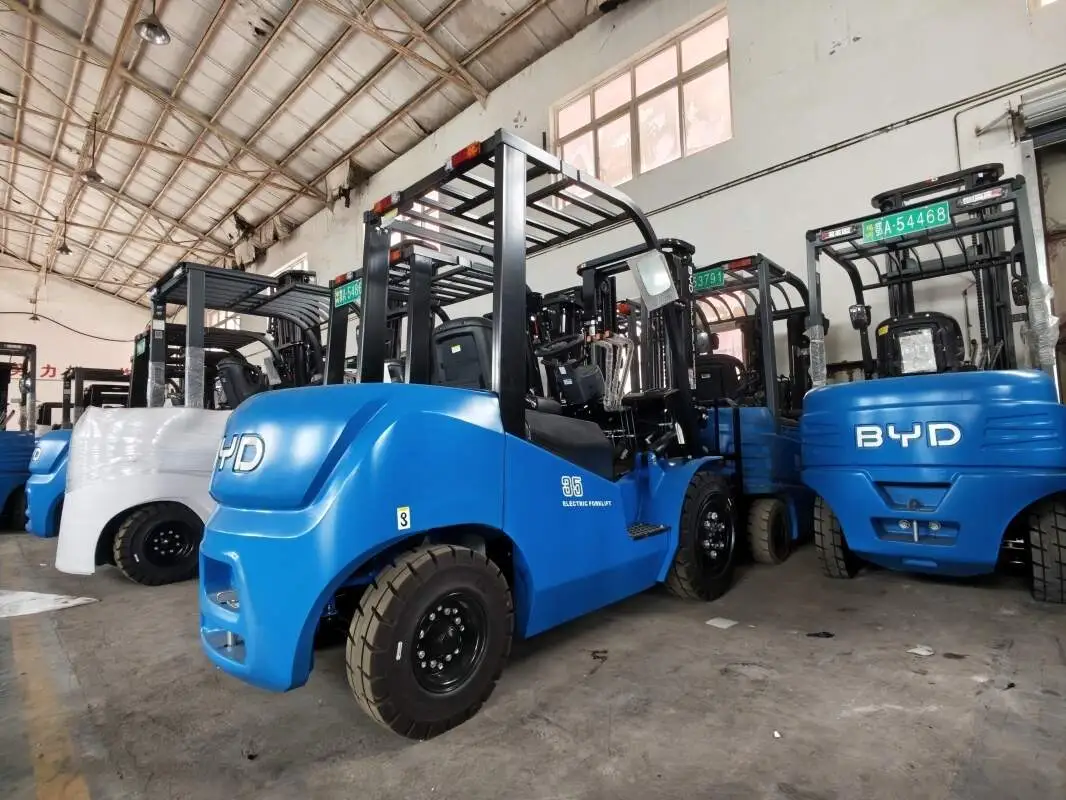
Reach forklifts are essential tools for optimizing warehouse operations, especially in spaces with narrow aisles and high storage racks. When sourcing these machines from local markets, a strategic approach ensures you select a unit that aligns with your operational requirements while delivering long-term value.
Start by assessing your specific operational needs before exploring local listings. Consider factors like the maximum load capacity required for daily tasks—this ranges from light-duty loads for small parts to heavy-duty capacities for palletized goods. Evaluate the height of your storage racks to determine the necessary lift height; mismatched lift height can limit your ability to utilize upper storage space effectively. Additionally, note your warehouse’s aisle width: narrow-aisle models are designed to maneuver through tight spaces, while standard reach forklifts work best in wider layouts. These initial assessments will narrow down your options and prevent investing in a forklift that doesn’t fit your workflow.
Next, research local market offerings thoroughly. Begin by identifying reputable local dealers or suppliers who specialize in material handling equipment. Look for providers with a track record of serving businesses in your industry, as they will have a better understanding of your unique needs. Inquire about the range of reach forklifts available for sale—ask about both new and pre-owned units, as pre-owned options can offer cost savings without compromising functionality if properly maintained. Check the availability of units to ensure you can get delivery within your required timeline, as delays can disrupt warehouse operations.
Once you’ve shortlisted potential units, conduct on-site inspections to evaluate their condition. For pre-owned forklifts, examine key components like tires, hydraulic systems, and battery health (if opting for electric models). Look for signs of excessive wear, such as cracked tires or leaking hydraulic fluid, which could indicate costly repairs down the line. Request a live operational test: observe how the forklift maneuvers through simulated narrow aisles, lifts loads to maximum height, and stops smoothly. This test will reveal any performance issues that aren’t visible during a static inspection. For new units, confirm that all features match the specifications outlined by the supplier and that the unit comes with proper documentation.
Don’t overlook the importance of verifying after-sales support. A reliable local supplier should offer comprehensive after-sales services, including routine maintenance, emergency repair support, and access to replacement parts. Ask about warranty terms for new units and any extended service plans available for pre-owned forklifts. Knowing that you can get timely support locally will minimize downtime if the forklift encounters issues. Additionally, inquire about training services for your staff, as proper operation reduces the risk of accidents and extends the forklift’s lifespan.
Finally, negotiate terms transparently with your chosen supplier. Discuss pricing openly, and ask about any potential discounts for bulk purchases or long-term service contracts. Clarify delivery timelines and any additional costs, such as installation or training fees. Ensure all terms are documented in a written agreement to avoid misunderstandings later.
By following these sourcing steps, you can confidently select a reach forklift from local markets that meets your operational needs, fits your budget, and supports efficient warehouse operations for years to come.