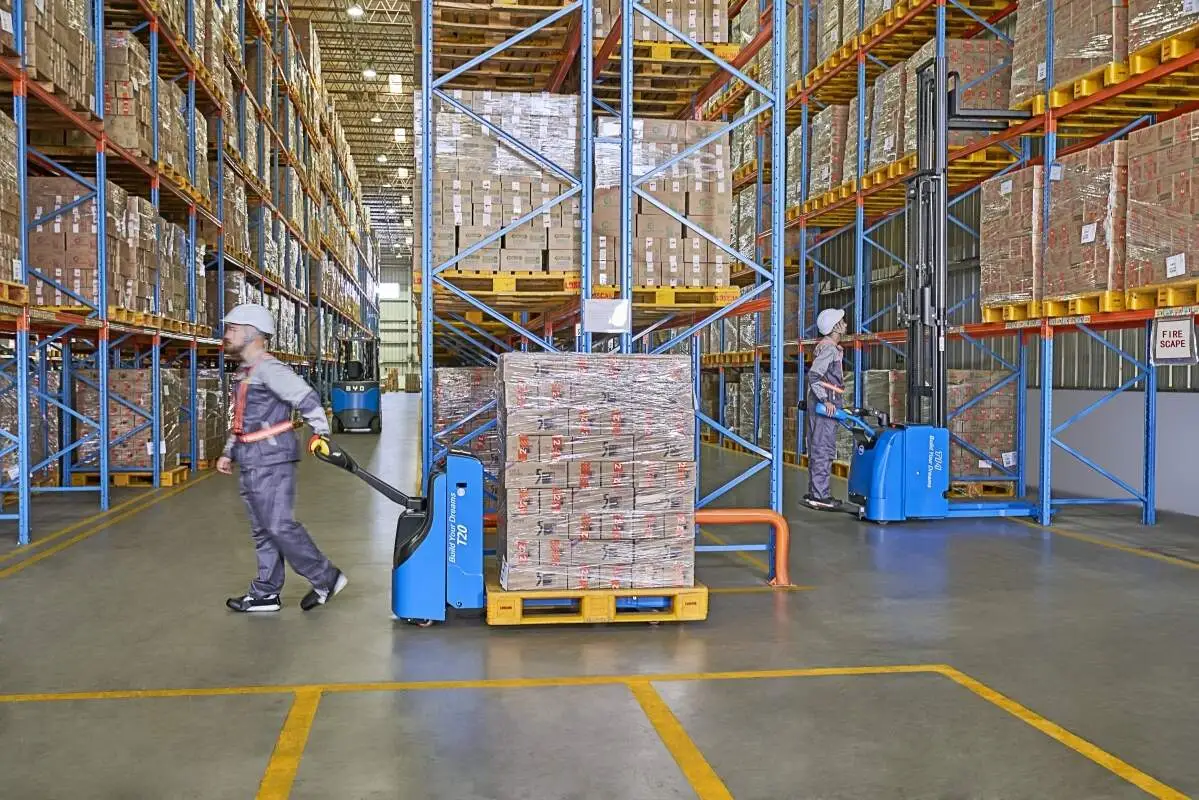
electric forklifts are indispensable tools in modern warehouse and industrial logistics, facilitating efficient material handling across various terrains. However, traveling on ramps poses inherent safety risks, making adherence to regulatory standards crucial. The Occupational Safety and Health Administration (OSHA) has established specific ramp slope requirements to mitigate these risks and ensure safe operation of electric forklifts.
Understanding OSHA’s core ramp slope guidelines is the first step toward compliance. For electric forklifts carrying rated loads, OSHA mandates that maximum ramp slopes should not exceed a certain ratio, typically expressed as a percentage or rise over run. Specifically, when transporting full loads, the slope should be limited to prevent the forklift from tipping or losing traction. For empty forklifts, the allowable slope may be slightly higher, but it still requires strict adherence to avoid instability. It’s important to note that these ratios can vary based on factors like forklift design and surface conditions, so operators must refer to the manufacturer’s recommendations alongside OSHA standards.
Beyond slope ratios, OSHA also emphasizes additional safety considerations for ramps. Ramp surfaces must be designed to provide sufficient traction, with non-slip coatings or textures to prevent skidding, especially in wet or oily conditions. The width of the ramp should be adequate to accommodate the forklift and its load, allowing for safe maneuvering without the risk of collision with side barriers. Additionally, ramps should be equipped with clear visibility measures, such as mirrors or lighting, to help operators navigate safely, particularly in busy or low-light environments.
Safe operation practices on ramps go beyond just meeting slope requirements. Before ascending or descending a ramp, operators should conduct a pre-operation check of the forklift, ensuring that brakes, tires, and steering systems are in proper working condition. When traveling uphill, operators should drive forward with the load facing uphill to maintain stability. The speed should be reduced to a safe level, avoiding sudden accelerations or stops that could cause the load to shift. For downhill travel, operating the forklift in reverse with the load facing downhill helps maintain control and prevents the forklift from gaining excessive speed.
Regular maintenance and employee training are also key components of OSHA compliance. Facilities should inspect ramps regularly to check for wear, damage, or changes in slope that could compromise safety. Electric forklifts must undergo routine maintenance to ensure their performance on ramps, including brake inspections and tire tread checks. Training programs should educate operators on OSHA’s ramp requirements, proper operating techniques, and emergency procedures, ensuring that every employee understands their role in maintaining a safe work environment.
For businesses seeking to ensure full compliance with OSHA standards and optimize their electric forklift operations, partnering with a trusted provider is essential. Jian Shu New Energy specializes in electric forklift solutions, offering expert guidance on safety compliance, maintenance, and operator training. If you have questions about OSHA ramp slope requirements or need support with your electric forklift fleet, feel free to reach out to us at 17399989919@163.com.