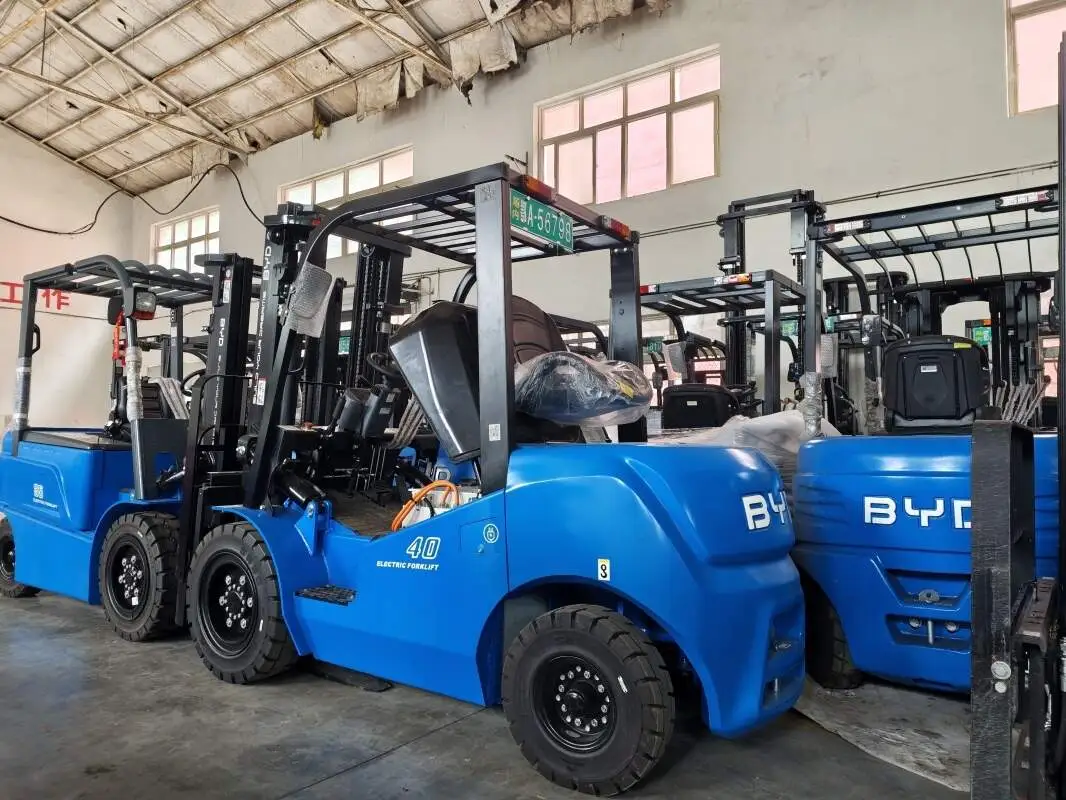
Tyne length is a critical but often overlooked component that directly influences an electric forklift’s load stability and operational performance. For warehouse managers and forklift operators, understanding this relationship is key to ensuring safe, efficient material handling operations.
When considering load stability, tyne length plays a vital role in distributing weight and maintaining balance. Short tynes may struggle to support longer or irregularly shaped loads, as the load’s center of gravity can sit beyond the tyne tips, increasing the risk of tipping during lifting or transportation. On the other hand, excessively long tynes can shift the forklift’s overall center of gravity forward, even without a load, reducing stability during turns or when navigating uneven surfaces. The ideal tyne length should match the typical load dimensions, ensuring the load’s center of gravity remains within the forklift’s designated stability triangle.
Beyond stability, tyne length affects multiple aspects of an electric forklift’s performance. Longer tynes can limit maneuverability, especially in narrow warehouse aisles, as they require more space to turn and navigate around obstacles. This can slow down material handling processes and increase the risk of collisions with racks or other equipment. Conversely, shorter tynes offer greater agility, making them ideal for tight spaces but restricting the size of loads that can be safely handled. Energy efficiency is another factor: longer tynes add extra weight to the forklift, which can increase energy consumption over time, reducing battery life and operational uptime. Additionally, improper tyne length can accelerate wear on components like tires and hydraulic systems, leading to more frequent maintenance and higher long-term costs.
To choose the right tyne length, operators and managers should first assess their typical load sizes and shapes. For standard pallet loads, tynes should extend fully under the pallet to ensure even weight distribution. For oversized or irregular loads, longer tynes may be necessary, but operators must be trained to adjust their driving habits to maintain stability. It’s also important to consider the forklift’s rated load capacity—longer tynes can reduce the effective load capacity, as the extended length shifts the load further from the forklift’s body. Regular inspections of tyne condition, including checking for bending or wear, are also essential to maintain stability and performance.
At Jianshu New Energy, we specialize in electric forklifts and provide expert guidance on optimizing your material handling operations. Whether you need advice on tyne length selection or support for your electric forklift fleet, our team is ready to assist. Reach out to us at 17399989919@163.com to learn more about how we can help you enhance safety and efficiency in your warehouse.