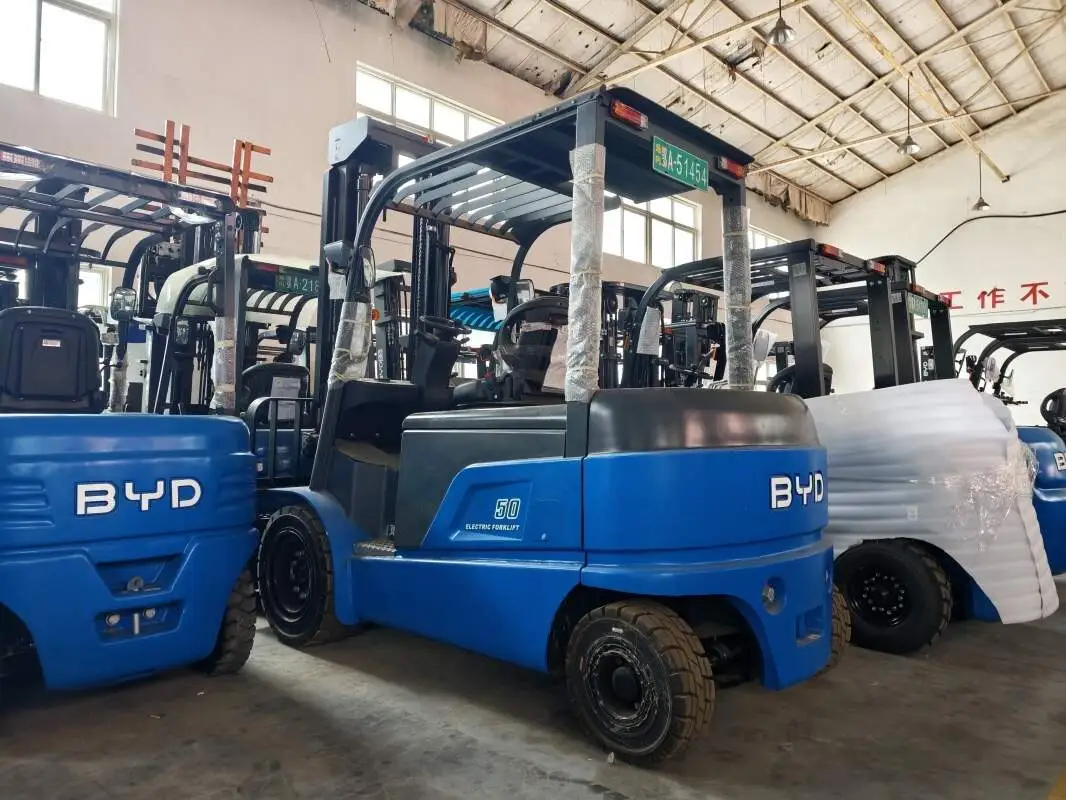
Pre-shift equipment condition verification is a critical routine for electric forklift operators, designed to mitigate safety risks, extend equipment lifespan, and ensure smooth daily operations. Overlooking these checks can lead to unexpected breakdowns, workplace accidents, or costly repairs. This guide outlines a systematic daily checking list to help operators thoroughly assess their electric forklifts before starting any tasks.
Start with a visual inspection of the forklift’s exterior. Check for visible damage to the body, frame, or mast, such as dents, cracks, or loose bolts and hinges. Inspect the tires for proper inflation, even tread wear, and cuts or punctures—underinflated or damaged tires can compromise stability during load handling. Also, examine the forks for bending, cracks, or excessive wear on the tip or heel, as compromised forks pose serious risks when lifting heavy loads.
Next, focus on the electric system, the core of an electric forklift. Verify that the battery is securely mounted in its compartment and check its fluid levels (for flooded batteries), ensuring they sit within the recommended range between the minimum and maximum markers. Inspect battery cables for fraying, corrosion, or loose connections, as damaged cables can cause power interruptions or electrical hazards. Turn on the forklift to test dashboard indicators: confirm that all warning lights, fuel or power gauges, and the horn are functioning correctly. A malfunctioning horn or warning light can reduce communication and visibility in busy work environments.
Proceed to test all operational controls before moving the forklift. Engage the parking brake firmly and test the accelerator, brake pedal, and steering wheel for smooth responsiveness. Ensure the lift and tilt controls operate without delays or unusual grinding noises, and that the forks move evenly when raised or lowered. Test the forward and reverse gears to confirm they engage properly, with no slipping or jerky movements. It’s also essential to check the seatbelt for fraying, tears, or broken buckles, as it serves as a vital safety barrier in case of sudden stops or tip-overs.
Once controls are verified, conduct a slow test drive in a designated safe area. Check the forklift’s acceleration and deceleration, ensuring the brakes bring the vehicle to a smooth, stable stop without pulling to one side. Listen for any unusual noises from the motor, transmission, or wheels, which could indicate underlying mechanical issues. If operating in low-light or indoor environments, test the headlights, tail lights, and turn signals to ensure visibility for both the operator and nearby workers.
Before handling any loads, inspect the load backrest extension and carriage for damage or misalignment. Ensure the fork positioner (if equipped) works correctly, allowing the forks to adjust width smoothly and lock securely into place. Test the lift mechanism by raising and lowering the forks a few times, checking for any vibrations or delays that might signal hydraulic system issues. This step ensures the forklift can safely handle its maximum recommended load capacity without failure.
In conclusion, a thorough pre-shift checking routine is essential for maintaining electric forklift safety and reliability. By following this daily checklist, operators can identify potential issues early, prevent accidents, and keep operations running efficiently. Regular adherence to these checks not only protects workers and equipment but also contributes to a safer, more productive workplace environment. Taking a few minutes to inspect the forklift before starting work can save hours of downtime and avoid costly incidents in the long run.